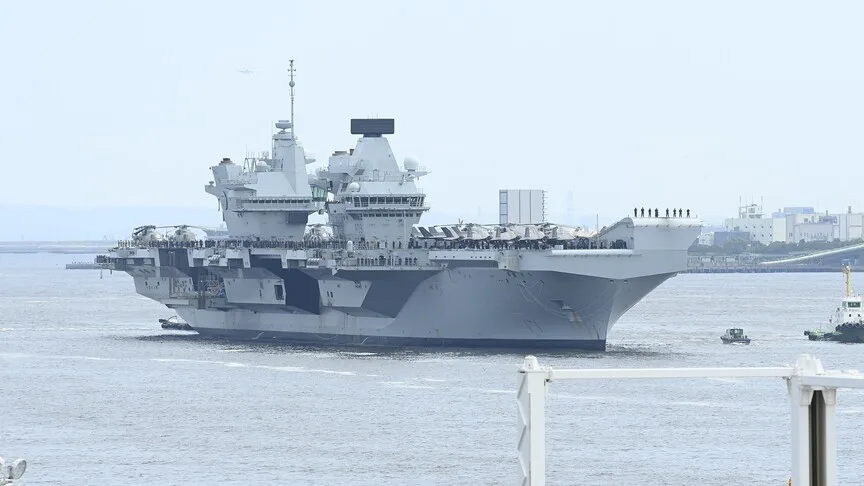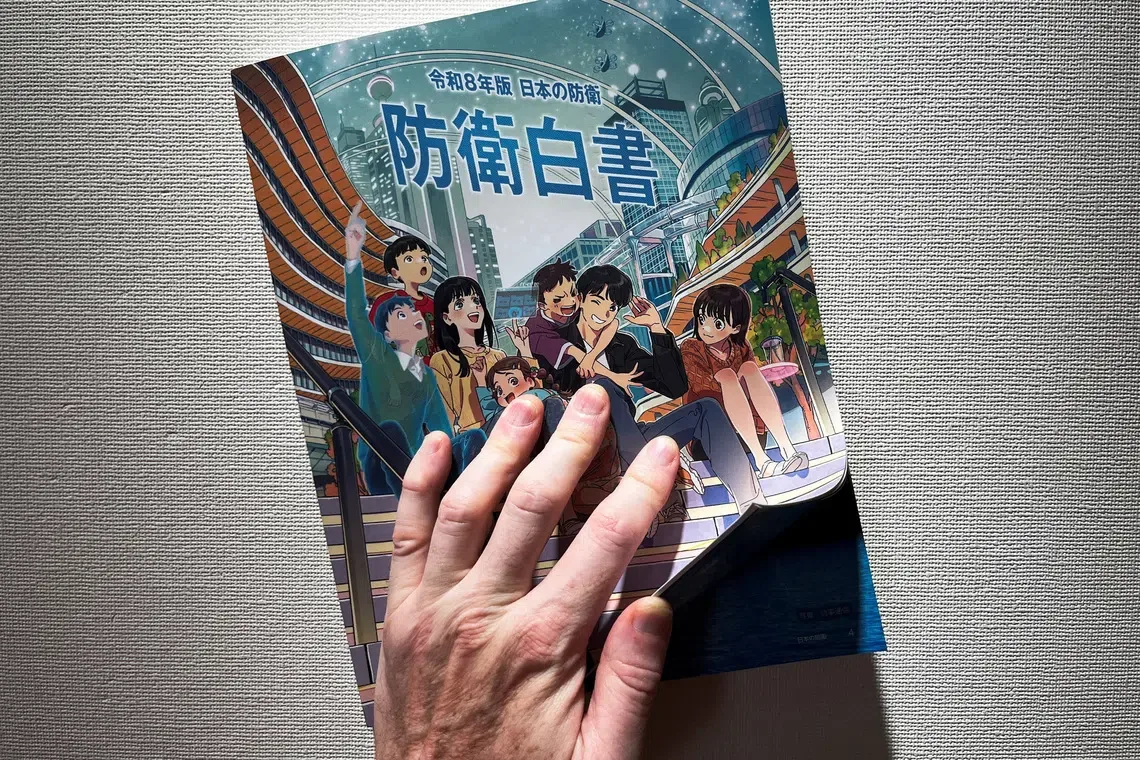
Japan released a 600-page defense white paper titled "Defense of Japan 2026" on August 4, describing China’s expanding military activities around Taiwan as an unprecedented strategic challenge and a serious security concern [1, 2, 3]. The paper highlights Chinese aircraft carrier operations in the Pacific and frequent close approaches of Chinese fighter jets to Japanese aircraft [1, 2, 3].
China’s Foreign Ministry and Defense Ministry strongly rejected the white paper the next day. They accused Japan of baseless accusations that exaggerate a "China threat" and interfere in China’s internal affairs, particularly on Taiwan. Chinese Foreign Ministry spokesperson Lin Jing said, "The white paper once again targeted China with baseless accusations, repeated the so-called 'China threat' narrative and grossly interfered in China's internal affairs by making brazen comments on Taiwan" [2]. Chinese Defense Ministry spokesperson Chen Xi added, "The paper is filled with false narratives, exaggerates the severity of crisis in the security environment surrounding Japan, and hypes up the so-called 'China threat'" [3].
China insists that Taiwan is an inalienable part of its territory and that resolving the Taiwan issue is strictly an internal matter with no foreign interference allowed [1, 2, 3]. It urged Japan to halt its military expansion and remilitarization efforts and warned Tokyo against continuing down the wrong path [1, 3].
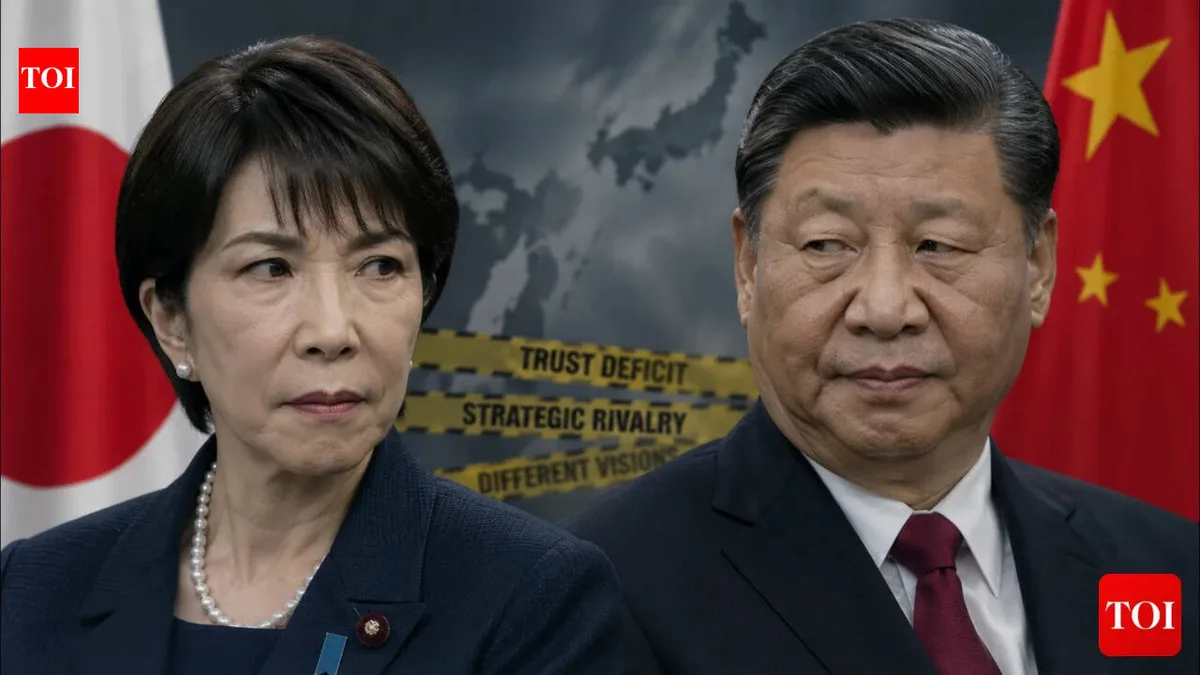
Tensions between the two countries have worsened since November 2025, when Japanese Prime Minister Sanae Takaichi said Japan’s Self-Defense Forces could be deployed if a Chinese attack on Taiwan threatened Japan’s survival [1, 2]. Japan views Taiwan’s security as linked to its own and the stability of the region.
Japanese Defense Minister Shinjiro Koizumi said the defense white paper aims to deepen public understanding of Japan’s defense posture and build resilience and cooperation with regional allies. He stated, "As the security environment rapidly intensifies, what is needed now is to enhance resilience to crises across the entire Indo-Pacific region" [2].
The governments officially exchanged protests one day after the paper’s release. China’s response framed Japan’s statements as provocative and unjustified interference, while Japan emphasized informing the public and allies about the evolving security environment.
Japan’s defense white paper remains central to diplomatic and security dialogue in East Asia. No further government meetings or statements on the white paper were announced as of August 13, 2026.