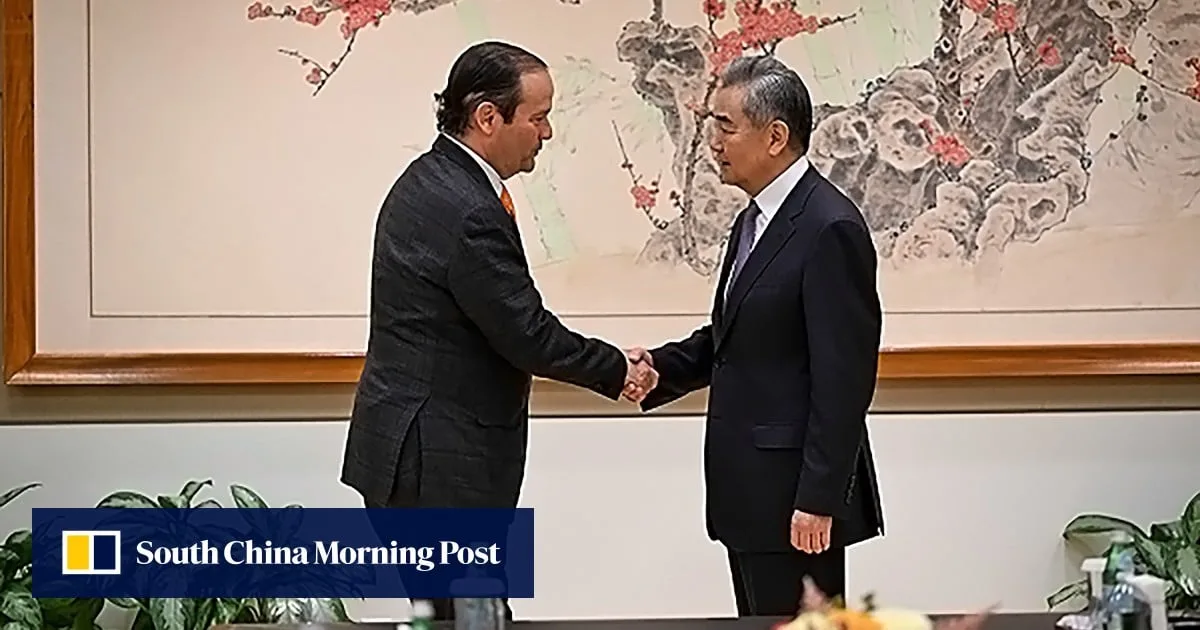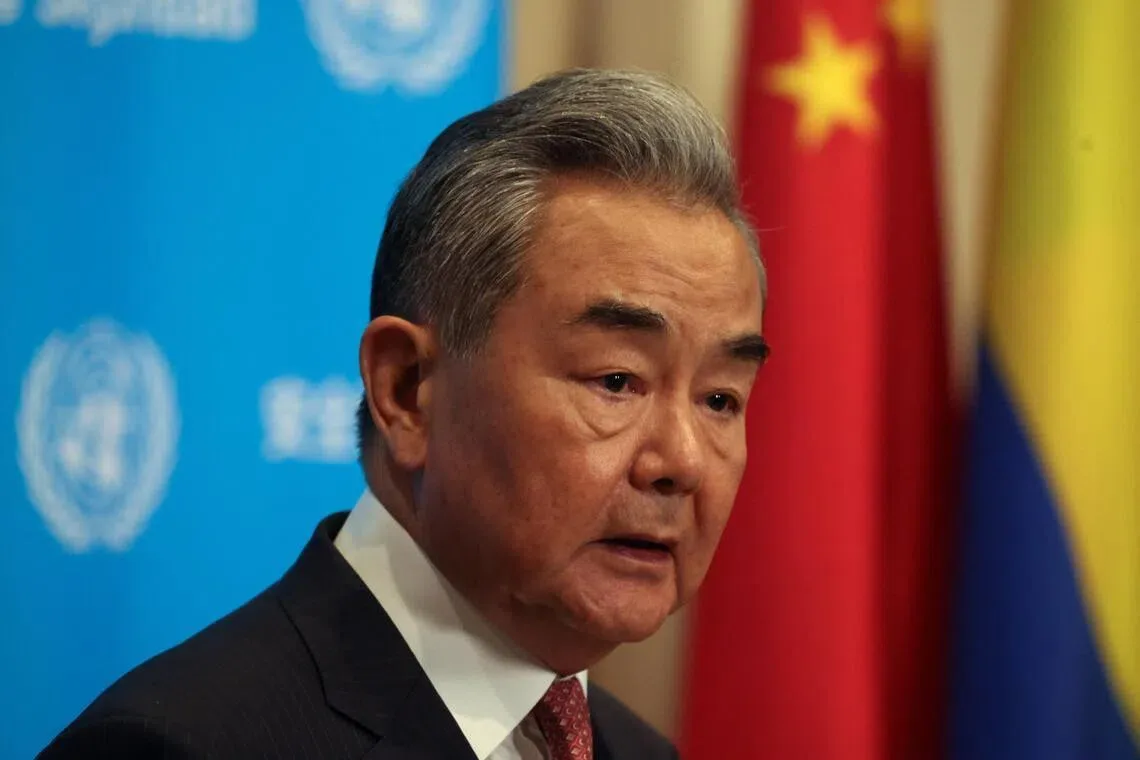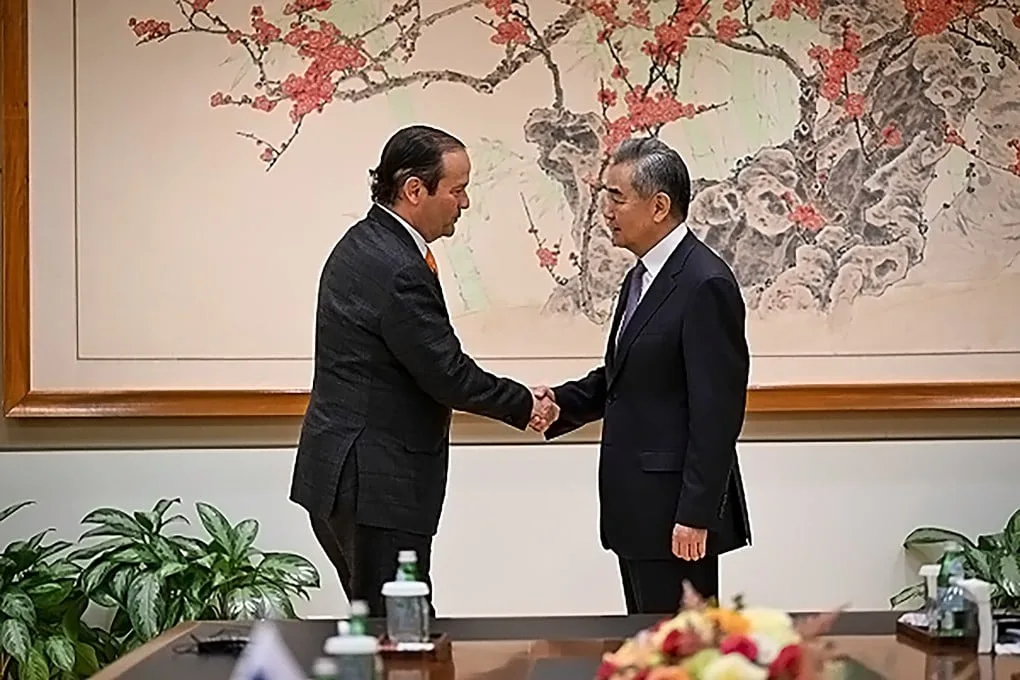
China’s Foreign Minister Wang Yi met Panamanian Foreign Minister Javier Martínez-Acha in New York during the UN Security Council meeting on August 15-16 to discuss bilateral relations and recent tensions over port operations near the Panama Canal [1, 2]. Wang stressed that China-Panama relations "are not directed against any third party and should not be interfered with by any third party," referring to US pressure aimed at limiting Chinese influence in the region [2].
The dispute centers on Panama’s Supreme Court ruling in late January 2026, which declared unconstitutional the legal framework for port concessions granted in 1997 and 2021 to Panama Ports Company, a subsidiary of Hong Kong-listed CK Hutchison, operating the Balboa and Cristobal terminals adjacent to the Canal [1]. The court’s decision effectively cancelled these concessions amid concerns over foreign involvement in critical infrastructure.
China and Hong Kong authorities condemned the Panamanian court ruling, calling it an act of bad faith and emphasizing the importance of honoring agreements [1]. CK Hutchison accused Panamanian authorities of unlawfully seizing its property and has launched an international arbitration claim seeking damages exceeding US$2 billion [1].
The port concession cancellations followed continued US diplomatic pressure on Panama to restrict Chinese control near the canal, which handles approximately 5% of global maritime trade [1]. Wang reaffirmed China’s willingness to deepen practical cooperation with Panama while calling for the elimination of external interference to ensure "healthy, stable bilateral relations" between the two countries [1, 2].
Panama’s decision challenges the management of key maritime gateways vital to global trade and triggers complex legal and diplomatic disputes. The arbitration initiated by CK Hutchison is ongoing and will be a significant next step in resolving ownership and operational control of the ports near the Panama Canal [1].