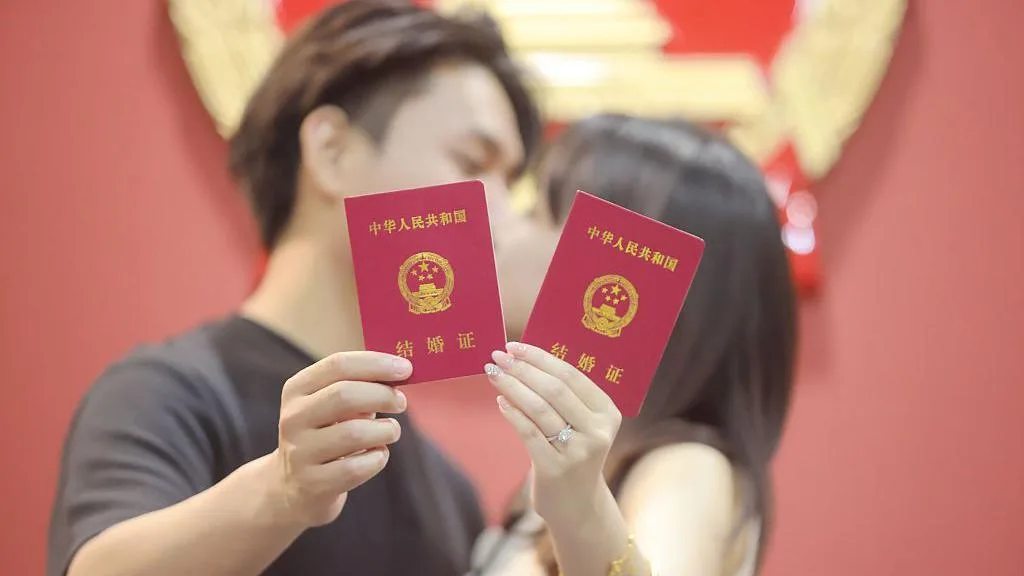
Wang Zhuang, a 37-year-old man from Hebei province, was defrauded by a matchmaking agency in Guiyang, Guizhou province after entering a rapid marriage scheme. The agency promised a one-stop "flash marriage" service targeting older single men, charging Wang tens of thousands of yuan within hours of introductions to several women [1, 2, 3].
Wang married a woman after only a few supervised in-person meetings. The agency forbade direct contact outside these meetings under threat of fines [2, 3]. After the wedding, Wang discovered his wife had lied about multiple key aspects of her background. She had been married three times before, had three children, worked previously as a karaoke hostess, suffered from a serious sexually transmitted disease, and carried significant debt [1, 2, 3].
Wang spent approximately 400,000 to 500,000 RMB on bride price, wedding, and related costs before realizing the fraud [2, 3]. He is currently fighting for a divorce but cannot regain his prior life until some of his losses are recovered. Wang suffers from insomnia and anxiety and faces difficulties at work. His parents blame him for the situation, adding to his distress. Wang has taken to social media videos to warn others about rapid marriage scams [1, 2, 3]. He described the impact as “我的整個家庭都陷入了混亂” (My whole family has fallen into chaos) and “我父母責怪我。我失眠、焦慮,無法專心工作。” (My parents blame me. I suffer insomnia, anxiety, and cannot concentrate at work) [2, 3].
China’s severe gender imbalance contributes to struggles faced by many men in smaller cities and rural areas. There are about 30 million more men than women nationwide due to decades of the one-child policy and cultural preference for boys [1, 2, 3]. Women’s high expectations including demands for high bride prices (彩礼) aggravate the issue [1, 2, 3].
The market for rapid or “flash” marriages expanded sharply over the past 2-3 years, especially in Guizhou, but has become rife with illegal practices and widespread fraud [2, 3]. Between January 2024 and March 2025, authorities prosecuted 1546 people related to crimes in the matchmaking industry across China [2, 3]. In one high-profile case, a matchmaking agency used karaoke hostesses to defraud 128 victims out of more than 2.5 million RMB (~371,000 USD) [2, 3]. A matchmaking agency representative in Guiyang said, “中国的闪婚市场规模非常大,而且实际上是在过去两三年才真正兴起的” (The flash marriage market in China is very large and only truly emerged in the last two or three years) [2].
In response to public concern, five government departments launched a nationwide special enforcement campaign targeting matchmaking fraud in August 2026 [2, 3]. Beijing Jingshi (Nanjing) Law Firm lawyer Fan Binghe called for targeted government regulations on flash marriage scams, saying, “我认为政府可以推出针对‘闪婚’诈骗的专项行业监管措施” (I think the government can introduce special industry regulation measures against 'flash marriage' fraud) [2].