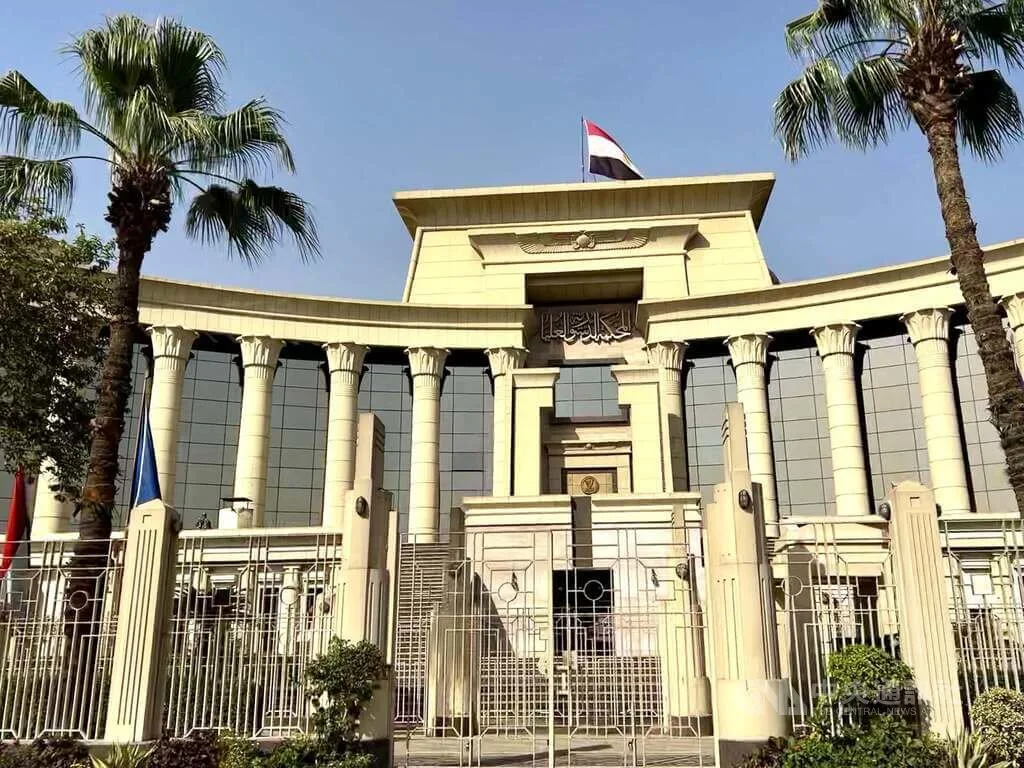
A Cairo court sentenced Sarah Khalifa, a 32-year-old Egyptian actress, and 12 other defendants to death on August 4 for their roles in one of Egypt's largest recent drug trafficking cases [1, 2, 3, 4, 5]. Khalifa and 27 others were arrested in April 2025 after police seized over 750 kilograms of drug precursors, drug production equipment, and large sums of cash [1, 2, 3, 4, 5].
The defendants were accused of forming a transnational criminal network that manufactured, transported, and distributed synthetic drugs [1, 2, 3, 4, 5]. Besides the 13 death sentences, the court handed down life imprisonment and long-term sentences to other defendants involved [1, 2, 3, 4, 5].
Sarah Khalifa is known in Egypt mainly for TV hosting, modeling, and a presence in entertainment and sports circles, with a significant social media following, though she is not a top-tier actress [1, 2, 3, 4, 5].
Egypt enforces a strict zero-tolerance policy toward drug offenses, regularly applying the death penalty for major drug trafficking and organized crime cases. In 2025 alone, Egyptian courts issued 492 death sentences and executed at least 23 inmates, several related to drug crimes, according to Amnesty International [1, 2, 3, 4, 5].
Khalid, a practicing Egyptian lawyer, noted that the case "again reflects Egypt's zero-tolerance policy on drug crimes and the important role the death penalty plays in the country’s judicial system." He added that due to Khalifa’s public profile and the case's scale, "if the death sentences are upheld, this would be one of the most high-profile entertainment industry criminal cases in recent Egyptian history" [1].
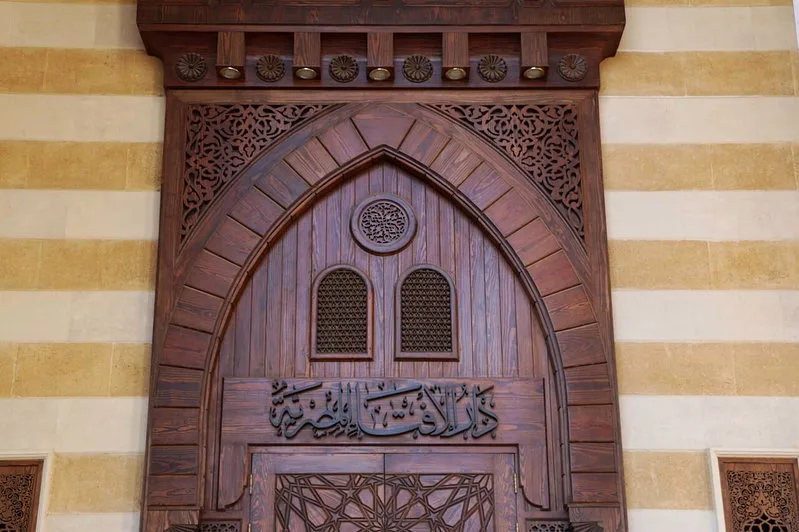
The death sentences are now pending review by Egypt’s Grand Mufti, the highest religious authority, who is expected to issue a legal and religious opinion by September 5, 2026. Following the Mufti’s opinion, the defendants will have the right to appeal the verdicts [1, 2, 3, 4, 5].