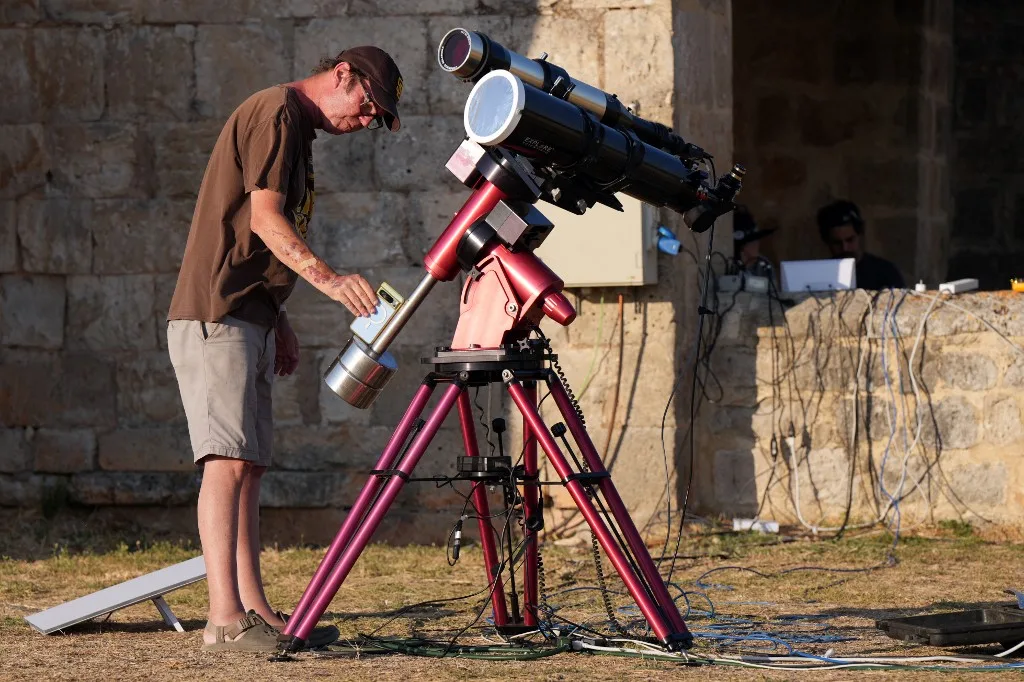
Europe experienced its first total solar eclipse since 2006 on August 12, 2026. Northern Spain lay in the path of totality, where darkness lasted less than two minutes before sunset, while many other European countries including Belgium, the UK, and others observed a partial eclipse [1, 2, 3, 4, 5, 6, 7, 8].
In Spain, more than 600 official eclipse observation sites attracted roughly 6 million visitors, particularly in northwestern towns like Benavente where accommodations sold out. Authorities deployed over 35,000 police and emergency personnel to maintain crowd control and public safety during the event [3, 5, 9, 10, 7]. Laura del Teso, a Benavente tourism official, said, "We receive 50 calls daily about lodging, viewing spots, and parking. There have never been so many foreign tourists" [3].
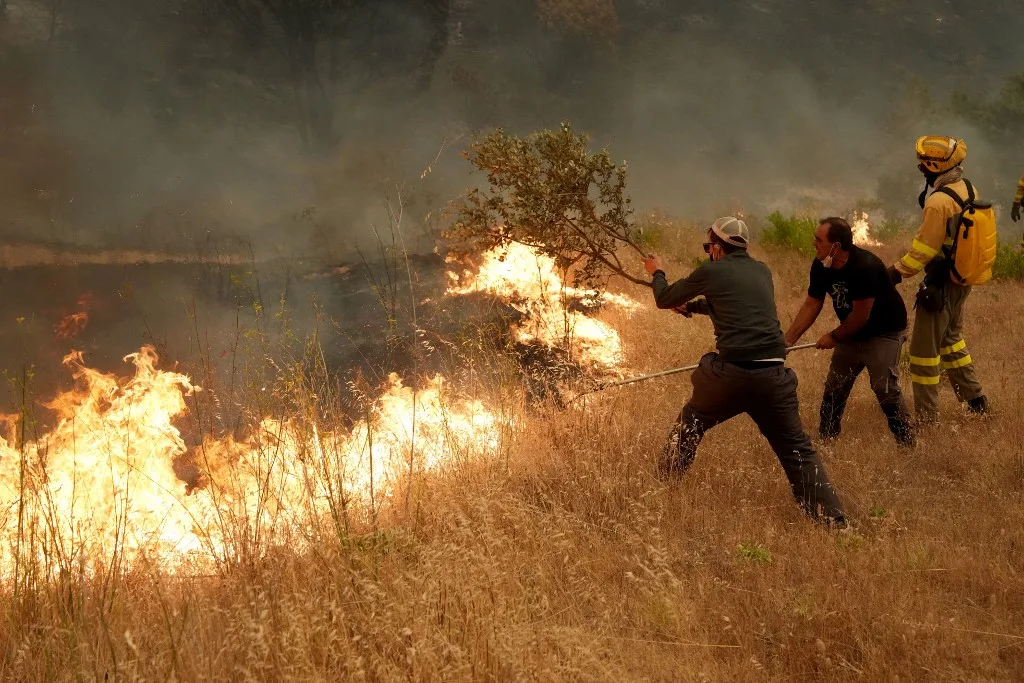
The Spanish government estimated a net economic gain of approximately €347 million from over 446,000 additional visitors, mainly benefiting depopulated rural northern regions [3, 5, 7]. Meanwhile, Spain faced extreme wildfire risks due to high temperatures reaching 40°C and an active fire season with 200,000 hectares burned so far. Authorities urged visitors not to park in unauthorized areas, avoid littering, and refrain from starting fires. Some towns canceled eclipse events amid the wildfire threat. A Spanish Interior Ministry official said, "Spain has endured a very difficult summer, and with large wildfires ongoing, we must regulate any activity that could spark flames" [9, 10].
Belgium, outside the path of totality, observed a partial eclipse lasting from 19:18 to 21:05 local time, peaking around 20:13. Demand surged for certified eclipse glasses compliant with ISO 12312-2:2015 standards to protect viewers' eyes, with many retailers selling out the week prior [1, 2, 4, 6].
The UK saw a partial eclipse with up to 95% solar obscuration in southwest England, the most significant since 1999 [8]. Scientists worldwide were excited by the rare event to study solar phenomena such as the corona and prominences. Chilean scientist Yasmin Catricheo said, "At the moment of totality, everyone cheered – the feeling is beyond words, the universe is truly incredible" [8].
The next solar eclipses visible in the region are forecast for August 2027 over southern Spain and northern Africa, followed by an annular eclipse over the Iberian Peninsula in 2028 [3, 5, 7].