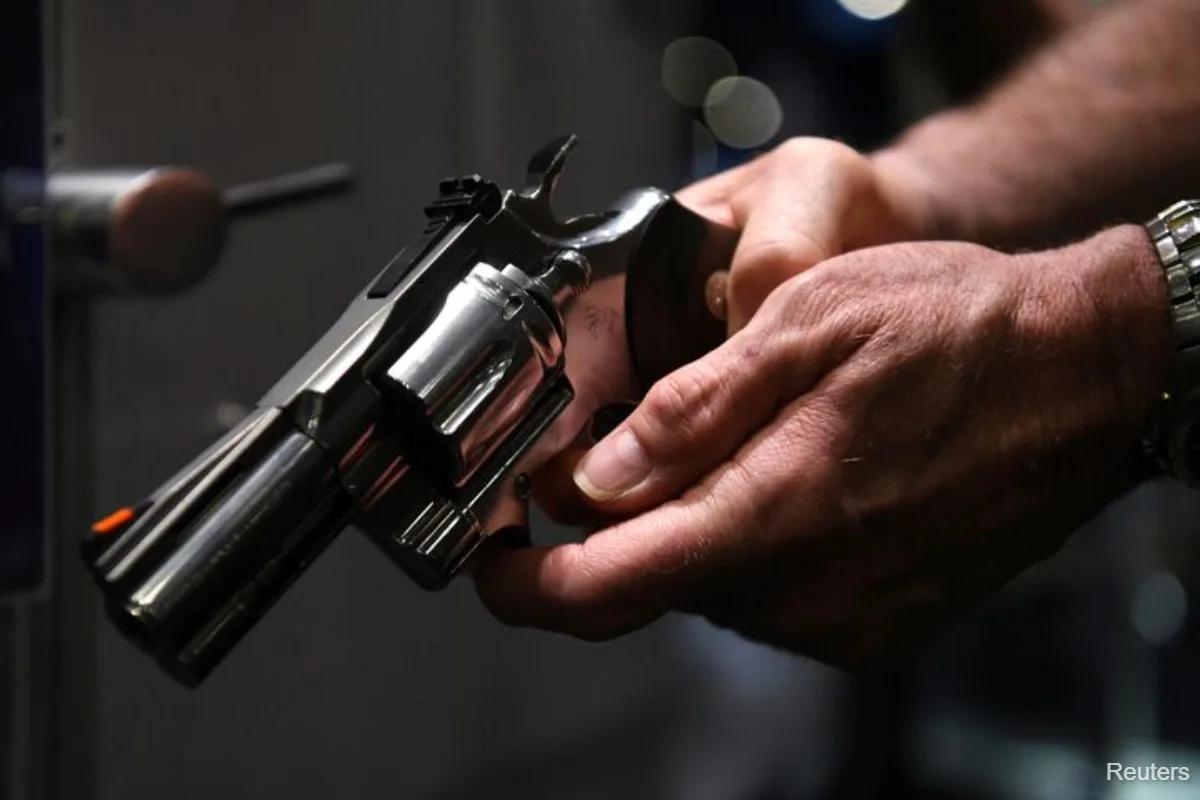
Former Thai lawmaker Chalong Riewraeng was arrested after shooting senior provincial official Thongchai Yenprasert outside a government office in Nonthaburi Province near Bangkok on August 10 around 11 a.m. local time [1, 2, 3, 4]. Yenprasert, chairman of the Nonthaburi Provincial Administrative Organization, died after CPR attempts and hospitalization, while his driver was wounded and sent to hospital for treatment, according to Major General Dejrapee Kongdee [5, 1, 3].
Riewraeng confessed that his motive was a personal dispute over an unpaid loan amounting to about 11 million baht [2, 3, 4]. He said he did not initially intend to shoot but fired after Yenprasert's driver pulled a gun on him. "I followed him to his car and hit his car's window, saying I want to talk. He said he will not talk, so I pulled my gun. I did not aim to shoot, but his driver pulled a gun and pointed it at me so I fired," Riewraeng told authorities [2].
The former lawmaker called a live TV news anchor to admit the shooting and was advised to stay at the scene to wait for police intervention [3, 4].
The killing comes days after a mass shooting on August 7 at Debsirin Nonthaburi School by a 14-year-old boy who killed 9 people and injured over 20 before shooting himself [5, 6, 1, 2, 7, 8, 3, 9, 10, 4]. Thai schools reopened on August 10 with heightened security measures, including metal detectors and safety checks [5, 6, 8, 3, 9, 10, 4].
Prime Minister Anutin Charnvirakul reaffirmed his administration's intent to strengthen gun control laws following the recent violence. "In the wake of the shooting, we intend to tighten gun control laws," he said [5].
Thailand has the highest rate of gun ownership in Southeast Asia, with about 15 guns per 100 residents according to a 2017 estimate [1, 2, 4]. Authorities are continuing investigations into the Nonthaburi shooting while schools operate under tightened security protocols.