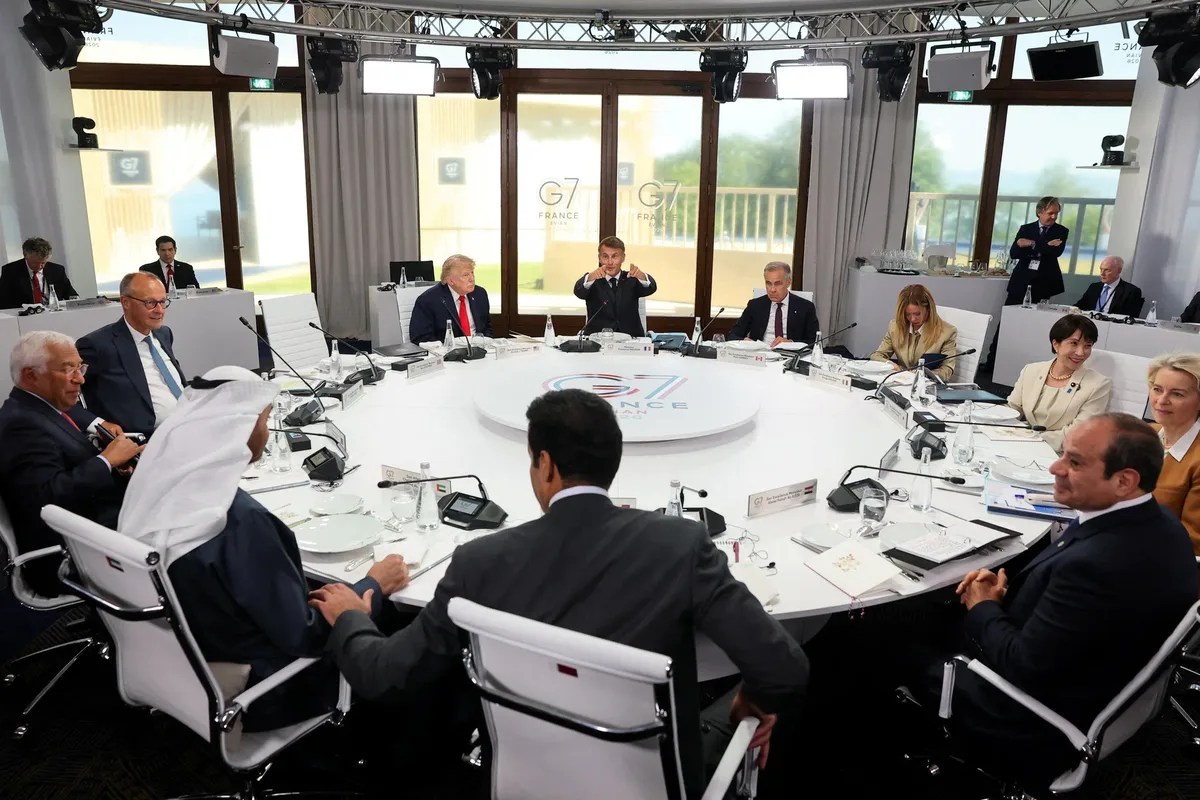
G7 leaders agreed on June 17, 2026, at their summit in Evian-les-Bains, France, to coordinate efforts to reduce reliance on China for critical minerals. They set a target to lower dependence on any single supplier outside the G7 and partner countries to below 60% by 2030, with a longer-term goal of reaching 50% as soon as possible [1, 2].
The decision followed China’s export curbs imposed in 2025 on permanent magnets made from rare earth elements. These measures disrupted supply chains in key energy, technology, and defense sectors worldwide and exposed Western dependence on Chinese-controlled sources [1, 2].
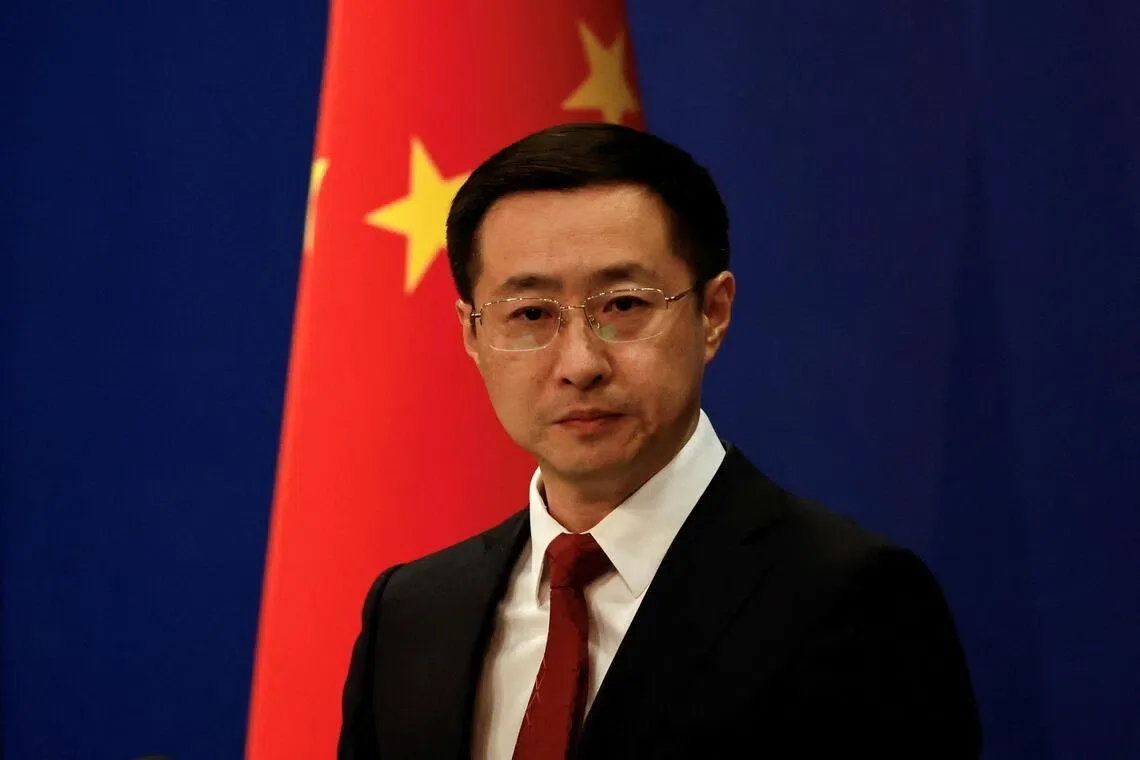
China defended its export control policies on critical minerals, with Foreign Ministry spokesman Lin Jian saying, "China’s efforts to standardise and improve its export control system are in line with international practices. The aim is to better safeguard world peace and regional stability and to fulfil international obligations related to non-proliferation." He also urged the G7 to stop "imposing rules of small cliques that undermine the international economic and trade order" [1].
Western nations are seeking to diversify critical mineral supply chains by increasing mining output, boosting processing capacity, and enhancing recycling efforts to reduce reliance on China [2]. The United States proposed forming a trading bloc for critical minerals earlier in 2026 to secure supplies and protect market interests, though some countries disagree on how it would operate, especially given U.S. "America First" trade policies [2].
France, as the G7 host, pushed for a strong statement on economic sovereignty involving price supports, subsidies, guaranteed purchases, and scaling private investment outside China. An unnamed French presidency official said, "We are negotiating texts that are significant on critical minerals and, as a consequence, on economic sovereignty" [2].
Following the summit, China’s Foreign Ministry reiterated on June 18 its defense of export controls and called for respect of international trade rules [1].
The G7’s supply reduction targets mark a coordinated effort to reshape critical mineral supply chains over the next decade in response to strategic vulnerabilities exposed by China’s 2025 export restrictions [1, 2].