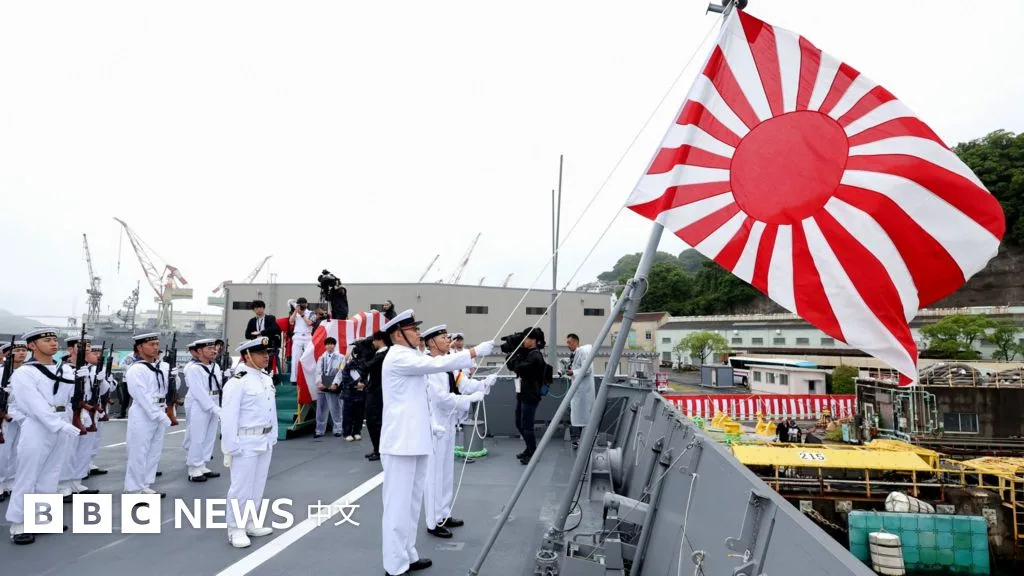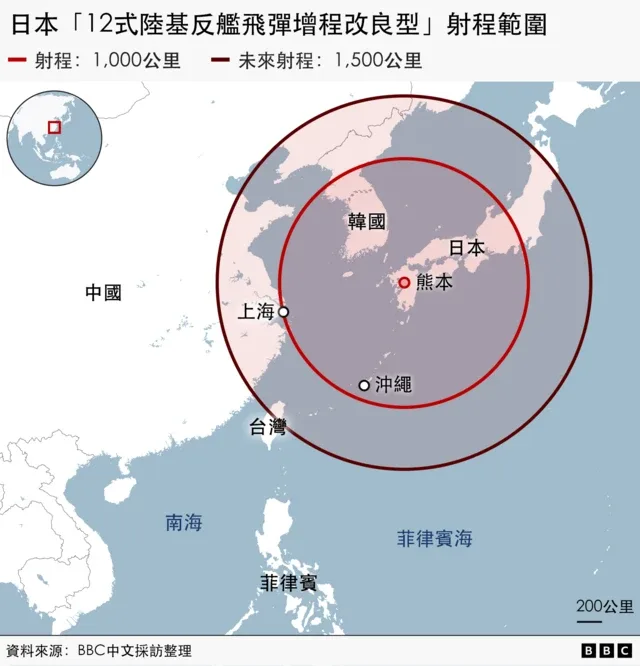
Japan’s Ministry of Defense published the 598-page 2026 Defense White Paper on August 4, marking its longest edition to date [1, 2]. The report identifies China as Japan’s "unprecedented biggest strategic challenge," citing China’s rapid military modernization and expanding naval and air operations near Japan, including in the Pacific Ocean [3, 1, 4, 5, 2, 6, 7, 8].
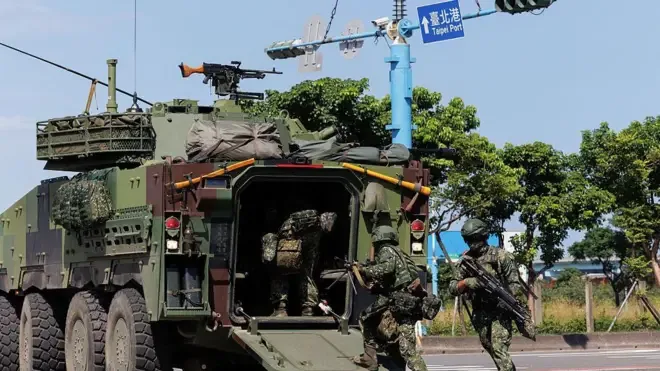
The White Paper expresses serious concern about China’s growing military activities around Taiwan. It describes these actions as increasing in scale, realism, frequency, and propaganda efforts, highlighting recent exercises such as "Strait Thunder 2025A" and "Justice Mission 2025" which involved simulated strikes, blockades, and coordinated coast guard law enforcement [3, 4, 5, 6, 9].
While previous editions linked Taiwan Strait stability directly to Japan’s national security, the 2026 paper removed that phrasing and now frames Taiwan as important to international stability instead [3, 4, 5]. However, Japan still considers Taiwan a "like-minded country" and partner for security cooperation [3].
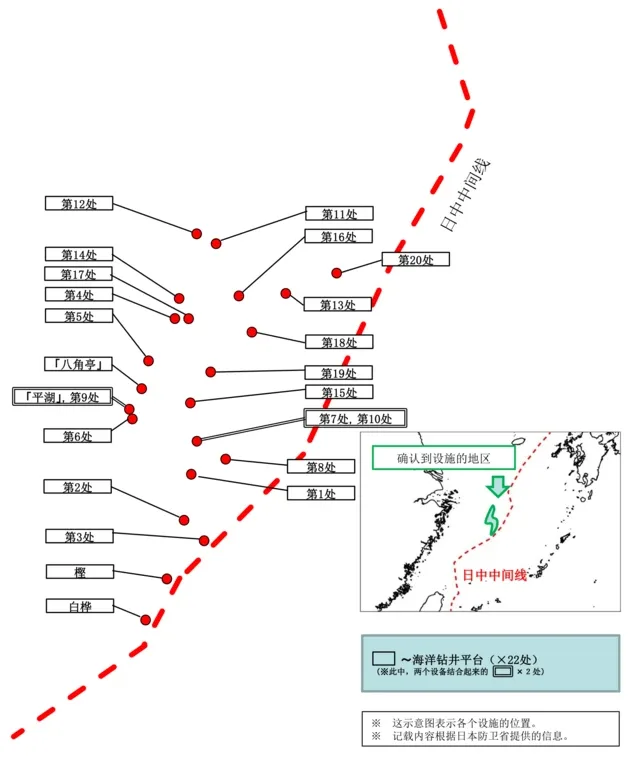
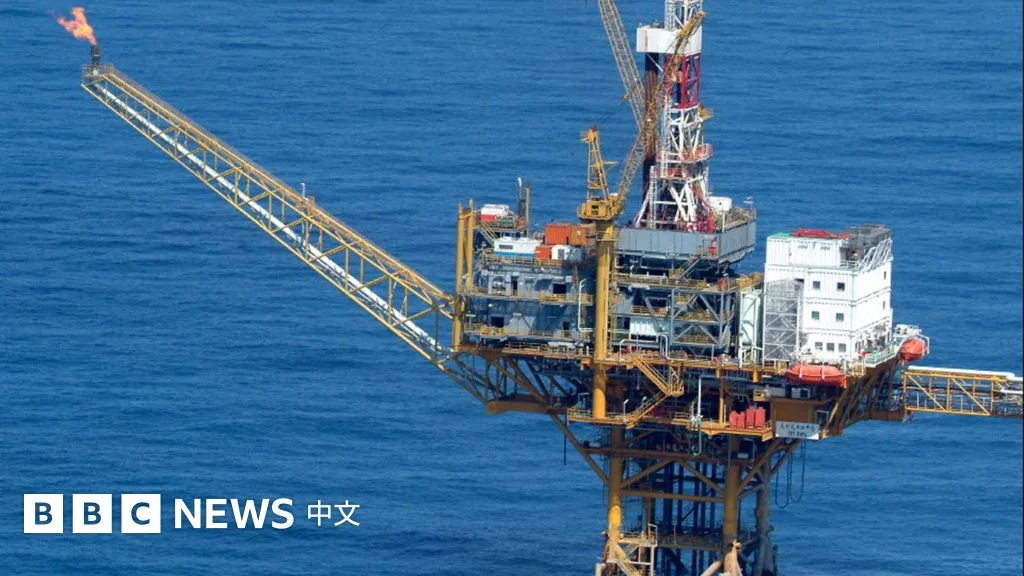
The White Paper also calls attention to China’s use of "gray zone" tactics. Japan accuses China of building 24 oil and fishery facilities west of the Japan-China median line in the East China Sea to gradually alter the status quo without triggering armed conflict [10]. Professor Chen Youhua of Japan International University said China is employing "salami slicing tactics to create a new status quo" in the East China Sea, Taiwan Strait, and South China Sea [10].
In July 2026, Japan reported that three Chinese naval vessels conducted joint exercises with a Russian warship, passing through the Tsushima Strait and nearly circumnavigating the Japanese archipelago [1, 11, 8].
Japan emphasized the importance of its alliance with the United States and the need to strengthen cooperation with like-minded countries to enhance deterrence capabilities. Defense Minister Koizumi Shinjiro said, "Japan’s alliance with the U.S. is unwavering. We will continue to strive to elevate the Japan-U.S. alliance to a new height" [10]. Koizumi also highlighted adapting defense posture to new battle forms involving AI and unmanned systems during the White Paper presentation [3, 4, 6, 7, 12].
The 2026 White Paper introduced a new chapter on "new forms of warfare," focusing on the increasing role of unmanned systems, artificial intelligence, and satellite technology [3, 2, 6, 7, 8]. Japan released animated videos in Japanese, English, and Chinese to explain its security challenges and defense policies, including these emerging technologies [12]. The Defense Ministry stated the White Paper "reflects the harshest and most complex security environment since World War II" and underscores the need to prepare for new warfare capabilities [12].
In response, China condemned the White Paper as "full of false narratives and hype about a 'China threat'—it is crying wolf to find an excuse to loosen its military constraints," according to Chinese Defense Ministry spokesperson Chen Xi [1, 6, 7]. China lodged a formal diplomatic protest on August 5 against the report for "malicious vilification" and interference in its domestic affairs [3, 1, 6, 7].
Japan plans to revise its National Security Strategy by the end of 2026, with expectations that defense spending will increase to better deter China’s actions toward Taiwan [2].