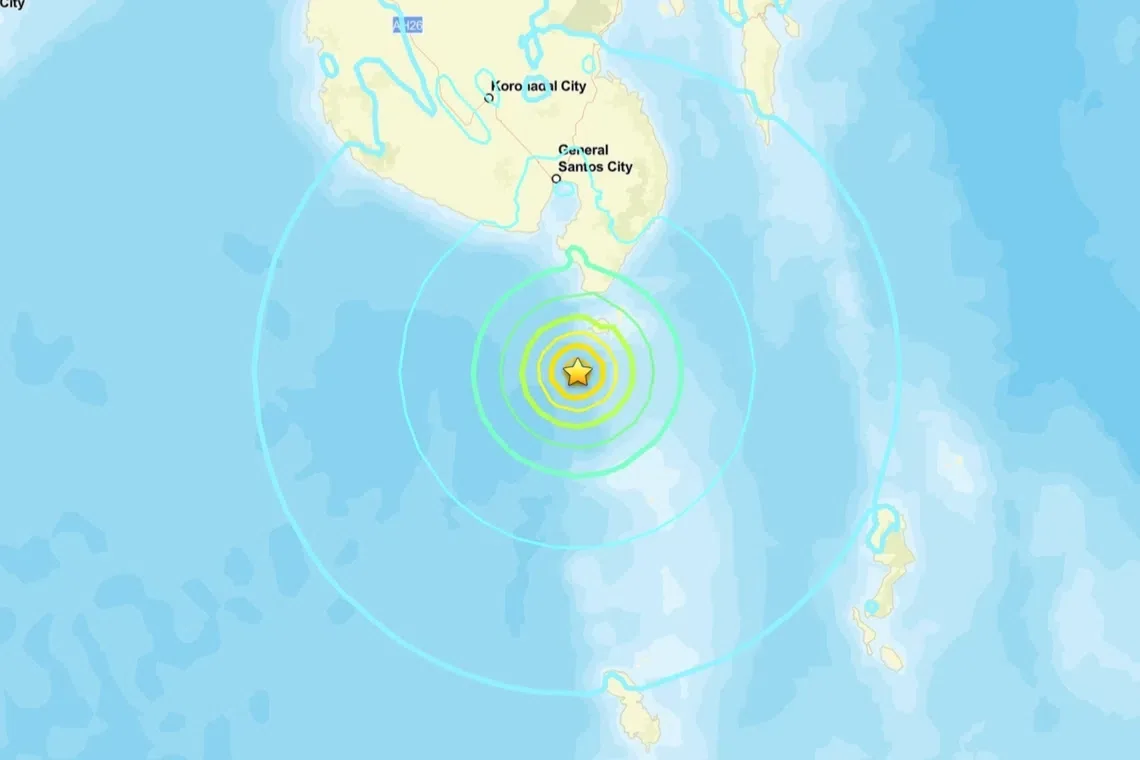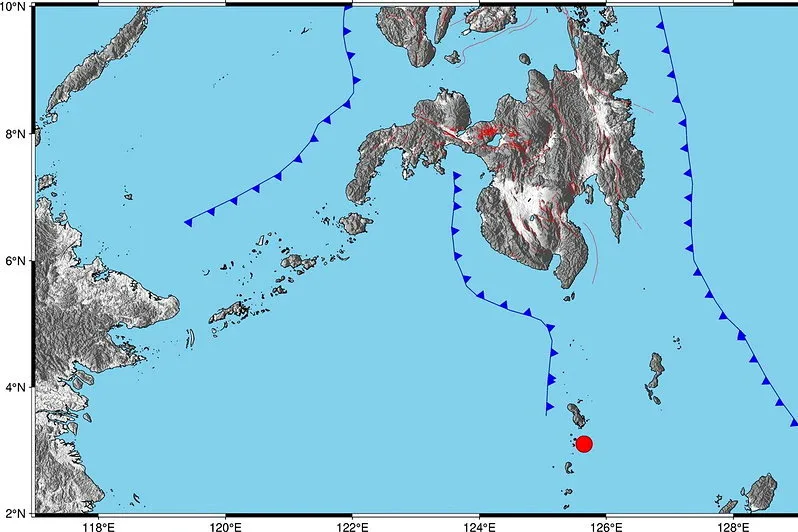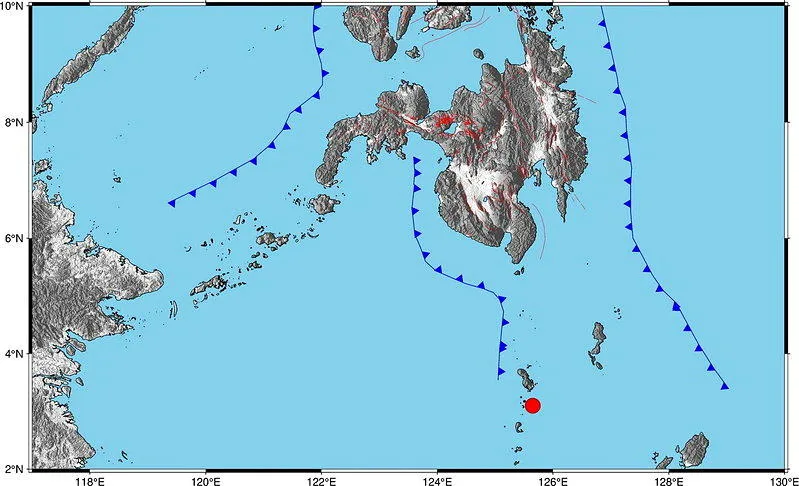
A magnitude 6.3 earthquake shook the southern Philippines near Sarangani Island at approximately 12:14 PM local time on August 5, 2026, with the epicenter about 32 kilometers southwest of the island in the Mindanao region [1, 2, 3, 4, 5, 6, 7, 8]. The quake was a shallow tectonic event, but estimates of its depth vary significantly among sources, ranging from 10 km up to 62 km [1, 9, 4, 10, 5, 6, 7, 8]. Immediately after the main shock, a smaller magnitude 5.2 earthquake struck roughly 10 minutes later near the same area [11, 12, 5, 7, 8]. Authorities confirmed no tsunami warnings or alerts were issued following either earthquake[s1-s12].
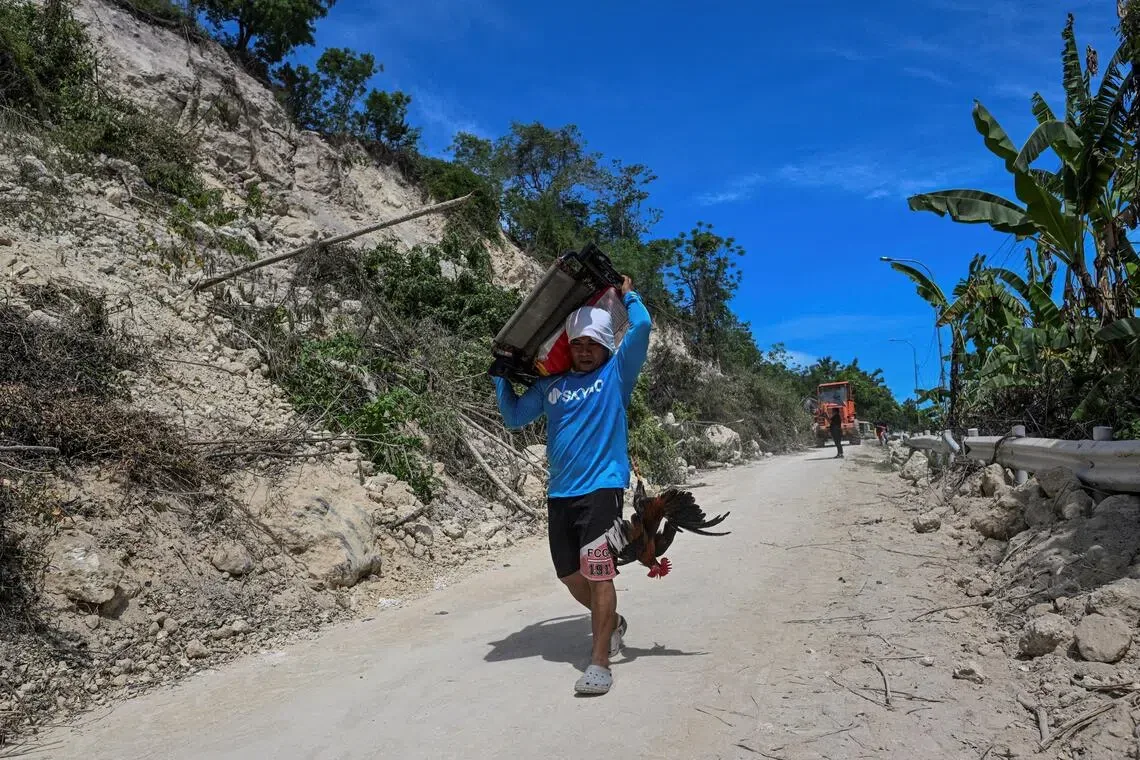
Residents gathered at a government subsidy distribution site near Sarangani Island felt strong shaking, prompting panic. Sarangani Island rescuer Harly Sauro said, "The shaking was quite strong. I saw people in panic. They were running and shouting. The earthquake came while the local government was giving a financial subsidy, so there were many people at the court, but everyone’s safe" [1]. Initial reports indicated no casualties or significant damage from the earthquakes have been confirmed[s1-s12].
This earthquake occurred less than two months after a much stronger 7.8 magnitude quake struck near Mindanao on June 8, killing at least 76 people and causing widespread destruction [1, 2, 9, 4, 5, 8]. The Philippine archipelago lies on the Pacific "Ring of Fire," known for its frequent seismic activity [1, 2, 4, 10]. According to the Philippine Institute of Volcanology and Seismology, "Based on available data, there is no destructive tsunami threat. This earthquake does not pose a tsunami threat to the Philippines, so the public need not evacuate immediately because of a tsunami" [9].
Officials continue monitoring the area for any aftershocks or developments. The latest information confirms the aftershock of magnitude 5.2 occurred about 10 minutes after the main 6.3 quake at a depth near 35 km [11, 12, 5, 7, 8]. Authorities have yet to report any further damage or casualties related to these seismic events.