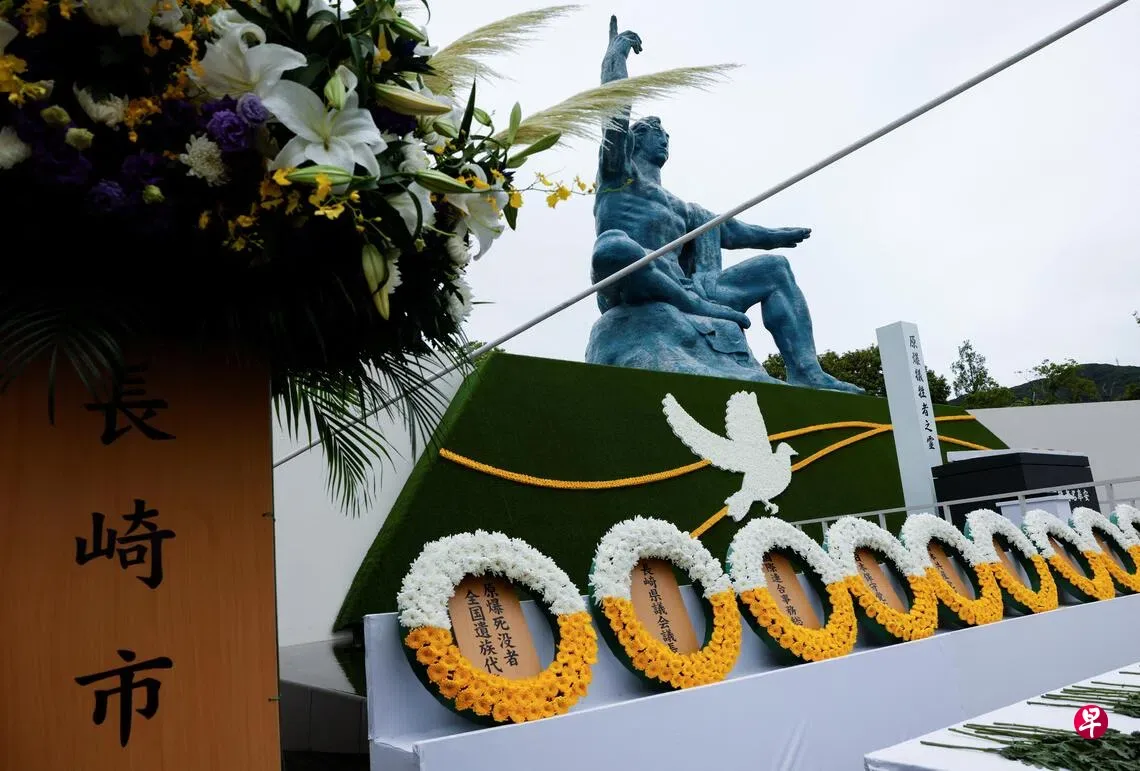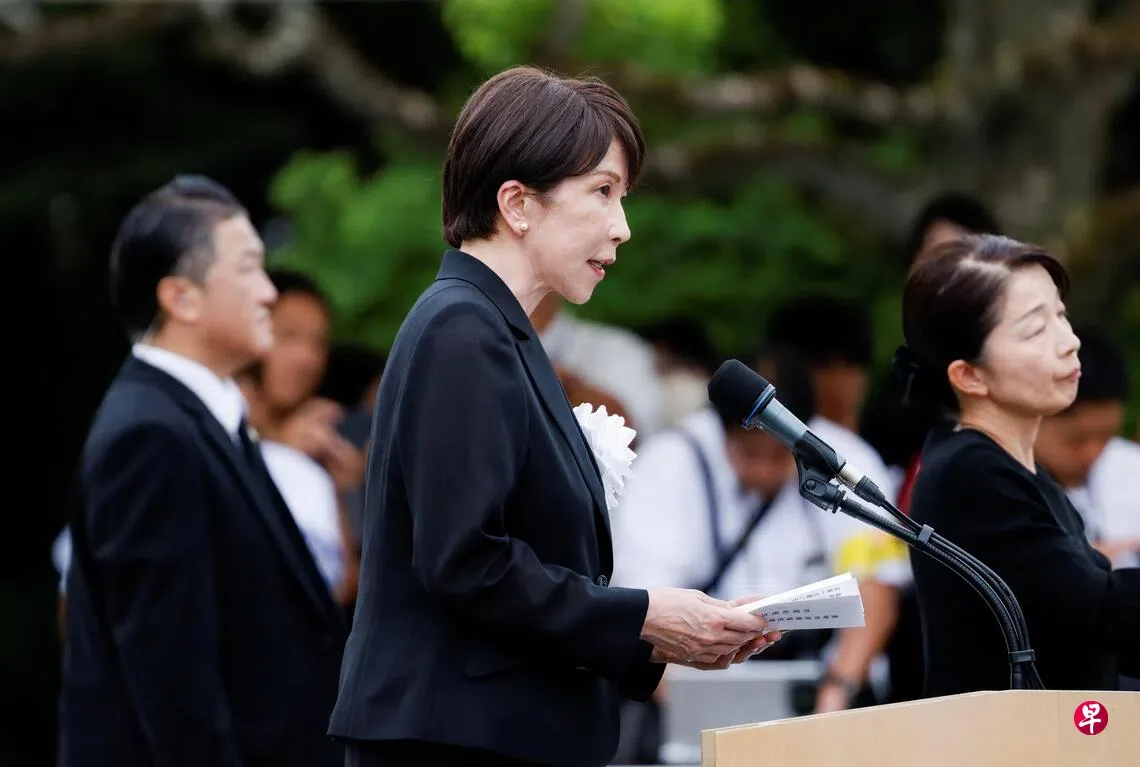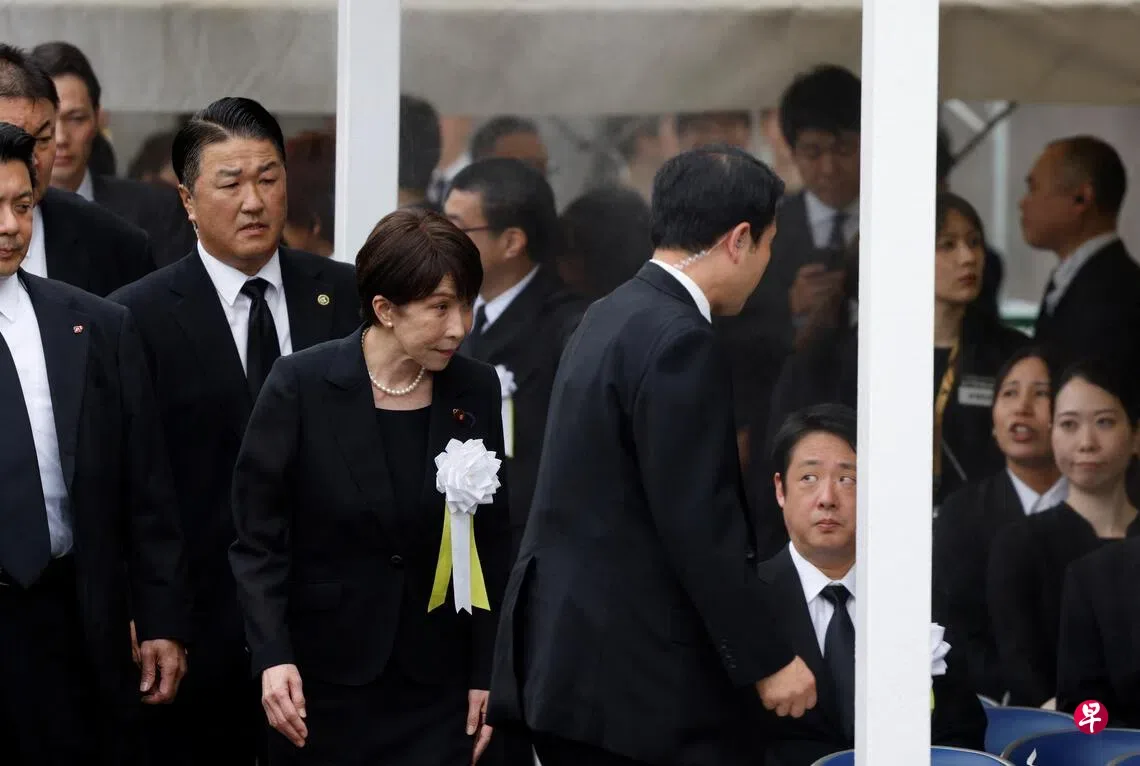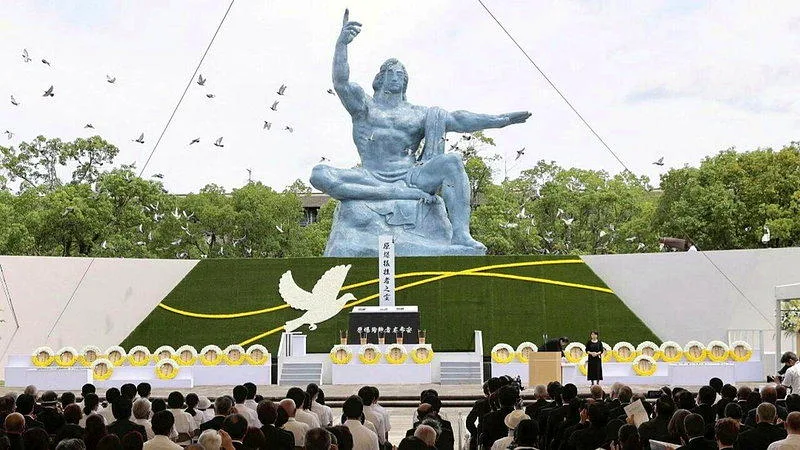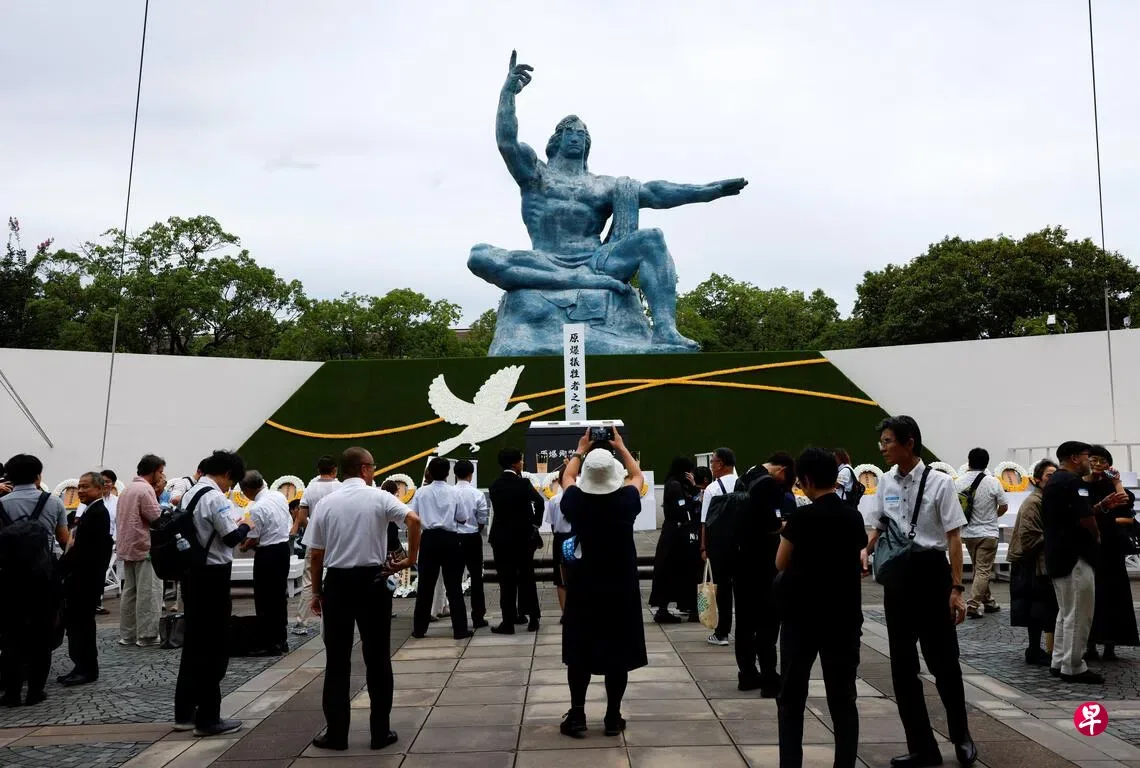
Nagasaki commemorated the 81st anniversary of the atomic bombing on August 9, 2026, hosting representatives from 98 countries including nuclear-armed states [1, 2]. Mayor Shiro Suzuki called nuclear weapons "absolute evil" that can never coexist with humanity, urging Japan to shift away from nuclear reliance in its security policies [1, 2].
Japanese Prime Minister Sanae Takaichi reiterated Japan’s commitment to the Three Non-Nuclear Principles but gave a vague response on possible policy shifts, drawing concern domestically [1, 2]. The Russian ambassador warned Japan against revising these principles, saying it could harm regional security and violate treaty obligations [1, 2].
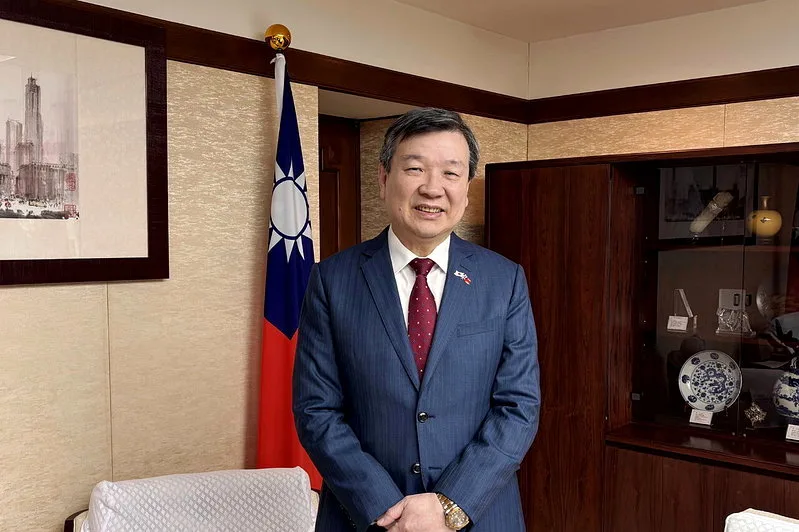
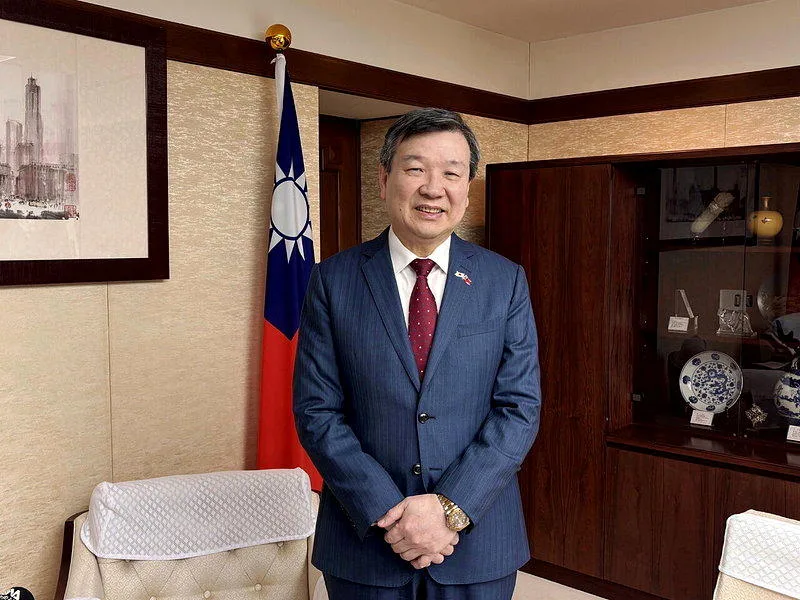
Taiwan’s participation became a diplomatic issue at the Nagasaki ceremony. Taiwan’s representative Lee I-yang declined to attend, protesting that Taiwan’s delegates were seated outside the diplomatic corps area in a separate "overseas guest" section [3, 4, 5, 6, 7, 8, 9, 10]. Taiwanese officials described the seating as a deliberate attempt to diminish Taiwan’s status, attributing the decision to pressure from China [3, 4, 5, 7, 10].
Nagasaki city officials explained that Taiwan was not formally invited because it lacks official diplomatic ties with Japan and UN membership but was permitted to join after requesting participation. They said seating Taiwan behind ambassadors reflected limited "special guest" seats rather than intent to slight Taiwan [11, 6, 8, 9].
Taiwan first participated in 2025, after requesting to attend, and accepted last year’s similar seating arrangement as a gesture of peace advocacy [4, 5, 9]. Taiwan’s representative pointed to close Taiwan-Japan ties through economic links like TSMC’s Kumamoto investment worth 23 trillion yen over 10 years, tourism with nearly 4 million Taiwanese visitors to Japan in early 2026, and disaster aid [4, 12].
This seating controversy marked a sharp contrast to the Hiroshima ceremony on August 6, 2026, where Taiwan’s representative was seated within the diplomatic corps area [2, 4, 7, 10]. Mayor Suzuki responded on August 10, affirming Taiwan as an important partner and expressing hope to improve Taiwan’s understanding of the seating decisions [11, 6, 8]. Taiwan reiterated its protest on August 12, criticizing Nagasaki’s approach as inconsistent with Taiwan’s status and its role in advocating peace [9].
The Nagasaki ceremony continues to draw international attention amid ongoing debates over nuclear disarmament and regional diplomacy. Japan’s government has not announced changes to its nuclear policy or future plans regarding Taiwan’s participation.