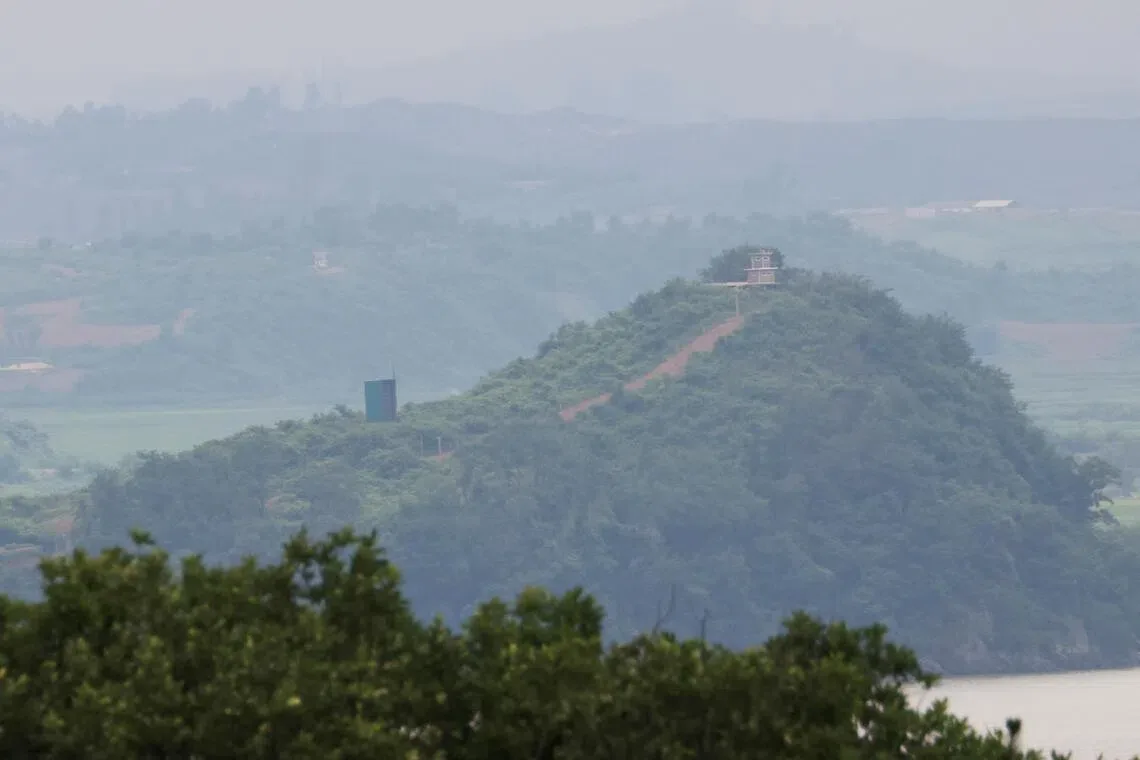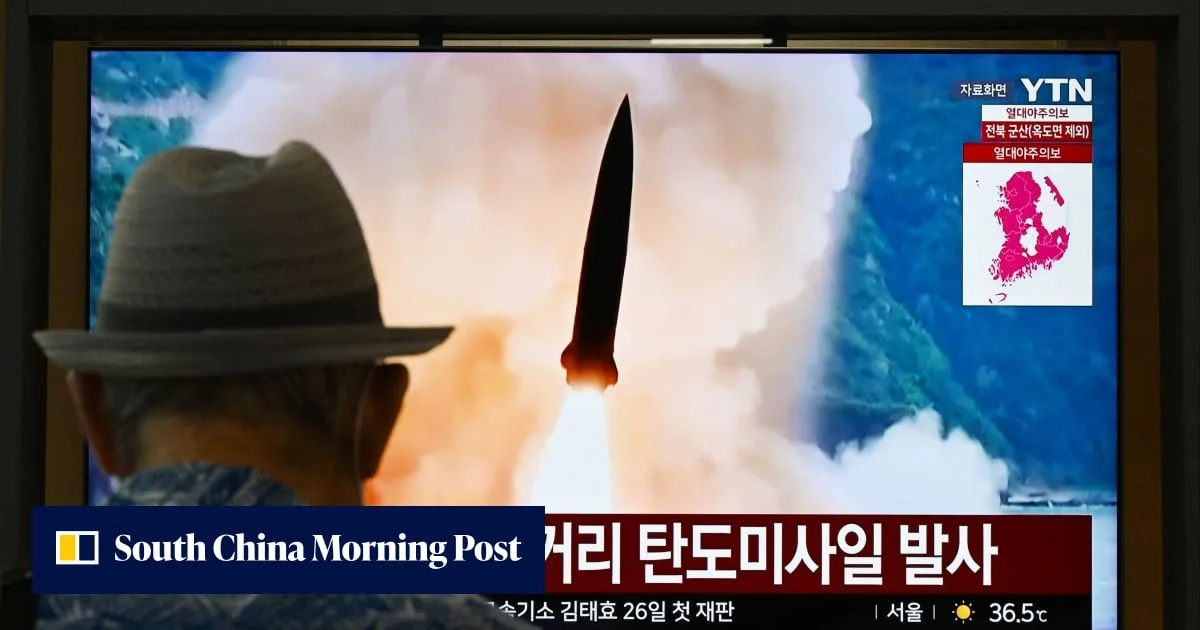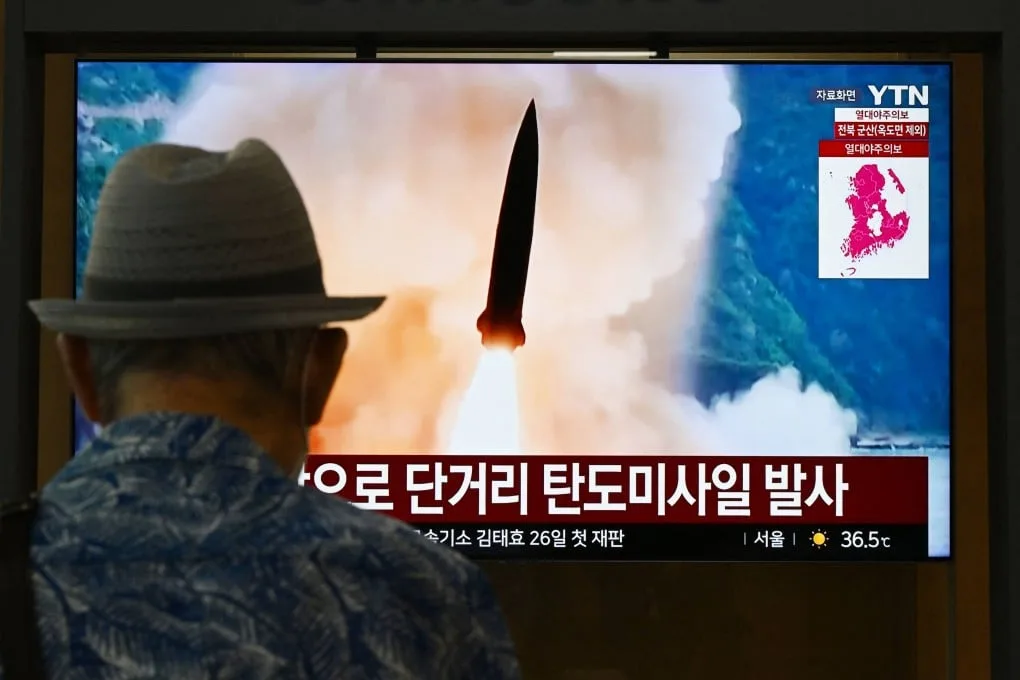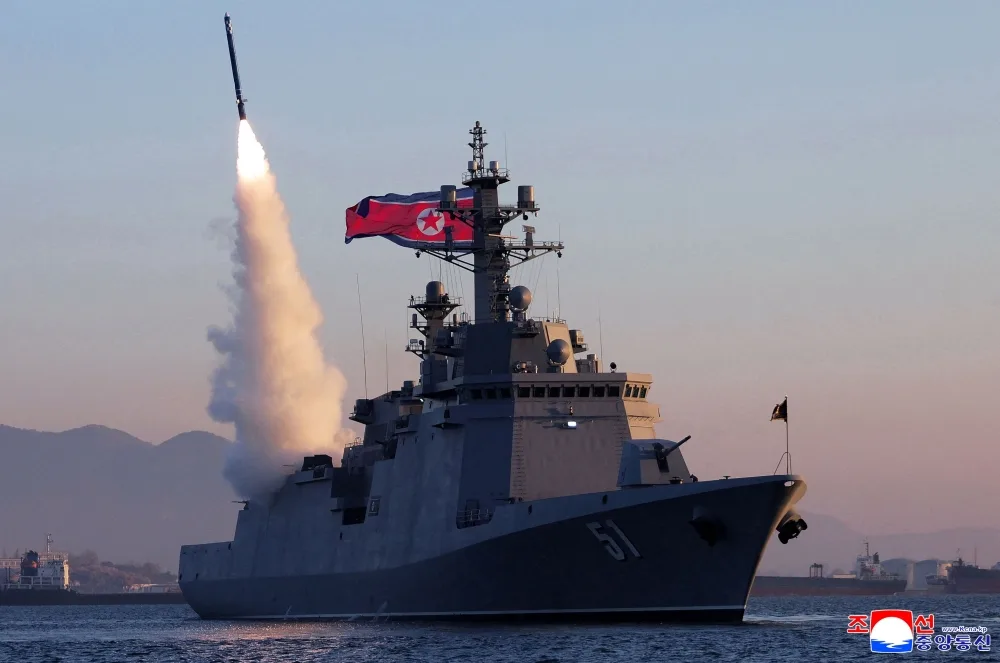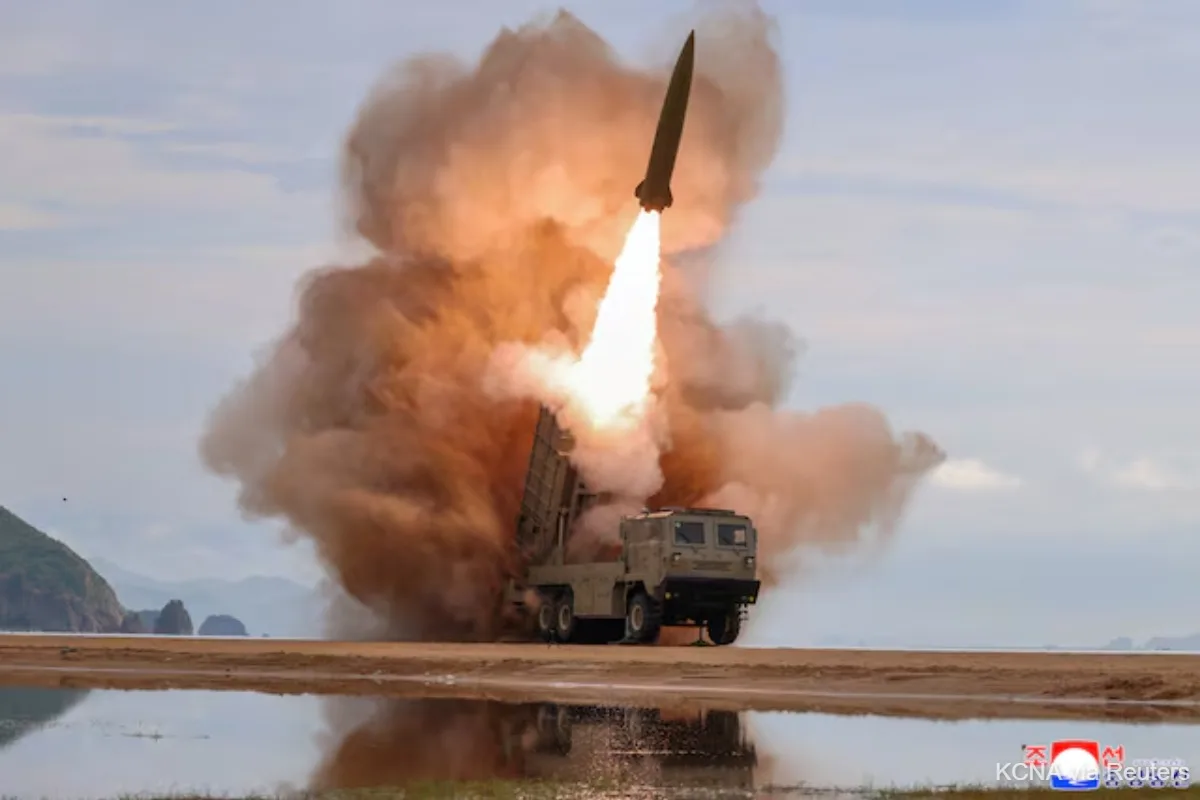
North Korea fired a ballistic missile toward the sea off its east coast from the Wonsan area around 6 a.m. local time on August 12, 2026 [1, 2, 3, 4, 5, 6, 7, 8]. The missile reportedly flew more than 700 kilometers (435 miles) before landing outside Japan's exclusive economic zone in the sea between the Korean Peninsula and Japan [1, 3, 6, 8]. This test was the second ballistic missile launch by North Korea in less than a week, following a launch on August 6, 2026 [2, 4, 6, 7, 8].
Japan's Defence Ministry confirmed the launch and its landing location. Japanese Defence Minister Shinjiro Koizumi said the launches violate UN Security Council resolutions and constitute a "serious problem that affects the safety of the Japanese people," adding they threaten peace and security in the region [3, 4, 6, 7]. Japan lodged a strong diplomatic protest with North Korea through its embassy in Beijing following the event [1, 6, 7, 8].
South Korea's military raised surveillance and maintained readiness, coordinating closely with US and Japanese forces [1, 4, 6, 7, 8]. South Korea’s National Security Council condemned the missile tests as "acts of provocation" that violate UN resolutions [6, 7, 8]. The US Pacific Command said it was monitoring the launch and consulting with allies, stating it does not pose an immediate threat to US personnel or territory [8].
The exact missile type was not confirmed, though South Korea described it generally as ballistic and is analyzing further details [2, 7]. Some analysts speculated it could be hypersonic or submarine-launched based on range and launch site, though this remains unconfirmed [2]. The missile reportedly reached a maximum altitude of about 90 kilometers, according to Japanese officials [6].
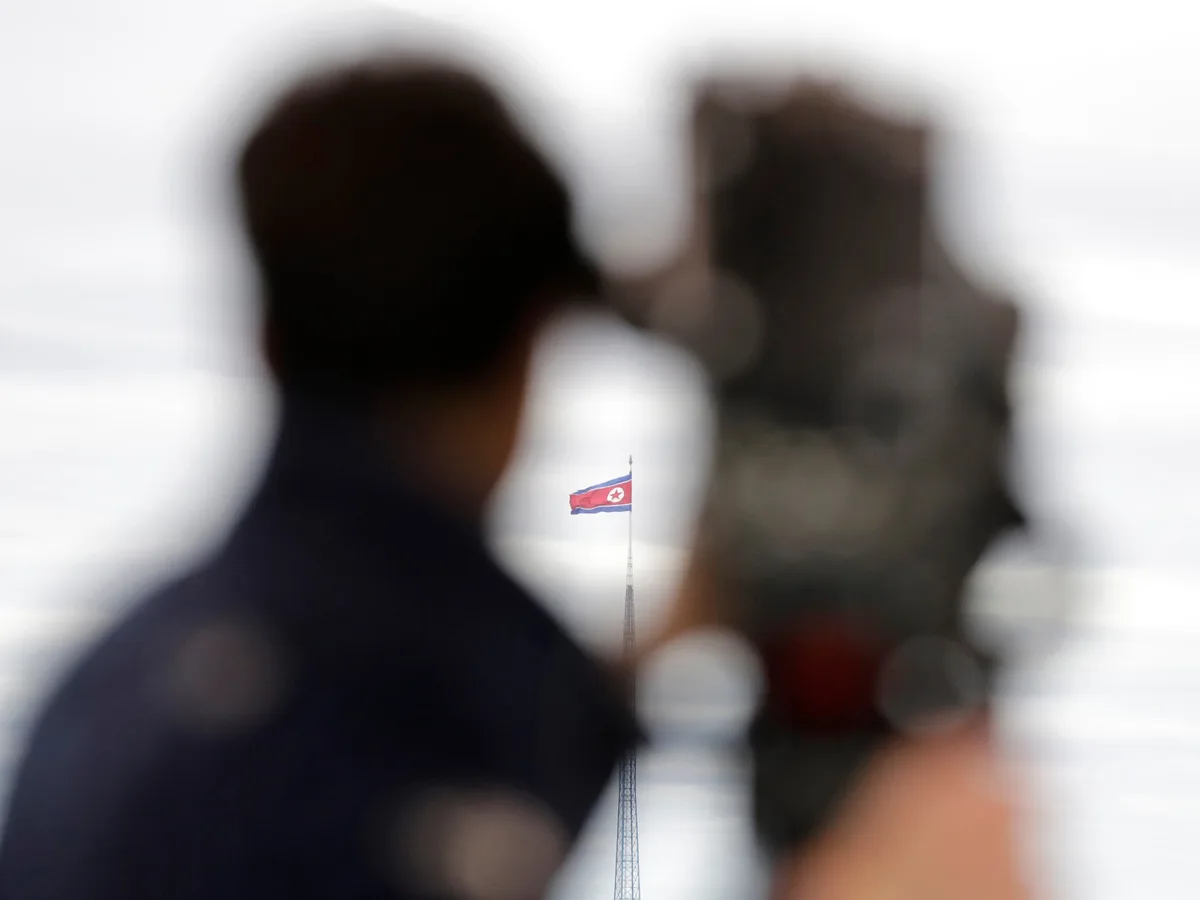
North Korea has condemned the upcoming Ulchi Freedom Shield drills, jointly conducted by South Korea and the US from August 17 to 27, as rehearsals for invasion [1, 2, 4, 6, 8]. Pyongyang has often responded to these annual exercises with missile launches or harsh rhetoric. Lim Eul-chul, a North Korea expert at Kyungnam University, said, "North Korea has never simply let a South Korea-US joint military exercise pass without a response. This is a message that Pyongyang is closely watching the upcoming drills and could stage a provocation if it deems one necessary." [4]
Hong Min, a senior researcher at the Korea Institute for National Unification, noted, "Even if it was a test of a weapon under development, choosing when to conduct it requires a political decision." [2]
The Ulchi Freedom Shield drills will involve about 18,000 South Korean soldiers and last 11 days, aiming to enhance combined defense posture and readiness against North Korea’s nuclear and missile threats [1, 2, 4, 6, 8]. The joint exercises are scheduled to begin on August 17 and run through August 27, 2026 [1, 2, 3, 4, 5, 6, 7, 8].