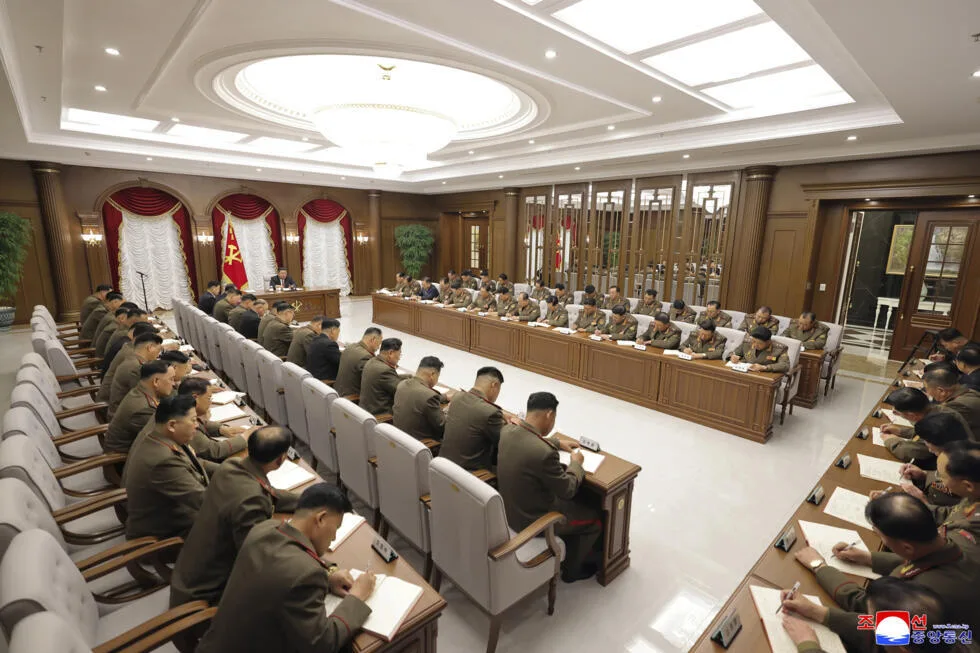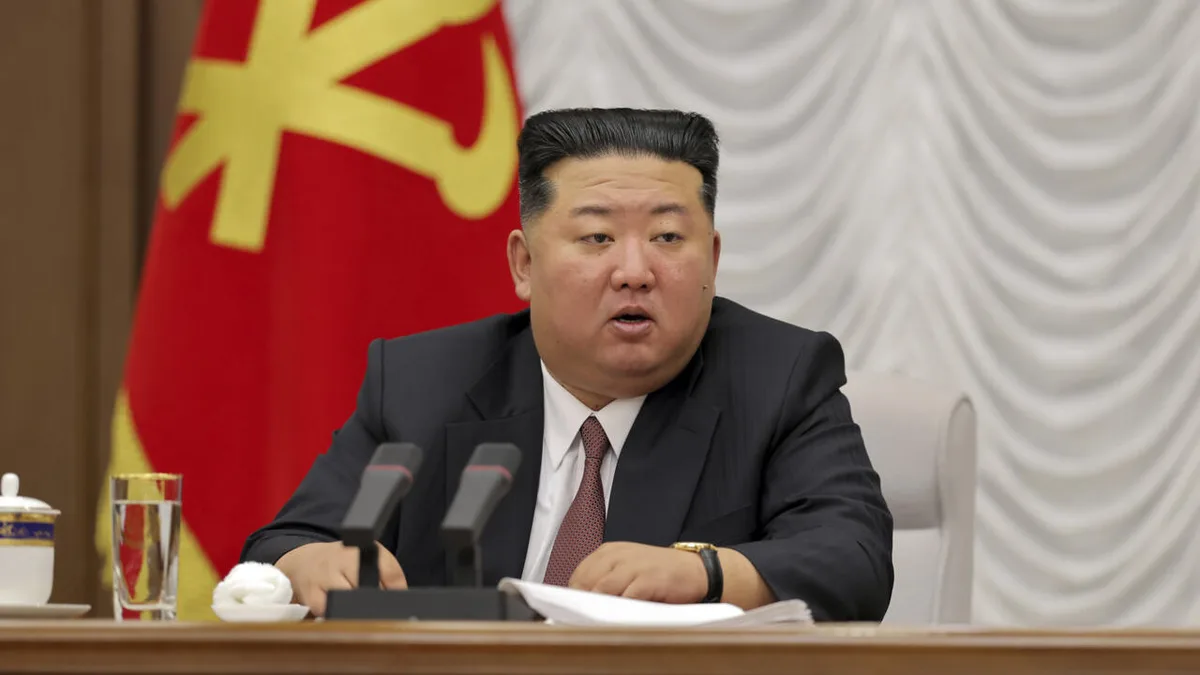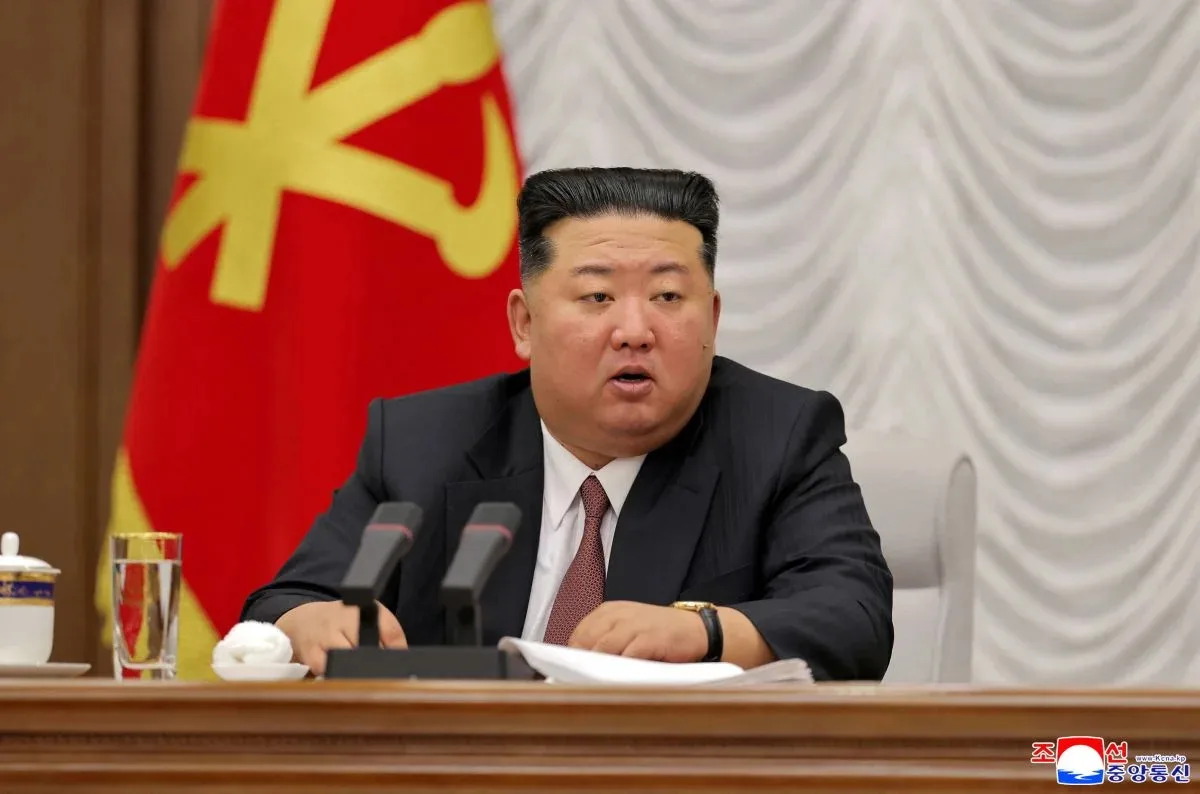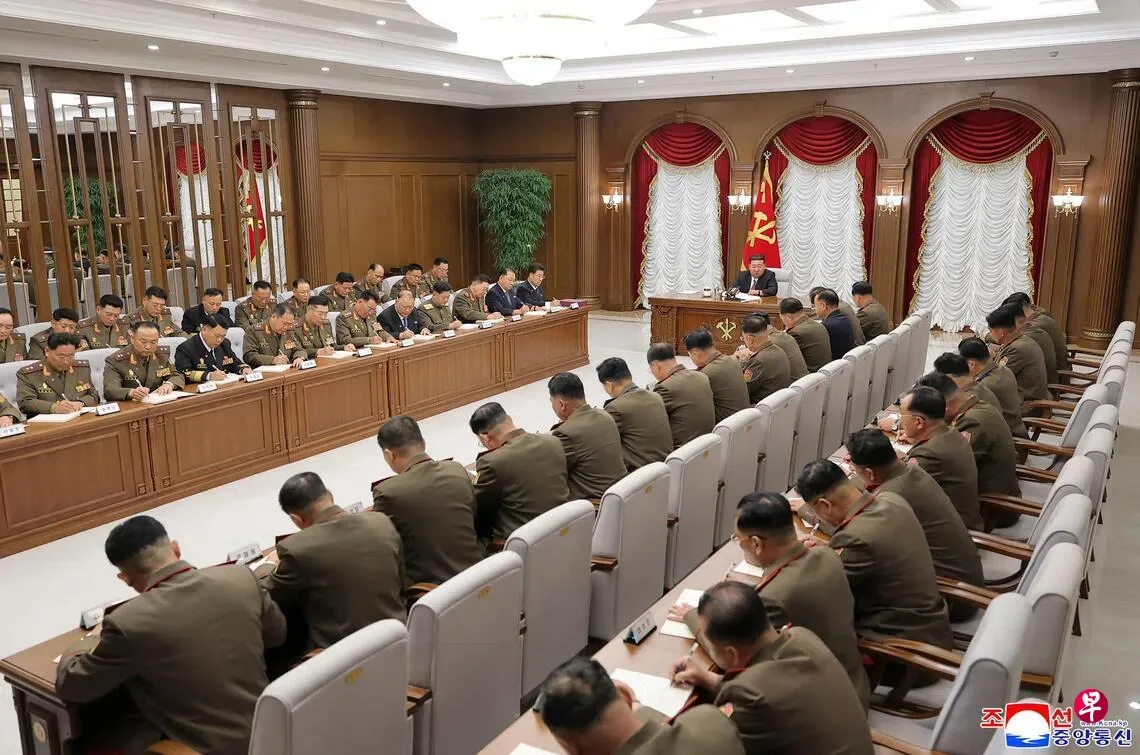
North Korea decided to enhance its nuclear forces both qualitatively and quantitatively and to promote military modernization and combat readiness, state media reported following an enlarged meeting of the Workers' Party's 9th Central Military Commission on July 9, 2026 [1, 2, 3, 4].
During the meeting, Kim Jong Un stressed that "only by building a strong army capable of controlling all threats can North Korea's security and 'true peace' be guaranteed," signaling a firm commitment to strengthening military power [1, 2, 3].
The commission outlined plans to upgrade the technical infrastructure of combat systems, expand and improve nuclear capabilities, and standardize and professionalize military bases nationwide [1, 2, 3, 4]. It also agreed to expand the Reconnaissance General Bureau, its military intelligence agency, enhancing its functions and missions to boost intelligence and reconnaissance abilities [5, 2, 3, 4]. Kim Jong Un ordered the bureau's expansion into the Reconnaissance Intelligence Bureau to improve key intelligence collection and threat control [4].
The meeting discussed constructing modern naval bases and increasing shipyard capacity to reflect changes in the navy's role, although these details were less emphasized [2, 3]. Earlier in July, Kim personally inspected weapons testing of North Korea’s new 5,000-ton destroyer "Kang Kon," which had been repaired after capsizing during its launch ceremony last May [2, 3].
North Korea has repeatedly declared itself an "irreversible" nuclear state since the failure of 2019 US-DPRK nuclear talks in Hanoi [5, 2, 3]. The Korean War ended with an armistice and no peace treaty, leaving the two Koreas technically still at war [1, 5, 2, 3].
The July 9 meeting marks the latest step in North Korea’s ongoing efforts to advance its military capabilities amid persistent regional tensions. The next major reports on progress are expected as tests and deployments continue in the coming months.