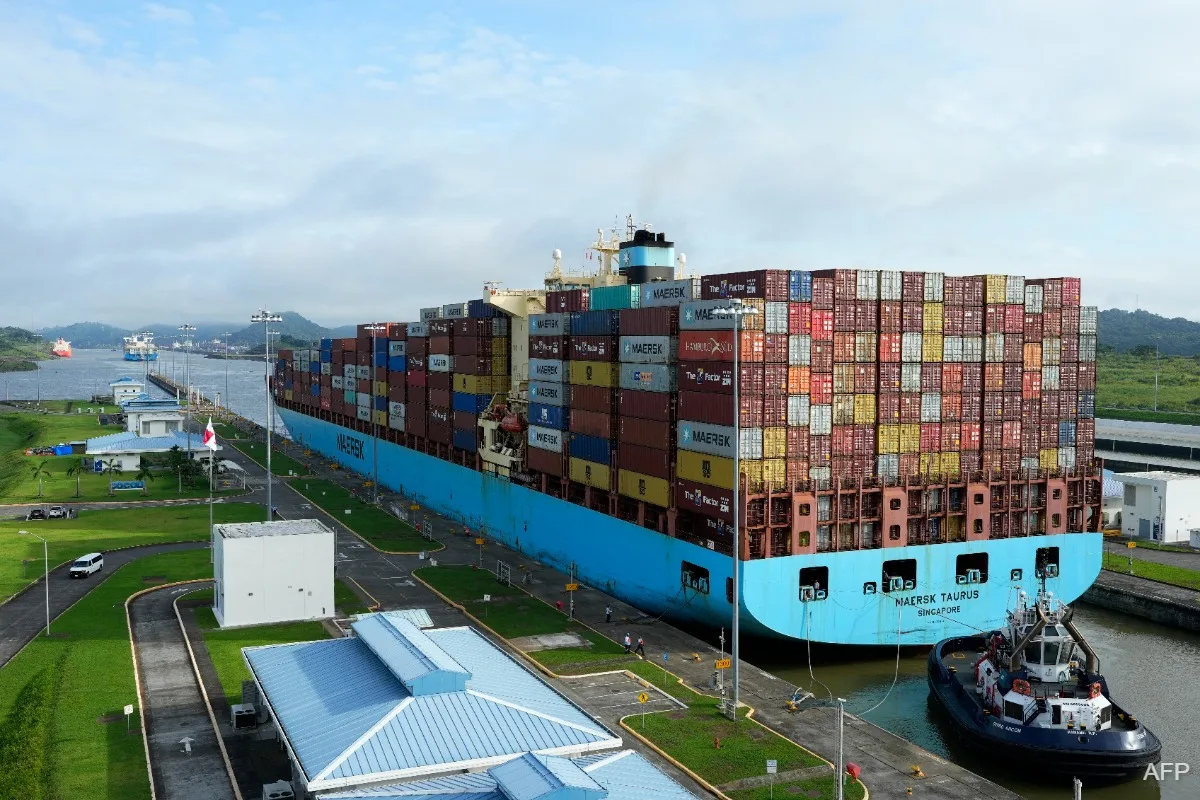
Panama is working to renew its maritime shipping agreement with China, even as relations remain strained over port operations near the Panama Canal and external pressure from the United States. The original diplomatic ties between Panama and China were established in 2017, marked by a maritime agreement offering Panama preferential port tariffs and eased bureaucratic access in Chinese harbors. That agreement is set to expire in 2024 [1, 2].
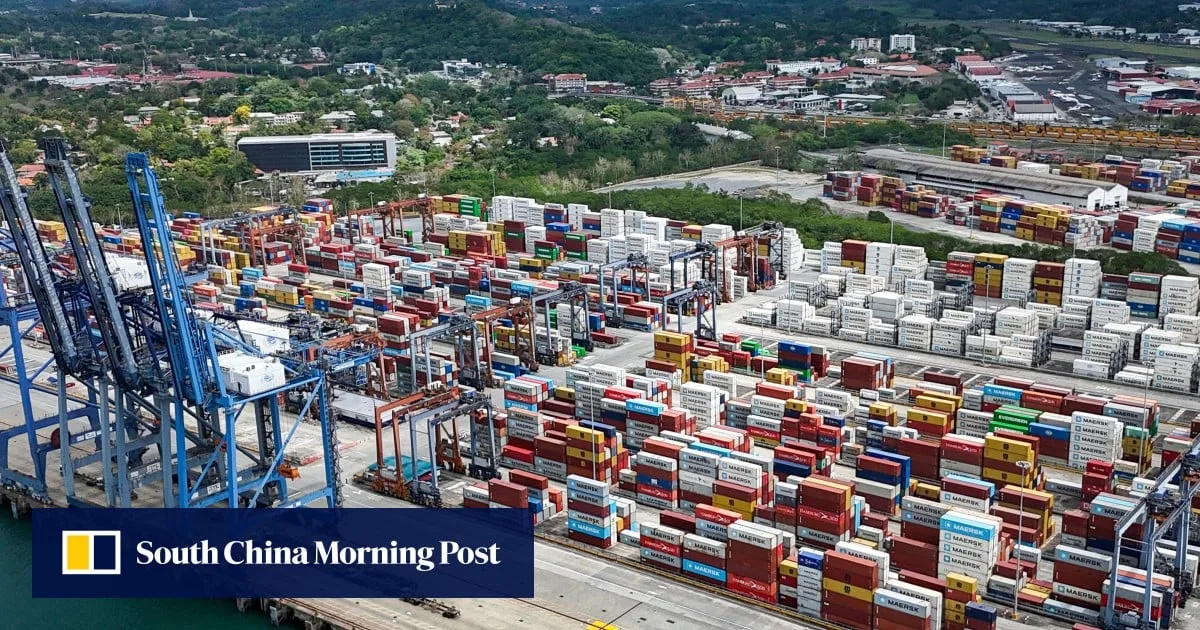
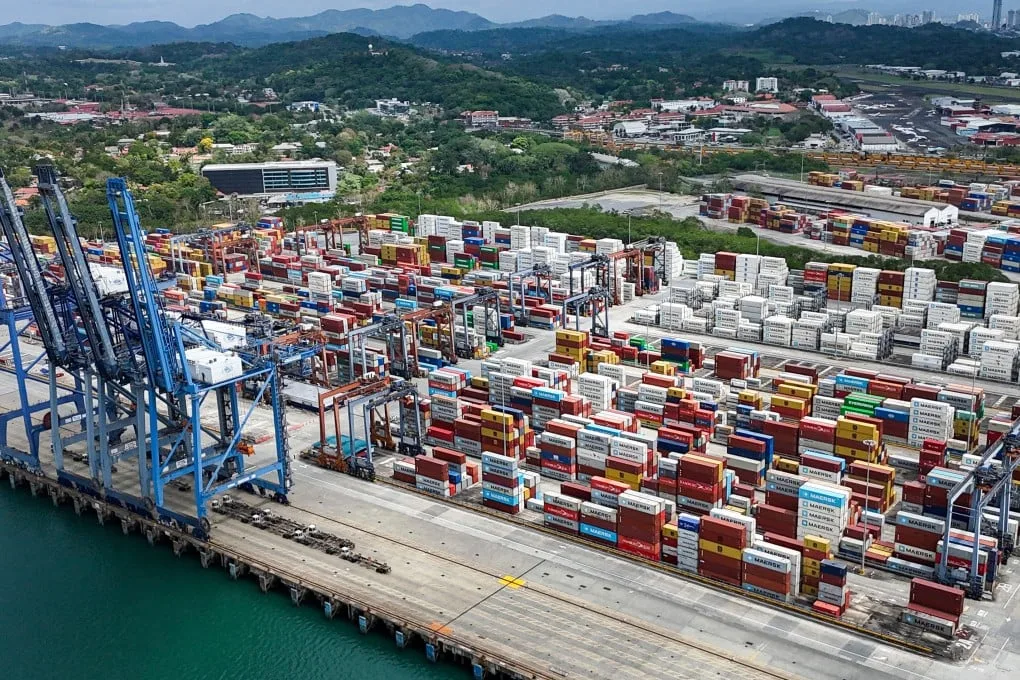
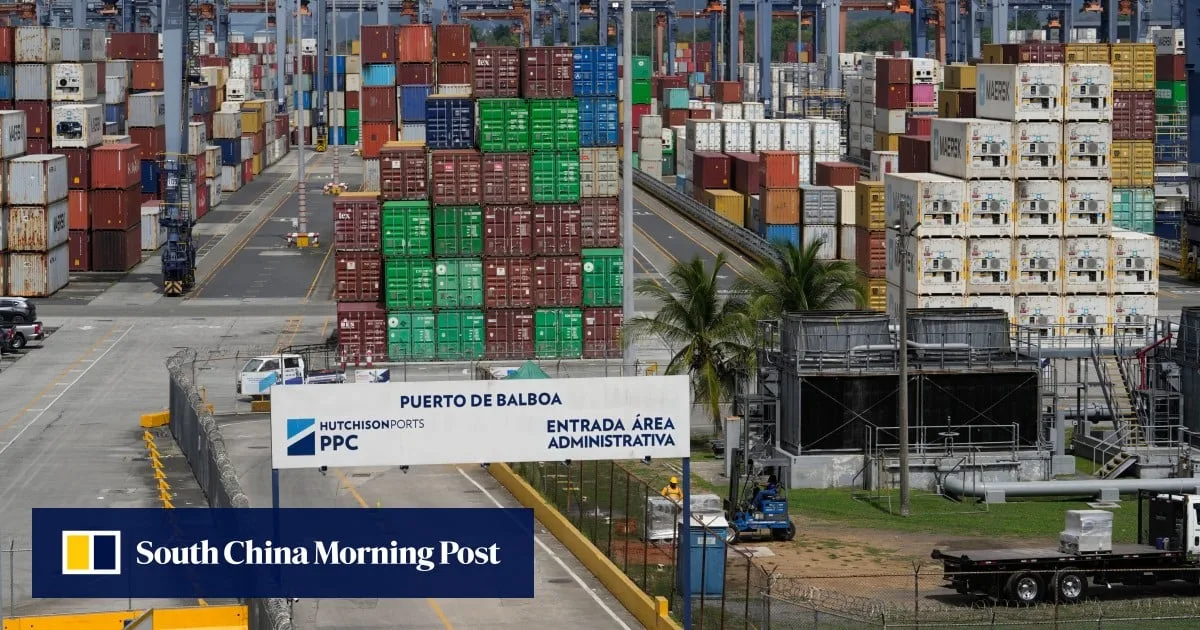
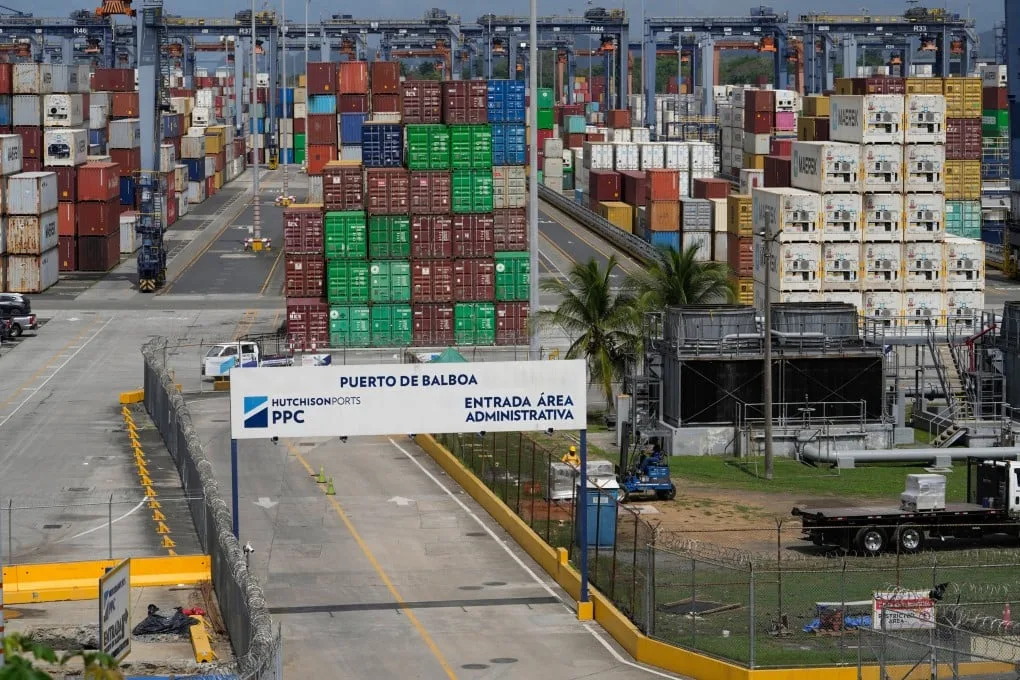
Tensions escalated after a Hong Kong-based company—Hutchinson's Panama Ports Company subsidiary—had its contract to operate two key Panama Canal ports cancelled. In response, China tightened controls on Panamanian vessels in its ports, souring bilateral ties further [2].
The United States has also played a role in the dispute. Former President Donald Trump reportedly sought tighter U.S. control over the Panama Canal, alleging excessive Chinese influence in the strategically vital waterway [1, 2].
Despite these challenges, Panama’s government has pursued dialogue to resolve disputes peacefully. Foreign Minister Javier Martinez-Acha told the UN, "Dialogue is not a sign of weakness. It is the highest form of trust in reason, in diplomacy, and in the ability of human beings to find peaceful settlements to disputes" [3]. He expressed optimism about a mutually beneficial negotiation based on respect [2].
China’s Foreign Minister Wang Yi stated, "China has always maintained that China-Panama relations are not directed against any third party and should not be interfered with by any third party," signaling Beijing’s position against external interference in bilateral affairs [1].
On May 28-29, 2024, Panamanian President Jose Raul Mulino and Martinez-Acha met Chinese officials in New York to discuss easing tensions and renewing the maritime agreement. Mulino described the talks as "without a doubt a transcendental step" and voiced confidence for successful negotiations through respectful dialogue [2].
With the current maritime agreement expiring in 2024, Panama’s government faces a deadline to finalize new terms amid ongoing geopolitical pressures and canal-related disputes.