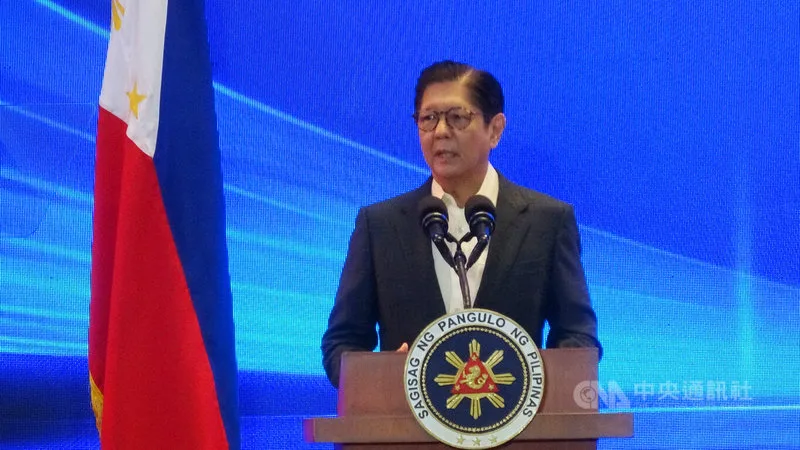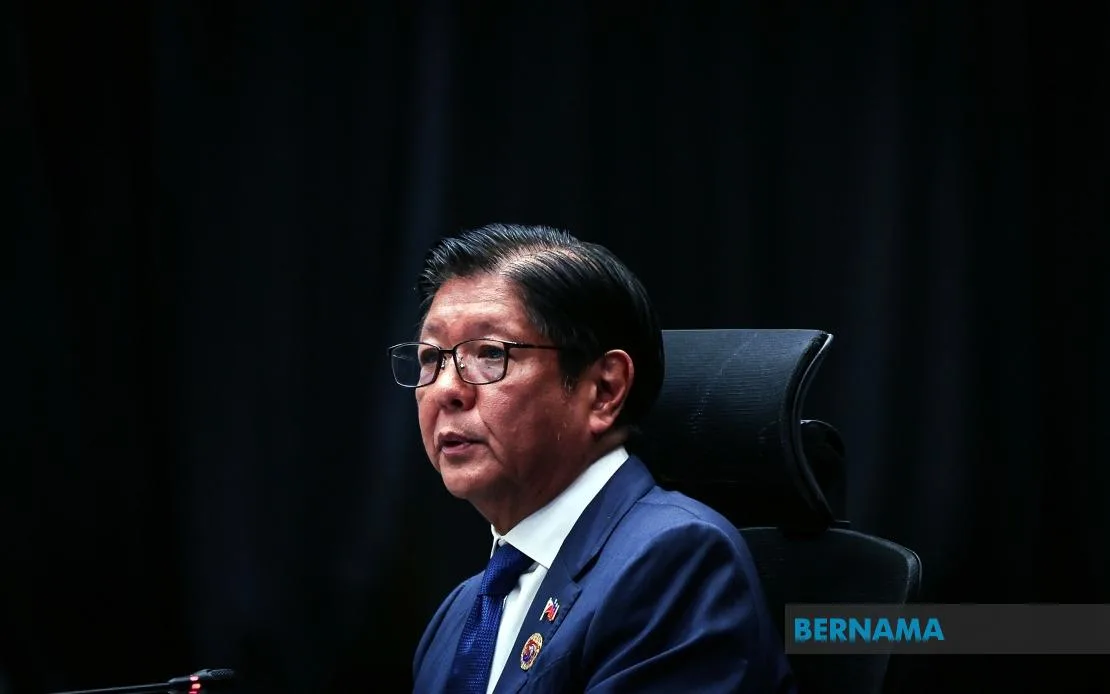
Philippine President Ferdinand Marcos Jr. announced on August 14 a plan to "reset" relations with China to reduce tensions and prevent escalation between the two countries [1, 2, 3, 4]. Speaking at a Foreign Correspondents luncheon, Marcos said the reset involves returning to dialogue whenever rising tensions are detected, aiming to lower hostilities and avoid the use of harsh language [1, 2, 4]. "If we begin to detect or feel an increase in tensions, then we have to once again go back and talk to our friends in China and say, ‘Look, this is not headed in the right direction,’" Marcos said [1].
The announcement came after a clash in July 2026 in the disputed South China Sea area injured two Filipino soldiers, including one who required four stitches for head wounds [2, 4]. Marcos emphasized that despite such incidents, the Philippines is committed to maintaining cooperation with China, which remains one of the largest investors in the Philippines [5, 6]. "We continue to find many opportunities to work closely with China," Marcos stated in Chinese, underscoring the ongoing economic ties [6].
Marcos also updated on the progress of bilateral discussions over joint oil and gas exploration in contested waters. He said that terms of reference outlining the scope and procedures for cooperation are being worked out and expressed confidence that such joint exploration could proceed during his term depending on progress in talks [1, 2, 3, 4]. He stressed that no arrangements would require the Philippines to seek China's permission for supply missions or relinquish Philippine rights in the South China Sea [5, 6, 4].
The Philippines seeks additional oil and gas supplies amid growing energy needs, exploring possibilities not only in the West Philippine Sea but other areas as well [1, 5, 4]. Marcos clarified that both government-to-government collaborations and purely commercial joint ventures must define each party's authority clearly [4].
The reset plan aims to establish a mechanism where dialogue is prioritized to manage tensions and prevent incidents like the July clash from escalating. The next step is continuing the ongoing talks to finalize terms of reference for joint oil and gas projects between the Philippines and China [1, 4].