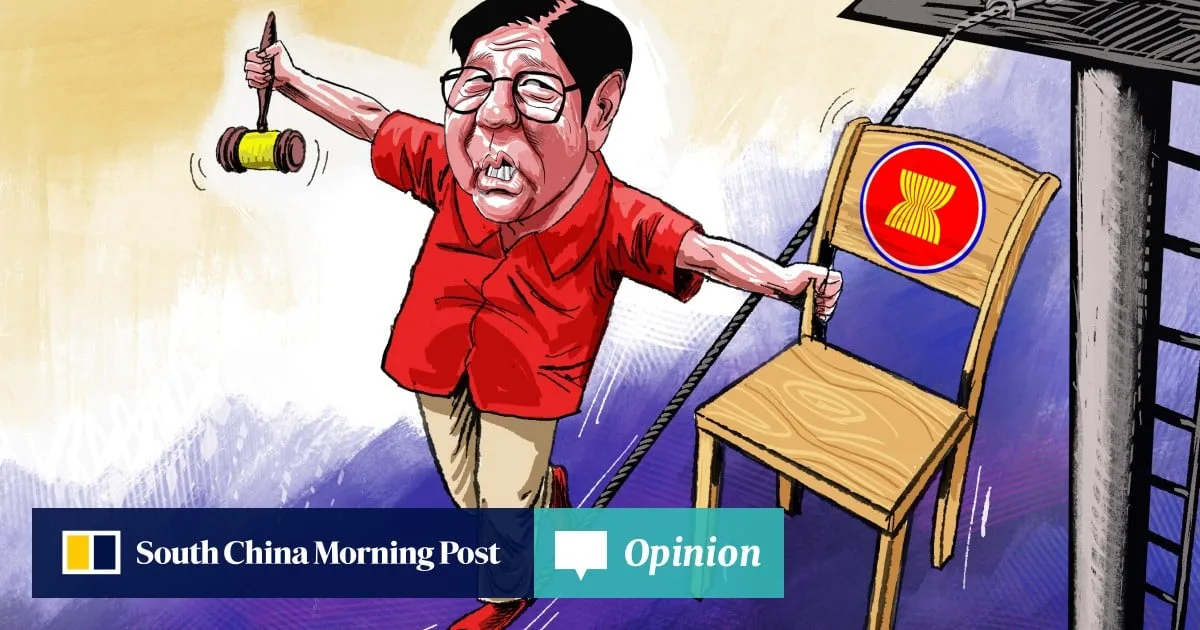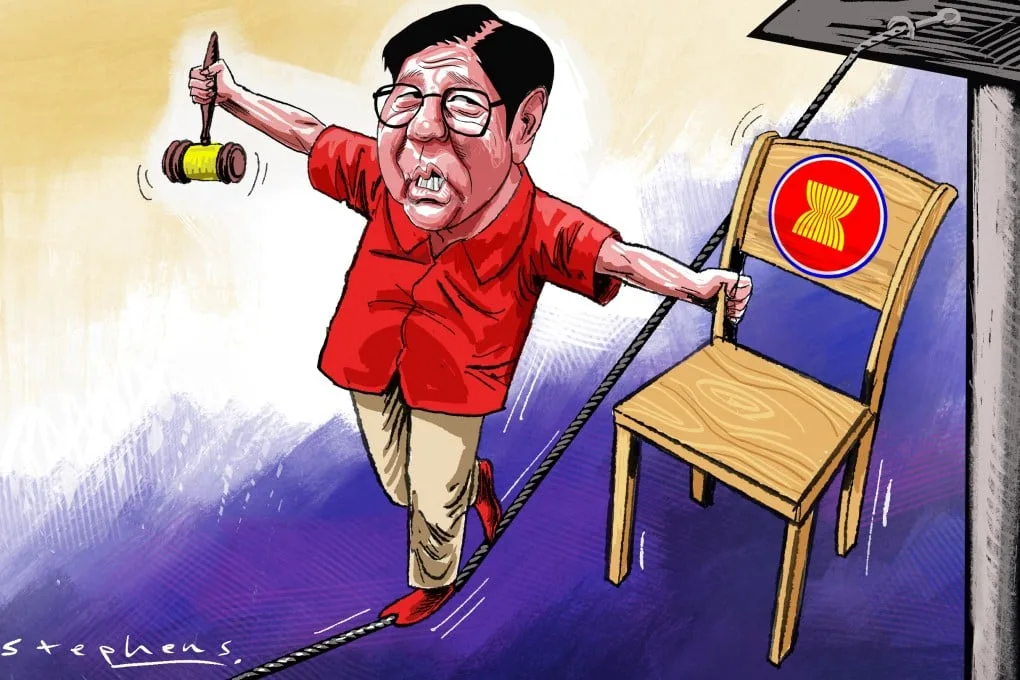
The Philippines assumed the chairmanship of ASEAN in 2026 during a period marked by multiple converging crises [1]. The country faces significant challenges in boosting its tourism sector despite its leadership role.
In 2024, the Philippines received 5.9 million visitors, falling short of its 7.7 million target, highlighting ongoing difficulties in attracting tourists [2]. In the first four months of 2026, the Philippines accounted for 2.1 million of ASEAN’s total 48.5 million tourist arrivals, significantly behind regional leaders Malaysia and Thailand, which recorded 13.4 million and 12.09 million arrivals respectively [2]. The Philippines’ tourism growth remains limited by accessibility hurdles, even as it works to increase its appeal to regional travelers. Ina Zara-Loyola, a spokeswoman for the Philippine Department of Tourism, said the country is "tailoring our interventions to ensure the Philippines is the top-of-mind choice for our increasingly affluent regional neighbours" [2].
Beyond tourism, the Philippines’ economy is vulnerable to disruptions in energy supplies from the Hormuz Strait. Brent crude oil prices recently spiked above US$115, raising concerns about economic impacts [1]. Research indicates that every US$10 increase in oil prices reduces Philippine GDP growth by 0.2 percentage points and pushes inflation up by 0.6 percentage points [1].
Remittances from Philippine workers in the Persian Gulf are also a crucial economic pillar. A prolonged conflict in the Middle East risks cutting these remittances by 30-35%, threatening household incomes across the Philippines [1].
As ASEAN chair, the Philippines must navigate these interlinked challenges while promoting regional cooperation and economic stability. The country’s progress will be closely watched through the remainder of 2026.