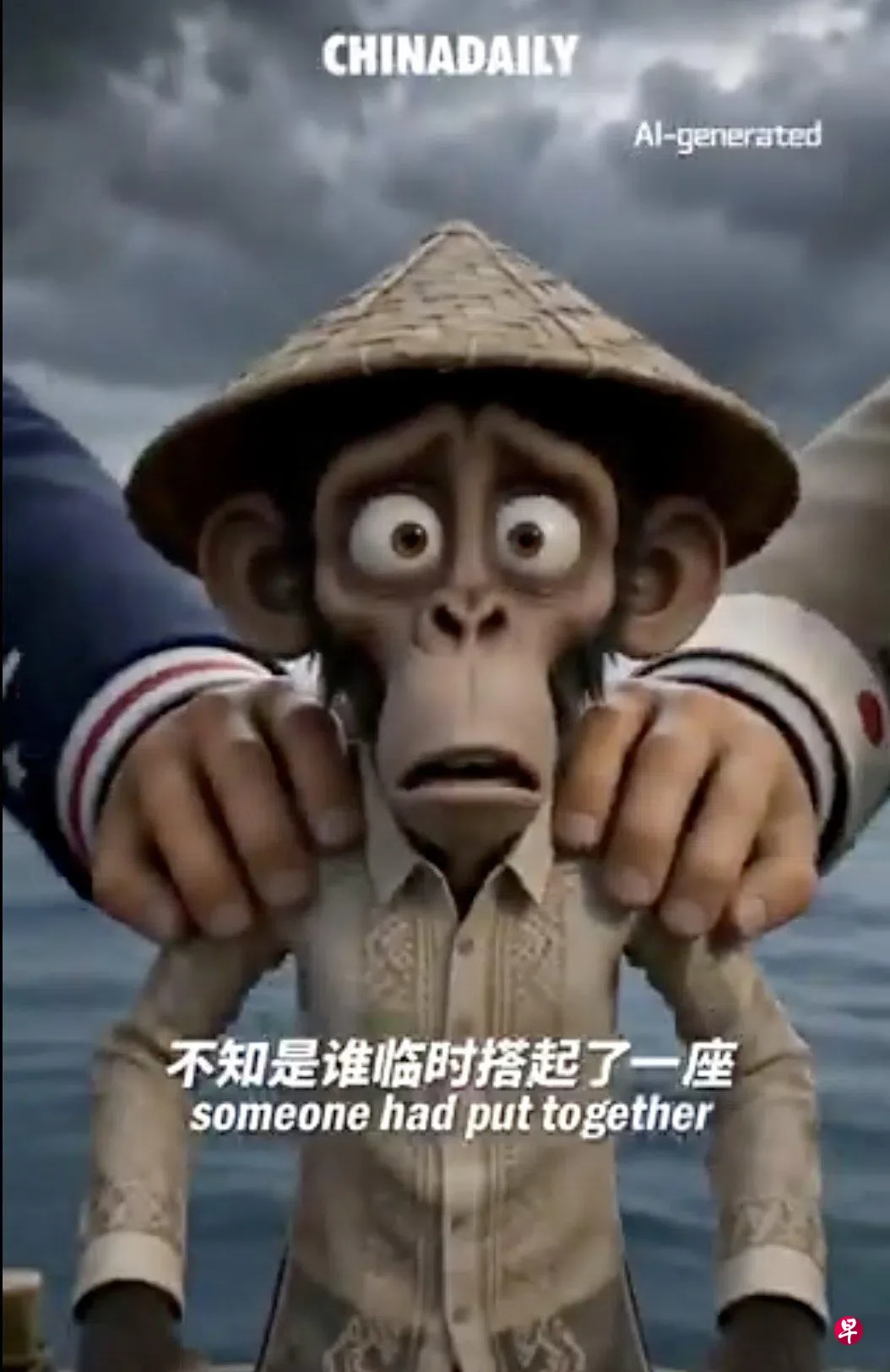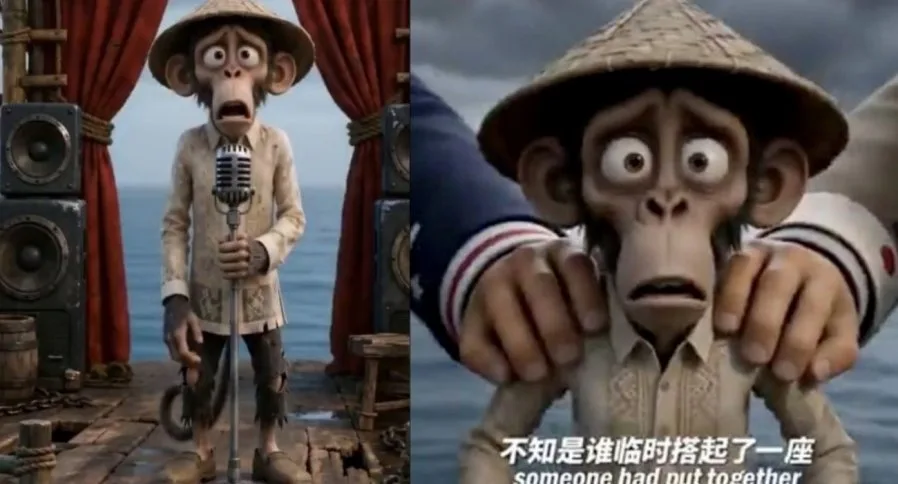
Chinese state media outlet China Daily posted an approximately one-minute AI-generated video on July 10, 2026, depicting Filipinos as a monkey wearing traditional barong clothing manipulated by giant hands bearing US and Japanese flags. The video showed the figure forced to sing incorrect lyrics, then thrown into the sea and sprayed by water cannon [1, 2, 3, 4, 5, 6].
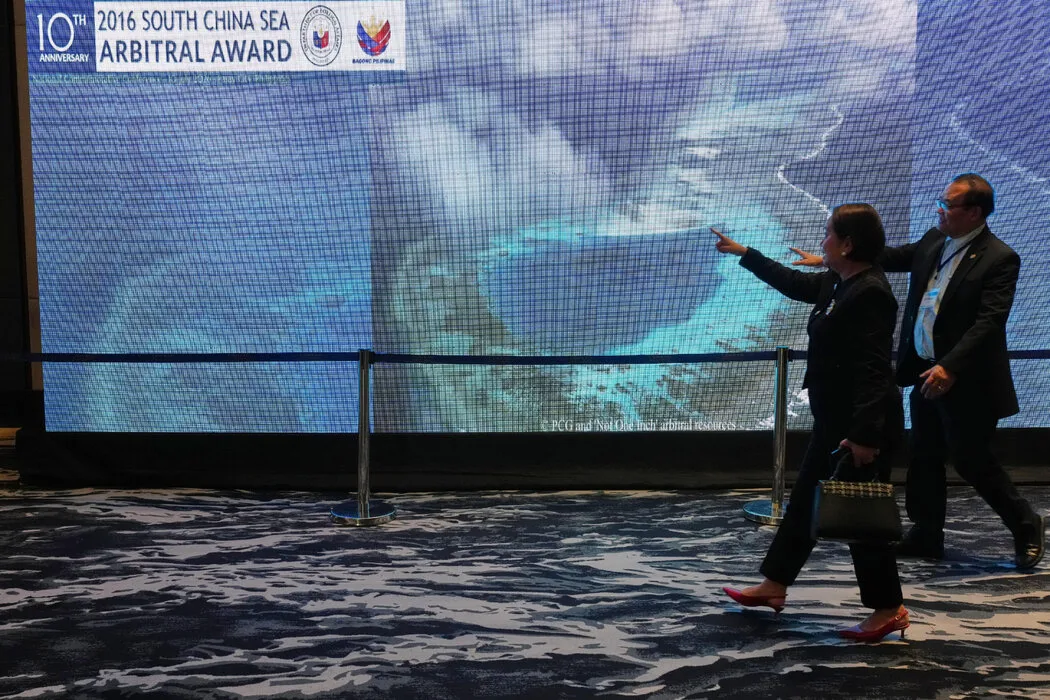
The video referenced the 10th anniversary of the 2016 South China Sea arbitration ruling, which China lost to the Philippines. It mocked Filipino claims in the dispute and portrayed the Philippines as a puppet of the US and Japan [1, 2, 5, 6]. The US and Japanese flags symbolized support for the Philippines, with Japan and the Philippines recently beginning maritime boundary talks [2].
The Philippine government reacted strongly. On July 16, Deputy Secretary-General Herrera Lin of the Foreign Ministry formally protested to the Chinese ambassador, calling the video racist, dehumanizing, and offensive. The ministry stated, "The video is filled with demeaning, dehumanizing, and racist portrayals of Filipinos that go completely beyond legitimate political commentary" [1, 2, 3, 4, 5, 6].
The National Security Council condemned the video as "not satire but a deliberate vilification of a legally binding arbitration ruling untouched for ten years," while Defense Minister Gilberto Teodoro denounced it as "despicable political propaganda" and said a responsible regional leader should be ashamed [1, 3, 4, 5, 6].
The Philippine Coast Guard spokesman Jay Tarriela called it "naked racism" and said, "Filipinos are not monkeys!" [6]. On July 17, the Security Council and Defense Ministry issued their statements publicly [1, 3, 4, 5, 6].
China’s Foreign Ministry declined to comment further, stating, "We do not comment on this matter; the video does not represent the official stance of China" [1, 2, 6].
The incident comes amid ongoing South China Sea tensions and just before Chinese Foreign Minister Wang Yi's planned attendance at the ASEAN Foreign Ministers Meeting in Manila [1, 5].
Japanese media commentator Yaita Akio criticized the video as "shameless, arrogant propaganda" and urged Taiwan to remain cautious of China’s intentions [7, 8, 9]. On July 19, other analysts joined in condemning the video, highlighting its offensive nature [7, 8, 9].
Chinese state media has released several recent AI videos and comics negatively portraying the Philippines on South China Sea issues [6].
Officials in Manila demanded the immediate removal of the video and have lodged formal protests with Beijing. The ASEAN meeting in Manila, scheduled later this week, will be closely watched for further diplomatic developments.