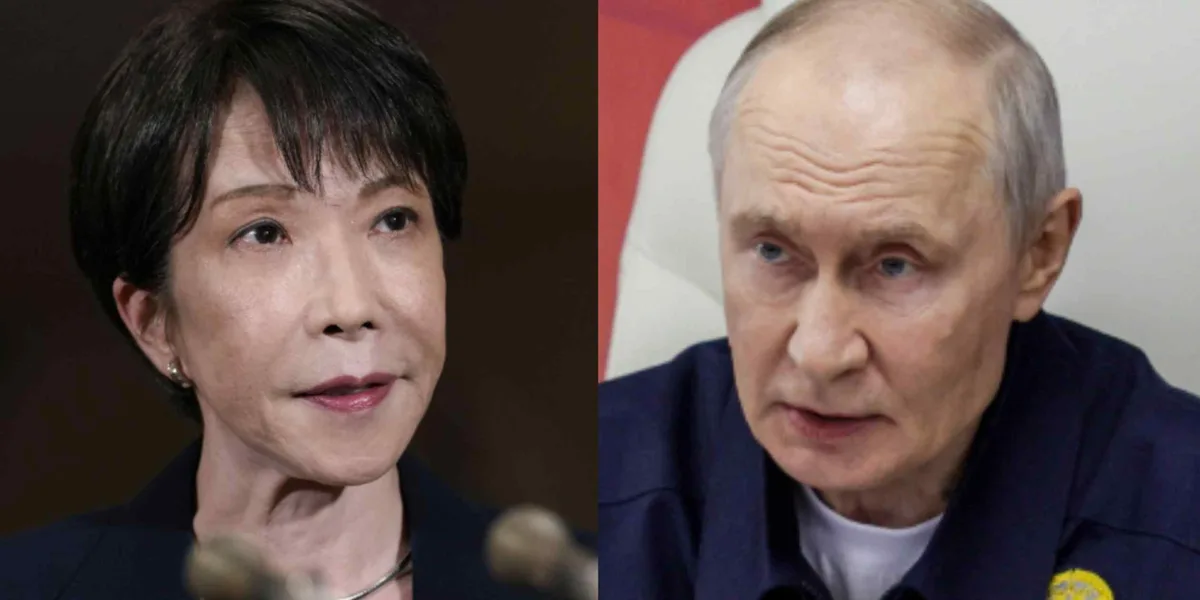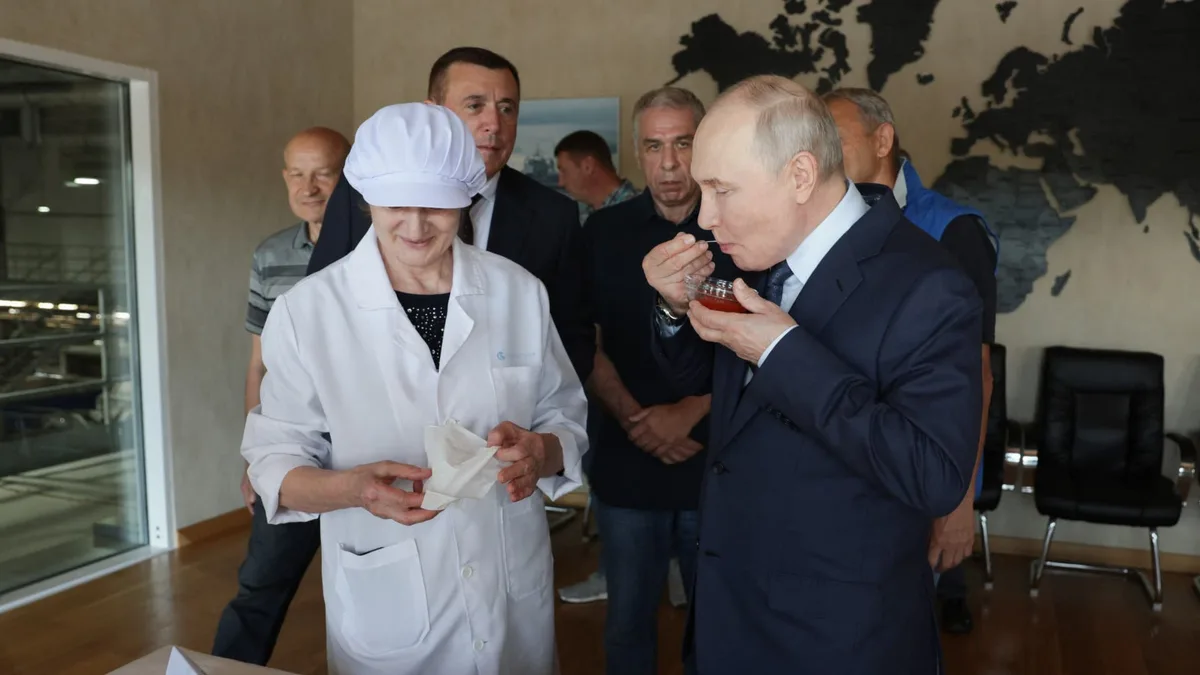
Russian President Vladimir Putin visited the southern Kuril Islands on August 13, 2026, marking his first visit there as president and drawing sharp criticism from Japan [1, 2, 3]. The islands, controlled by Russia since the Soviet annexation at the end of World War II, are known in Japan as the Northern Territories and remain a major point of dispute between the two countries [2, 3].
During his visit, Putin toured facilities on Iturup Island, including a fish-processing complex, a hospital, and a school, and met with Sakhalin regional governor Valery Limarenko [3]. The visit came days ahead of August 15, the anniversary of Japan’s World War II surrender, and shortly after Russia conducted Pacific Fleet military exercises near Sakhalin [1, 2].
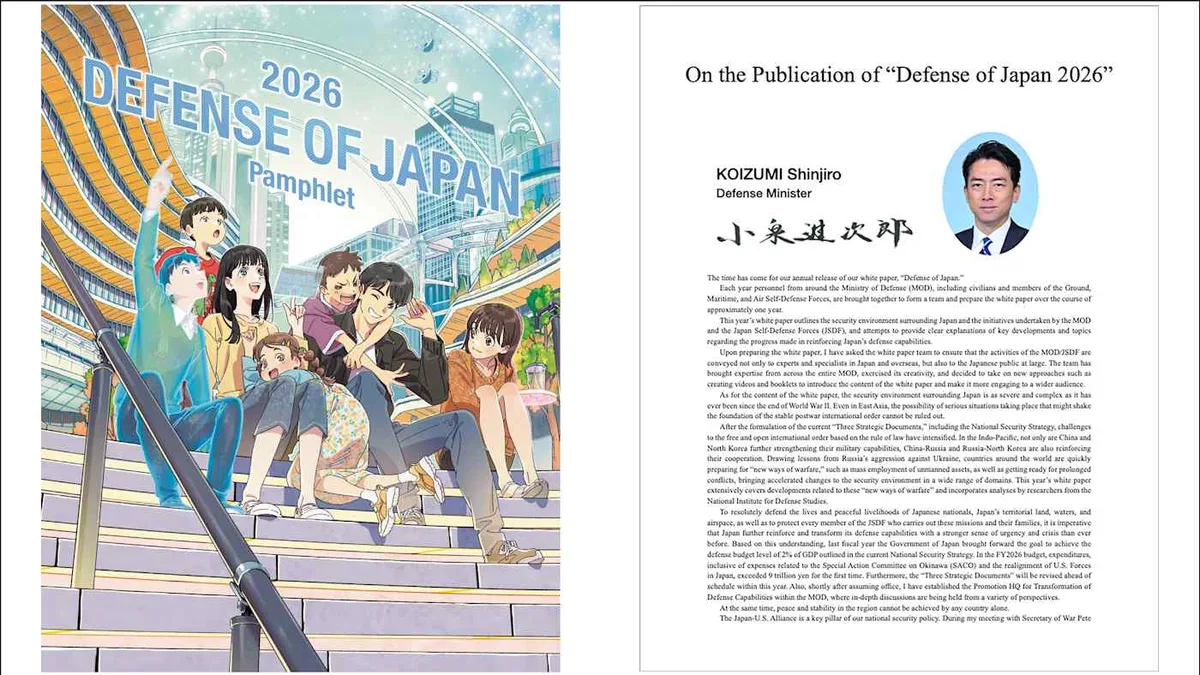
Japan reacted strongly. Prime Minister Sanae Takaichi called the visit "absolutely unacceptable" and said Tokyo had repeatedly requested Russia ensure the president did not visit the Northern Territories [3]. Foreign Minister Toshimitsu Motegi added on social media, "Japan strongly protests this visit" [3]. Japan’s 2026 defense white paper also described Russia as a critical threat and criticized the military presence in the disputed islands as illegal occupation [3].
Chinese analysts see Putin’s visit as a diplomatic signal, interpreting it as a comprehensive effort to pressure Japan and foster alignment between Moscow and Beijing against Tokyo ahead of a November summit. Analyst Li Lifan said, "I think it’s a comprehensive, across-the-board effort to put pressure [on Japan] and make it uncomfortable" [2].
The Kuril Islands dispute has blocked the signing of a formal peace treaty between Russia and Japan since World War II [3]. The situation remains tense as Tokyo and Moscow continue to claim sovereignty over the area.
Putin’s visit coincides with upcoming anniversaries and military activities that continue to fuel diplomatic friction. Japan’s government is expected to maintain its firm stance in coming weeks, with no indication of easing the dispute around the Northern Territories [1, 2, 3].