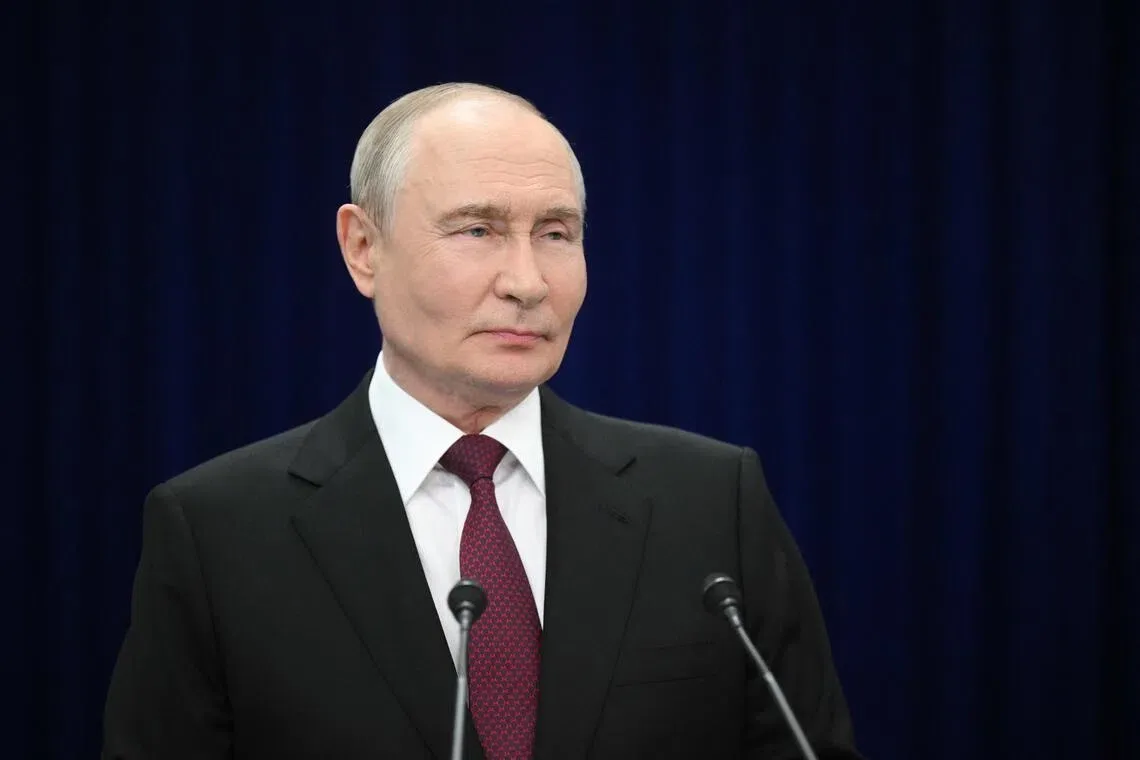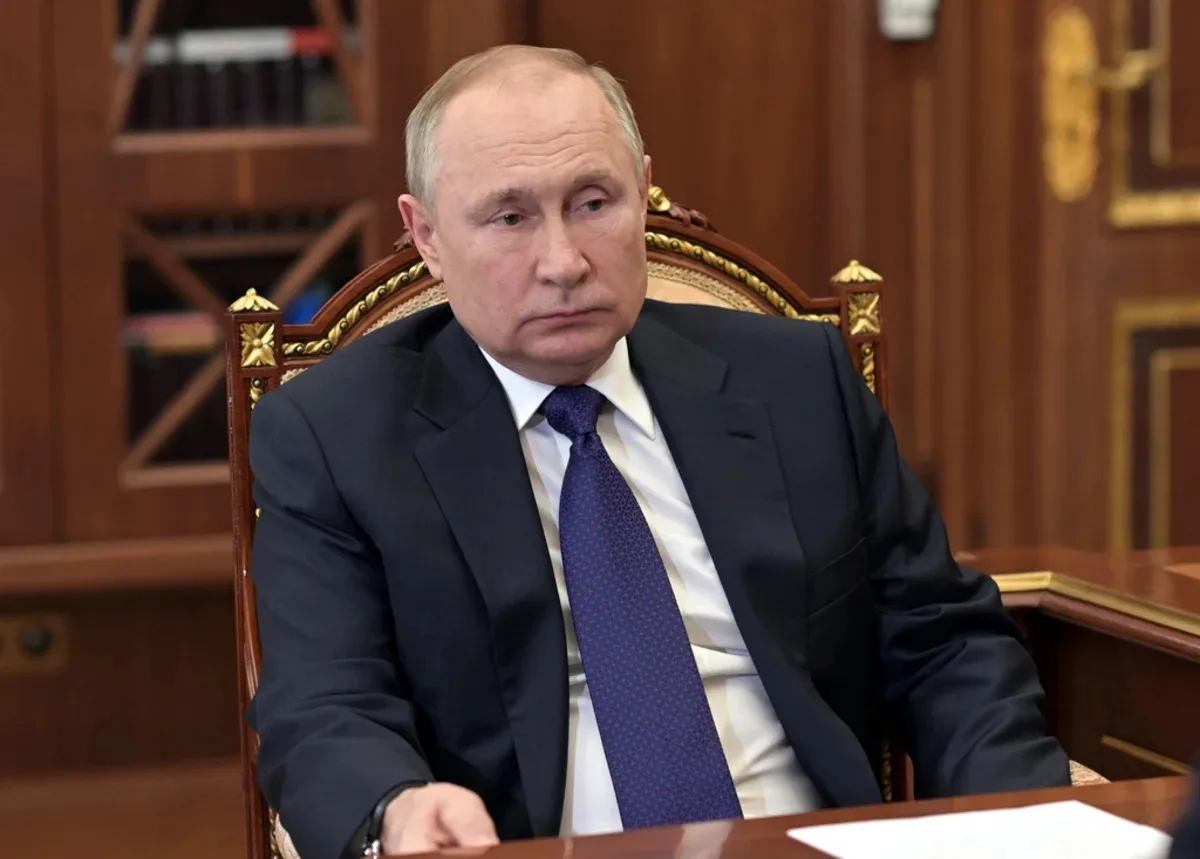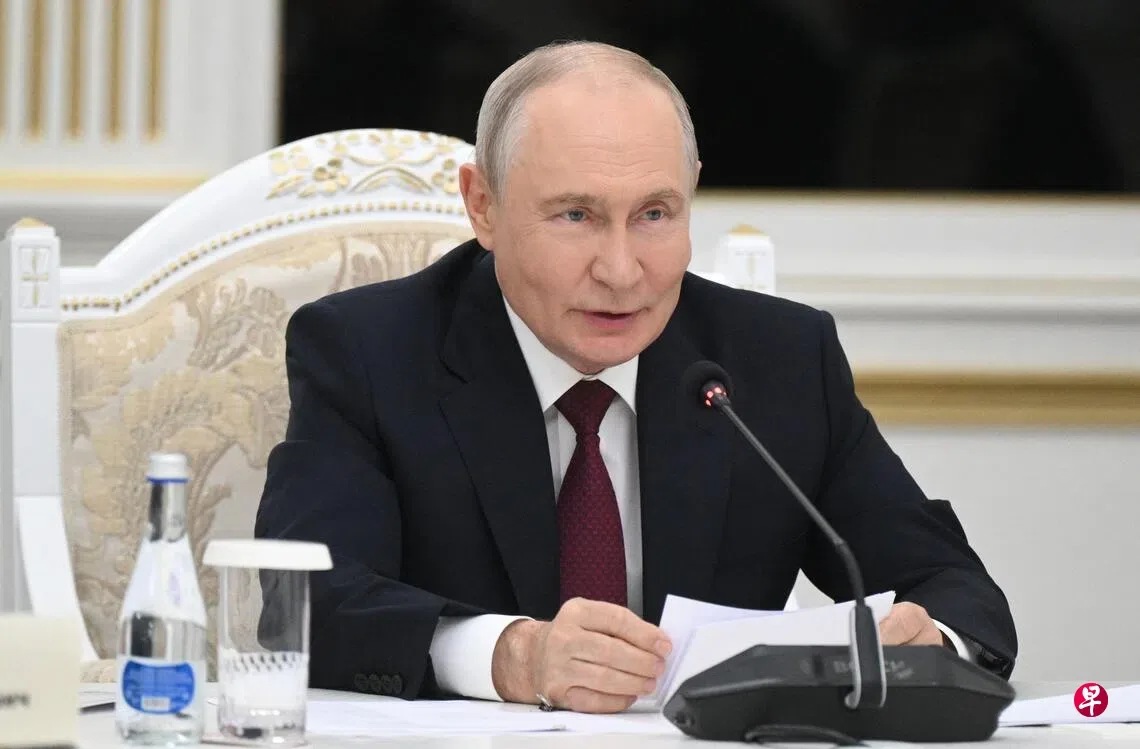
Russian President Vladimir Putin said a 40-day Ukrainian strike campaign starting in June caused economic damage equal to about 1% of Russia’s GDP. He said the damage was substantial but not critical for Russia’s economy, stating, "I think they did cause us real damage. The overall damage, according to our preliminary estimates, was quite substantial – around 1 per cent of GDP. That is not critical damage for us" [1, 2, 3, 4].
The campaign damaged roughly 100 Russian ships, with about 40 of those hit in the first two weeks, according to Putin. Ukraine’s drone attacks also damaged Russian refineries, leaving about 10% of them still needing repair [1, 2, 3, 4].
The strikes severely disrupted Russia's Black Sea trade routes, which handle more than 70% of the country's grain exports along with oil, steel, and coal shipments. Russia's seaborne crude exports fell to 3.46 million barrels per day in the four weeks through August 23, reflecting the impact on energy exports [1, 2, 4].
Drone attacks on the Black Sea port of Novorossiysk caused structural damage to three major grain terminals, forcing them to halt operations in August. This hit Russia’s agricultural export capacity at a key export hub [1, 2, 4].
Putin did not mention attacks on warehouses of major Russian e-commerce companies Wildberries and Ozon, which reportedly caused billions in damage to logistics networks [1, 4].
On September 1, Ukrainian President Volodymyr Zelensky threatened to close Russian airspace to commercial aviation by deploying mass drone attacks. Putin responded that Russia will find a way to respond if that happens, saying in Russian, "Если Украина реализует массовое развертывание беспилотников для фактического закрытия российского воздушного пространства для коммерческой авиации, Россия найдет способ ответить" [1, 2, 4].
Russian government forecasts for 2026 oil production were lowered due to the continuing war and refinery damage, with annual output expected to be at the lowest levels since 2009 according to one source [3].
The Ukrainian strike campaign launched on June 25 and continued to disrupt Russian exports and infrastructure through August, with major impacts visible by August 23 and continuing into September [1, 2, 4].