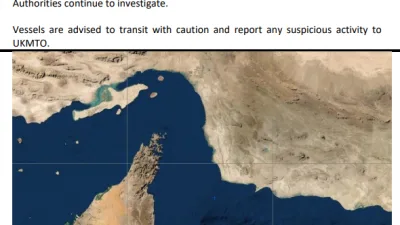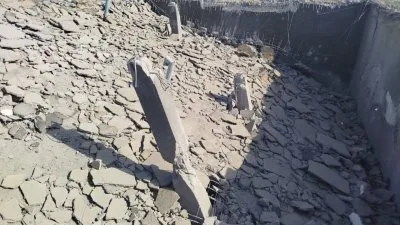
Russia called on the US and Iran to return to peace negotiations after a new round of attacks escalated tensions in the Middle East [1, 2, 3, 4]. The latest clashes include US forces striking Iranian military targets near the Strait of Hormuz in early June, following the downing of a US Apache helicopter [3, 4]. In response, Iran's Islamic Revolutionary Guard Corps launched retaliatory strikes on 21 American military targets across the region [3].
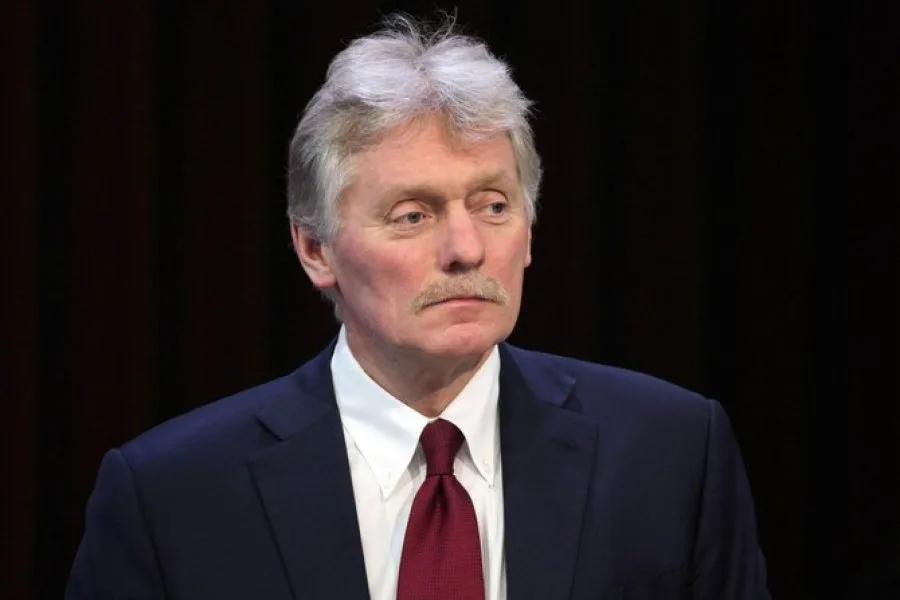
Russian officials expressed extreme concern over the rising conflict. Russian Foreign Ministry spokeswoman Maria Zakharova urged both sides to exercise restraint and immediately cease military strikes to prevent further escalation [3]. Kremlin spokesman Dmitry Peskov added that the tension threatens regional stability and could harm the global economy, stating, "The latest round of escalating tensions is fraught with new, additional negative consequences for the situation in the region and the international economy as a whole" [4].
China strongly condemned the military actions and called for a halt to fighting. Chinese Foreign Ministry spokesman Lin Jian emphasized that "military means cannot solve fundamental issues" and urged all parties to resume dialogue and support mediation efforts for a lasting ceasefire [1]. Turkey also called on Washington and Tehran to stop mutual attacks and return to negotiations, citing concerns over potential escalation after attacks that began two days earlier [1].
US President warned Iran to accept a peace deal or face further strikes [4]. Negotiations mediated by Pakistan have been ongoing since an April ceasefire, focusing on ending hostilities, reopening the Strait of Hormuz, and addressing nuclear issues [4]. The recent military exchanges began with US strikes on Iranian air defenses on June 9 or 10 and Iran’s retaliatory attacks on June 10 [3, 4].
The international calls for restraint came on June 11, with Russia, China, and Turkey urging immediate cessation of hostilities and a return to the negotiating table [1, 2, 4].