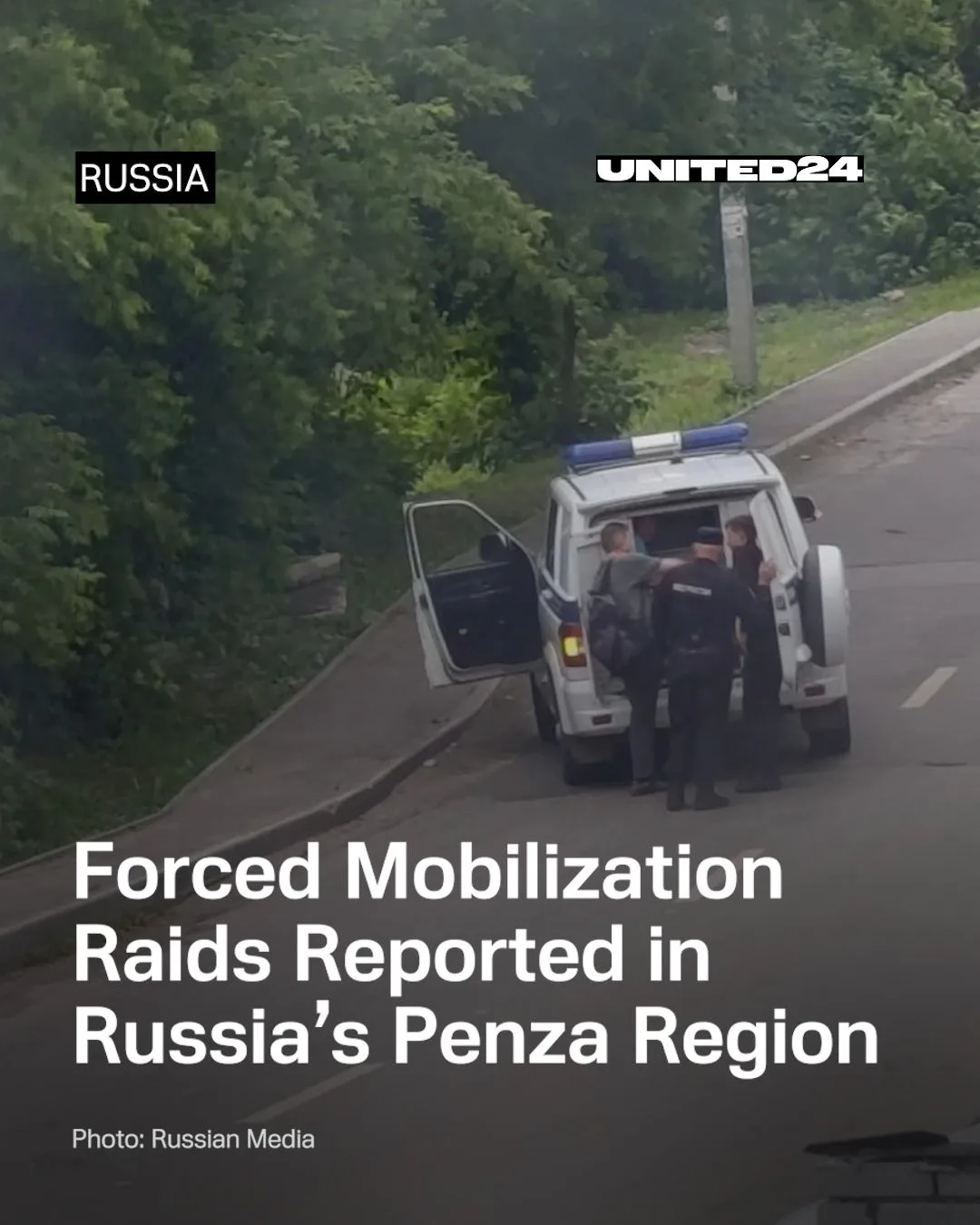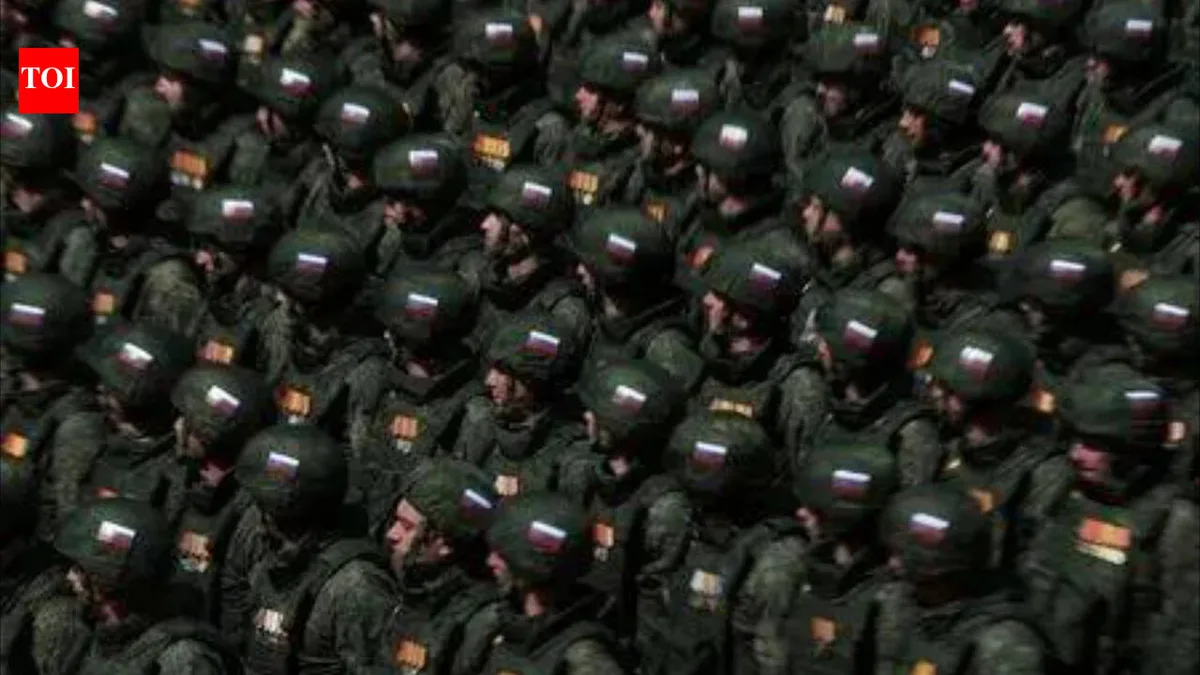
Russia is facing a severe military manpower shortage caused by declining voluntary enlistment and estimated battlefield casualties of 30,000 to 40,000 per month [1, 2, 3]. To address this, authorities have increasingly turned to coercion, threats, and violence to forcibly recruit men in smaller towns. Men are often detained on streets or workplaces under false pretexts such as document checks before being taken to recruitment centers [1, 2, 4, 3].
Lawyer Artyom Klyga said, "当局现在改用暴力手段,只要抓到男性就将他们送去服役" (Authorities now use violence to send any men they catch to service). He added that cases involving fabricated drug charges and physical intimidation to force enlistment keep rising across Russia's federal regions [1, 3].
In Penza, residents reported police collaboration in coercive recruitment accompanied by forced medical exams and physical abuse. One man was summoned to a police station, beaten, and nearly sent to a medical exam before intervention secured his release. A local said, "要是我们晚2小时到,他早就被带走了。他们的行动非常迅速" (If we had arrived two hours later, he would have been taken away). A woman appearing outside the Penza recruitment office in a video cried, "他们打你,他们逼迫你!" (They beat you, they force you) [1, 2, 5].
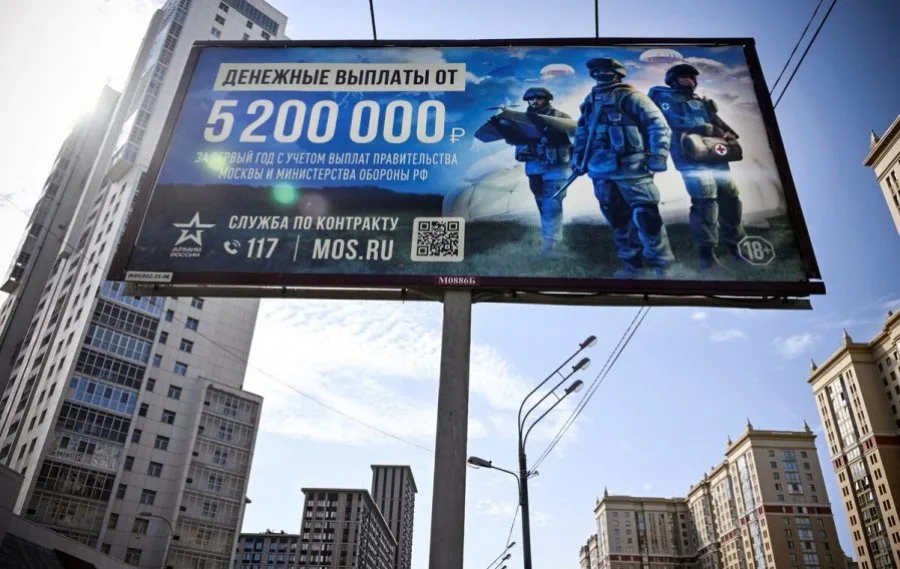
Recruitment offices have posted bounty offers of roughly 100,000 rubles (~$1,300) to those who bring in recruits. Such posters have appeared in Tatarstan, Amur, Yaroslavl, Kaluga, Voronezh, and Arkhangelsk regions [1, 2, 3]. Public protests and viral videos show men forcibly taken into military vans amid crying relatives, fueling domestic backlash [1, 4, 5].
Russia denies forced frontline deployment, with Penza recruitment director Andrey Surkov stating, "所有突袭行动都是针对逃避兵役者;当地内政部门则否认会强制将男子送往前线,并警告发布相关影片者可能面临法律后果" (All raids target draft evaders; local police deny forced frontline deployment and threaten legal action against those disseminating related videos) [1].
US officials say these coercive tactics help raise numbers but fall short of enabling major frontline breakthroughs. They warn Moscow might announce another mobilization after the September 20 parliamentary elections [1, 2, 6].
Forced recruitment has provoked growing human rights concerns and domestic protests within Russia [1, 2, 6, 3]. The situation remains tense as authorities continue these campaigns amid ongoing high casualties and recruitment shortfalls.
The prospect of a new mobilization is set for possible announcement after the 2026 parliamentary elections on September 20 [1, 2, 6].