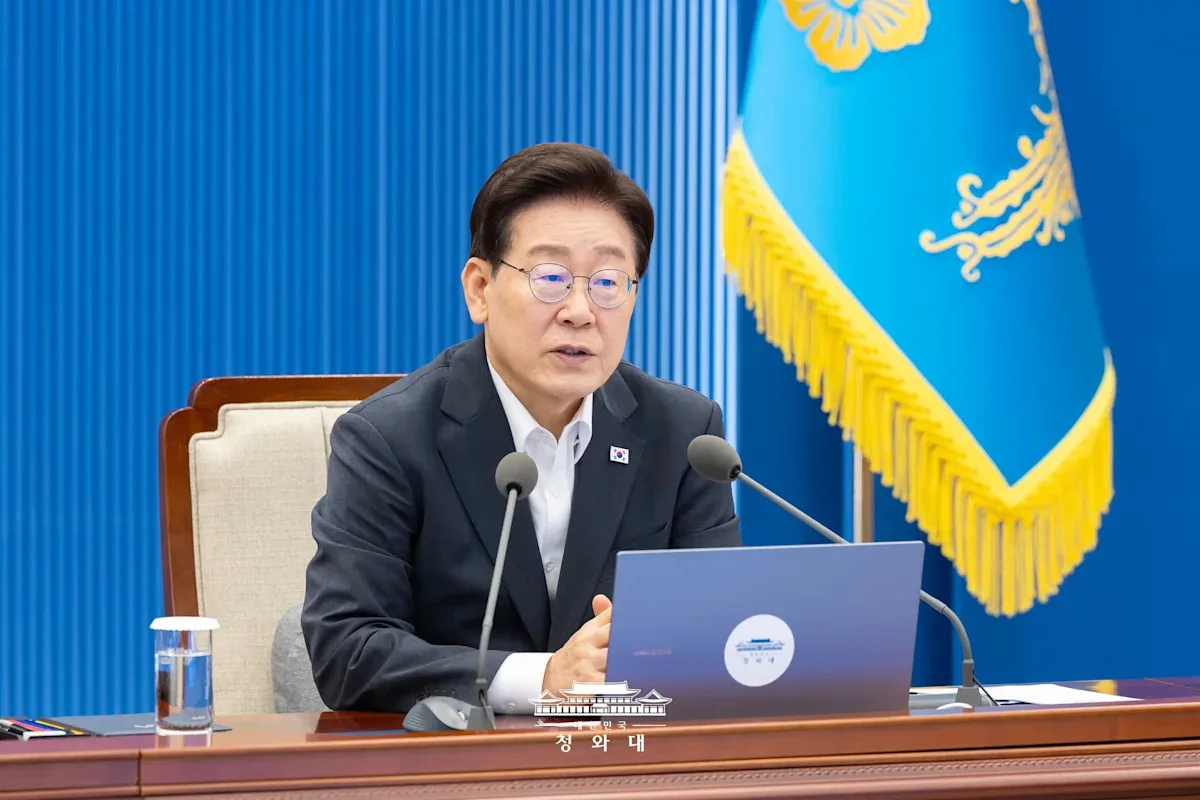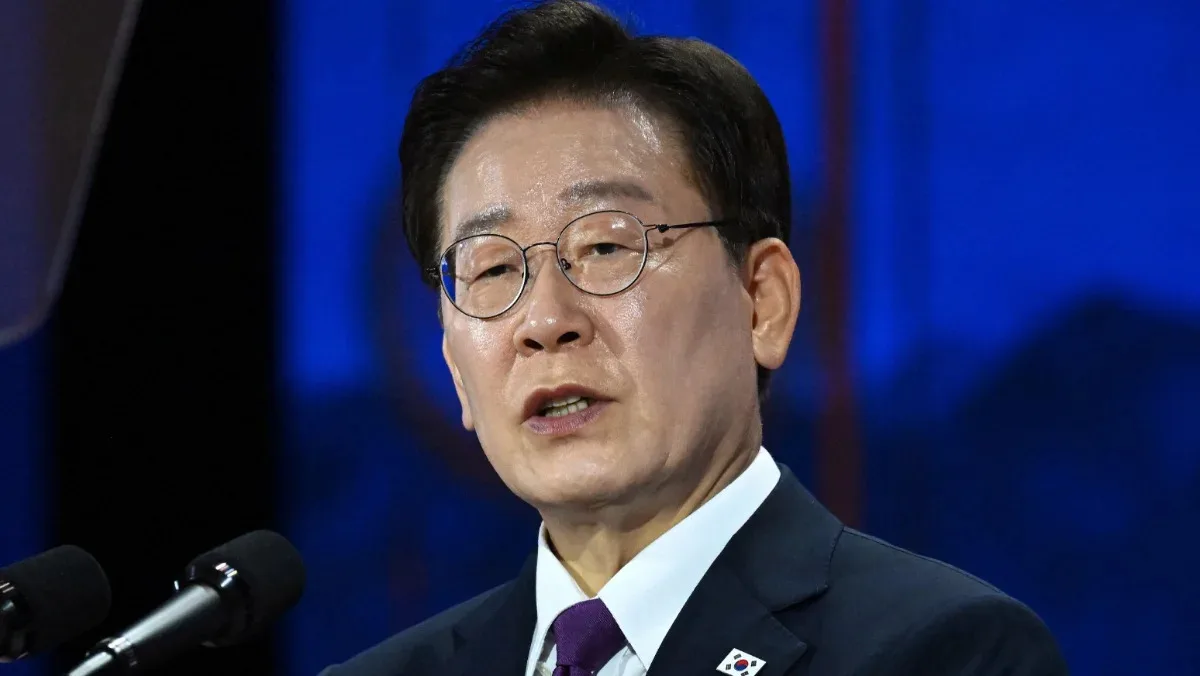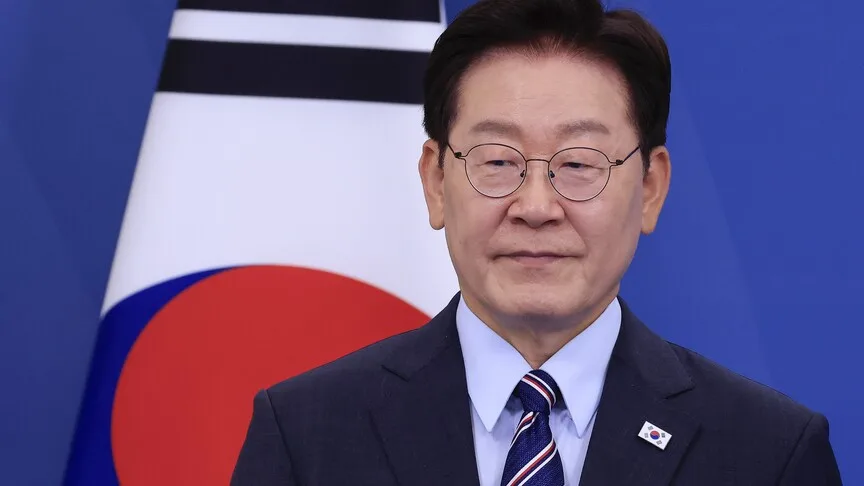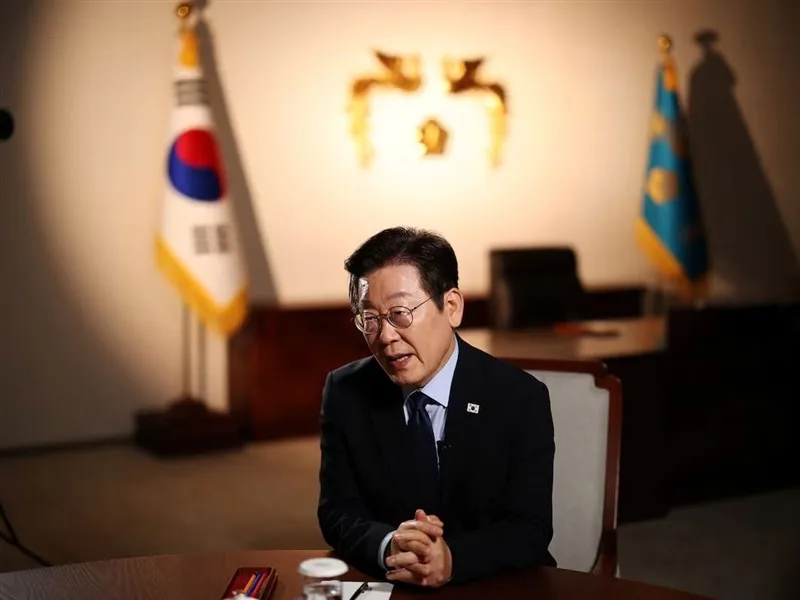
South Korean President Lee Jae Myung announced support for changing the presidential term from the current single five-year non-renewable period to a four-year term with one re-election, allowing two terms in office [1, 2, 3, 4, 5]. He called for stronger powers for the National Assembly as part of the reform to balance presidential authority [1, 2, 3, 4, 5].
Lee described the current presidency as highly centralized, with critics calling it an "imperial presidency" model, and said some presidential powers should be reallocated to parliament and other institutions [1, 3, 4, 5]. He made clear the reform would not establish a parliamentary or cabinet system, nor a fully decentralized presidency, but rather a two-term presidency with parliamentary checks and balances [1, 3, 4, 5].
To amend the constitution, at least 200 out of 300 National Assembly members must approve the proposal. Lee urged bipartisan agreement in the legislature for the reforms [1, 2, 3, 4, 5]. A presidential official said Lee believes "a four-year, two-term presidential system that strengthens the power of the National Assembly is most likely to be acceptable to the public" [2]. The official added the president wants constitutional reform pursued through bipartisan consent [2].
Lee emphasized that the details of the reform should be determined through parliamentary negotiations rather than unilaterally by the presidency. He has repeatedly stated since his 2022 campaign he is willing to shorten his own term to facilitate constitutional amendment [2, 4, 5].
The proposal also seeks to enshrine the democratic spirit of the May 18 Gwangju Movement and 1979 Busan-Masan protests in the constitution's preamble [5]. Some presidential powers to be redistributed to parliament include control over the Board of Audit and Inspection, prime minister recommendations, and certain personnel matters [5].
The current South Korean constitution dates from 1987 and established the five-year single presidential term [5]. Previous presidents Roh Moo-hyun in 2007 and Moon Jae-in in 2018 also proposed shifting to four-year renewable terms [5]. Lee dismissed ideas of a dual executive or parliamentary cabinet system as neither feasible nor preferred given public opinion [5].
Lee’s administration regards constitutional reform as its top policy task, and early plans included introducing two-round presidential elections [1, 3, 4]. On August 14, a presidential official confirmed Lee’s support for the proposed reforms and his call for bipartisan parliamentary agreement [1, 2, 3, 4, 5]. That evening, Lee reaffirmed on social media his unchanged stance since 2022 and again expressed willingness to shorten his own term to enable amendment [5].