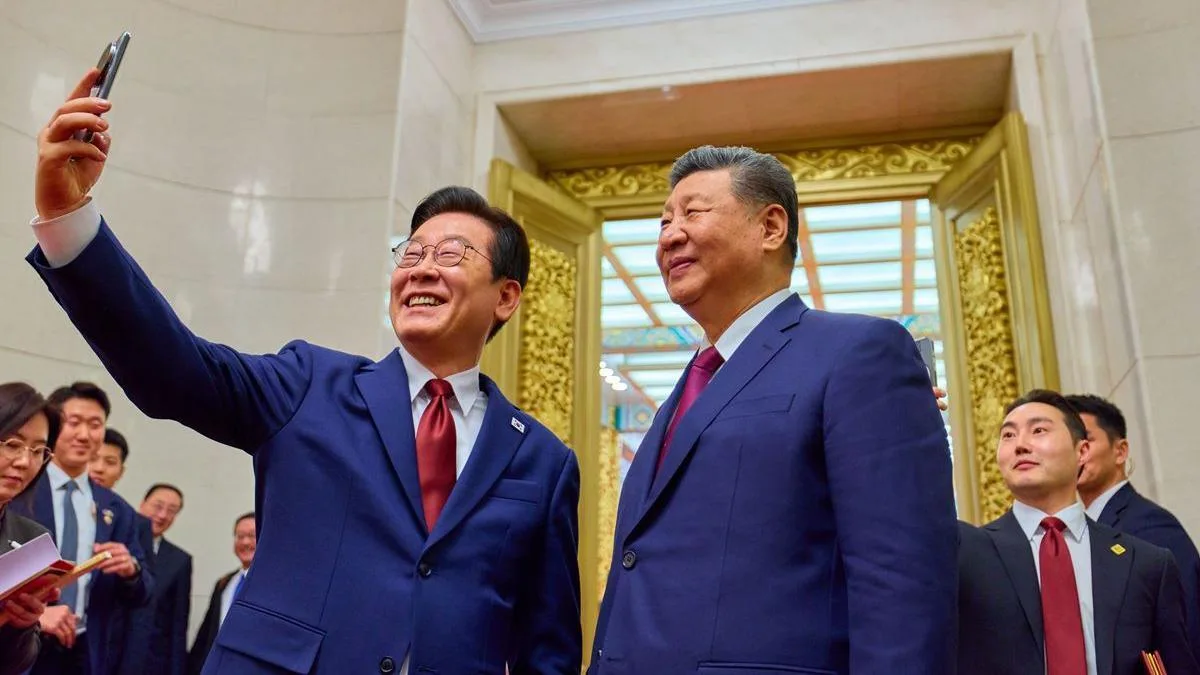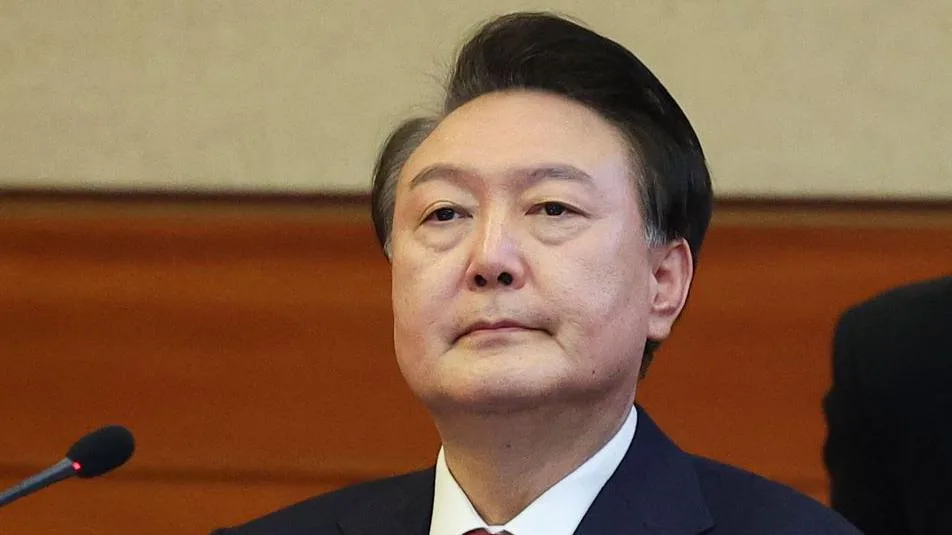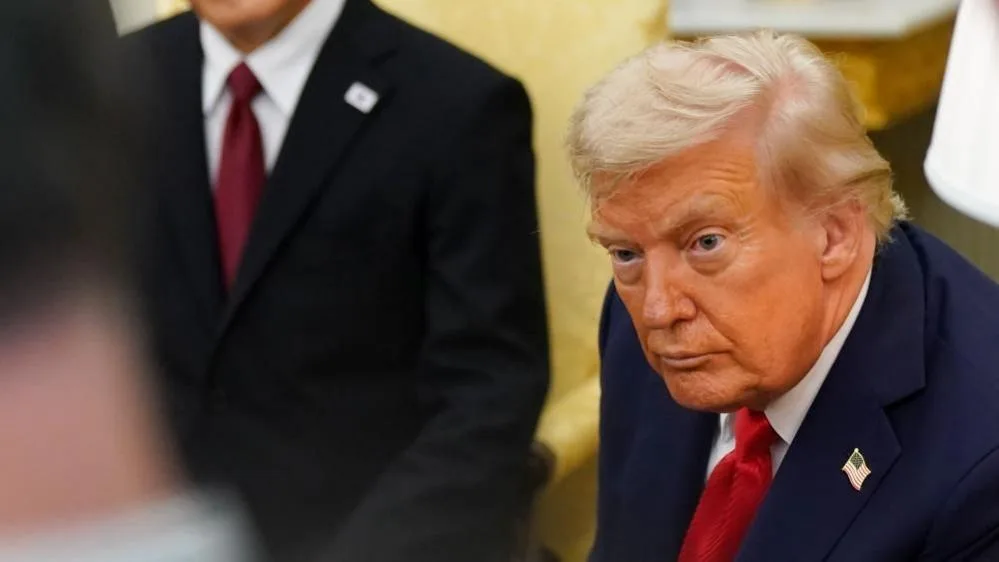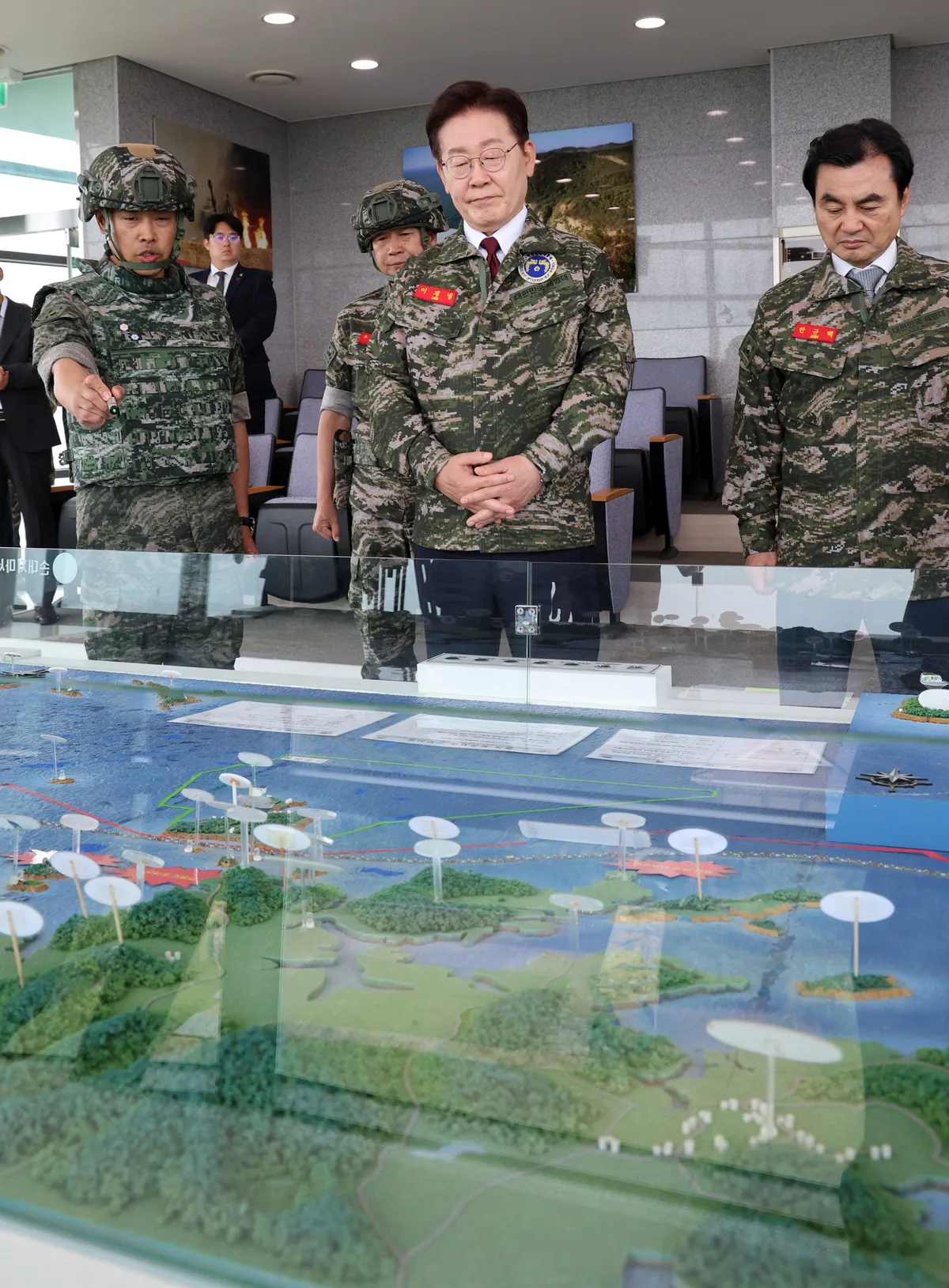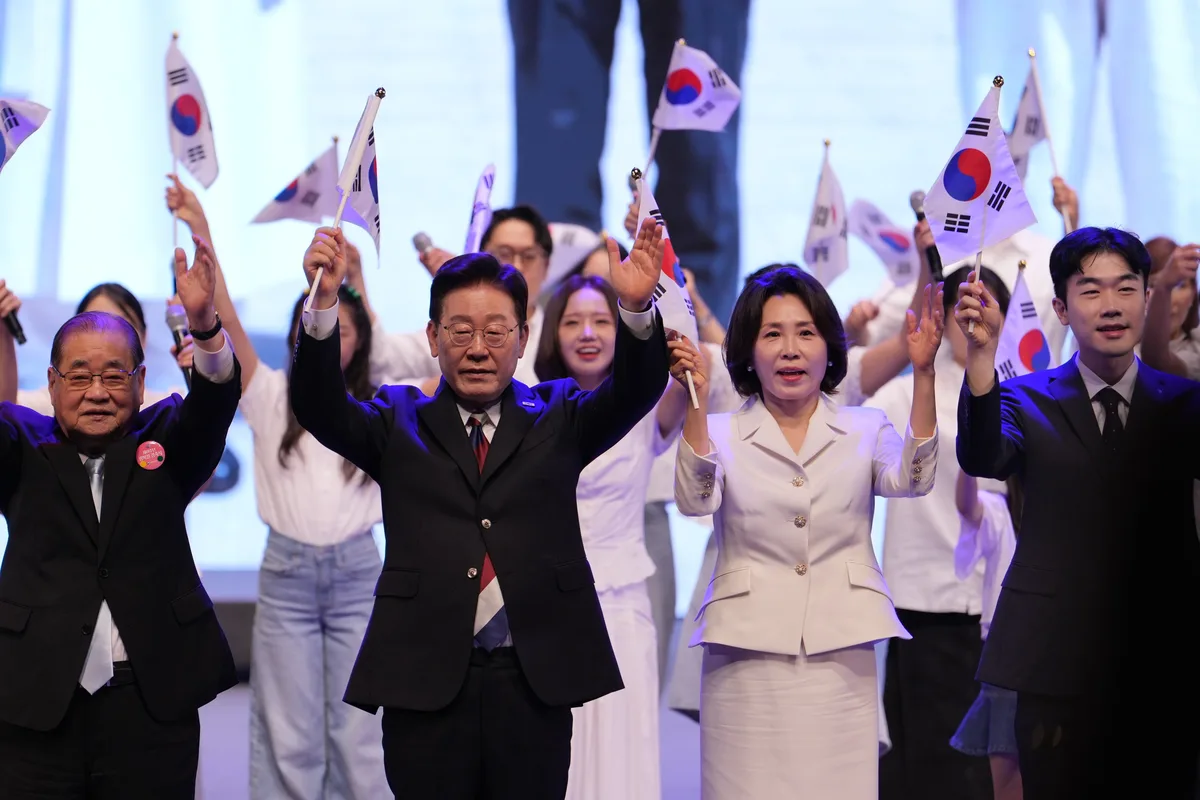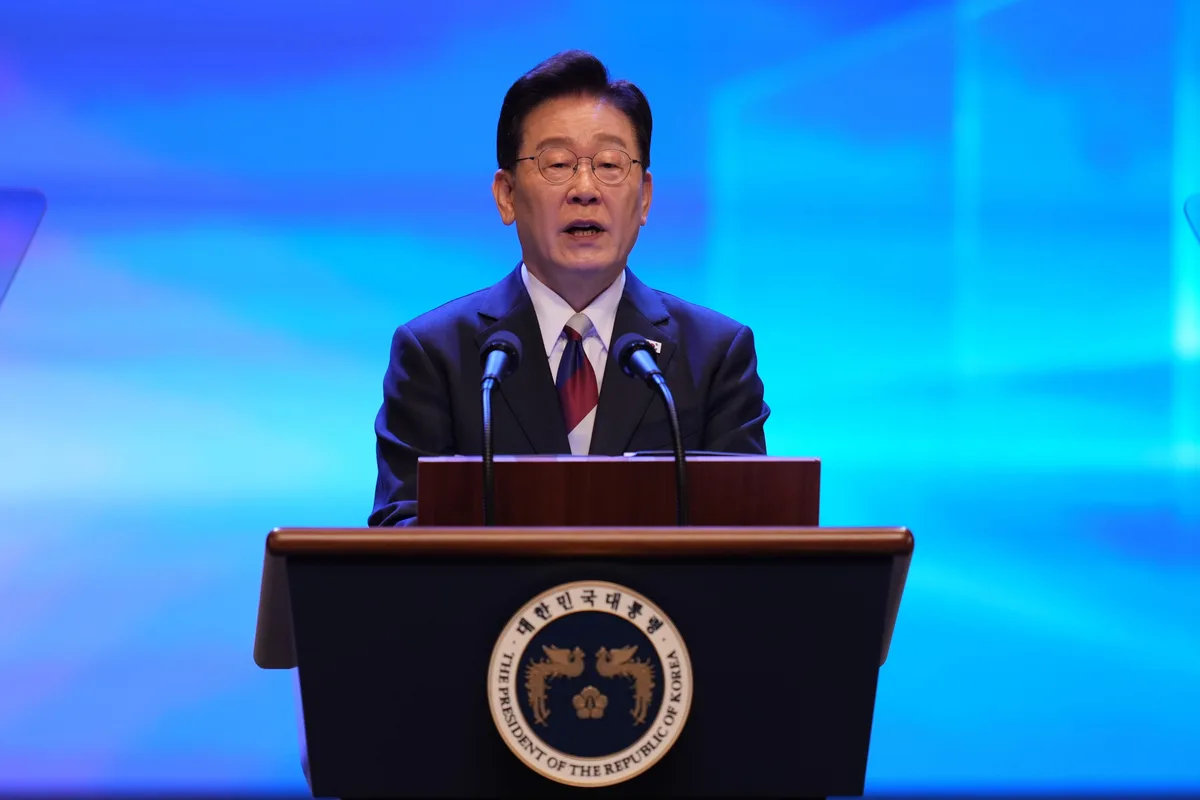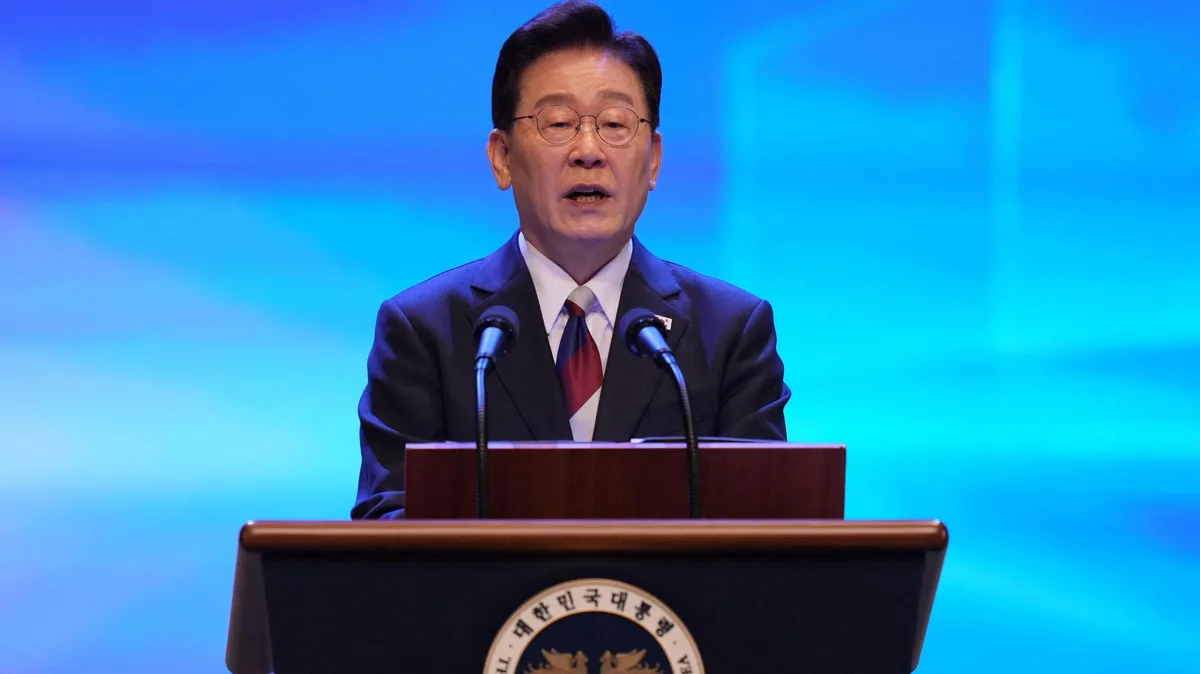
South Korean President Lee Jae Myung proposed on August 15, 2026, initiating talks with North Korea to formally end the Korean War, which has technically remained unresolved since the 1953 armistice instead of a peace treaty [1, 2, 3, 4]. Speaking at the 81st Liberation Day ceremony, Lee said he wanted to replace the unstable armistice with a permanent peace regime to seek peaceful coexistence and mutual growth between the two Koreas [1, 5, 3, 4].
"Let us put down our intentions to threaten each other and begin discussions to end the long-running war as the directly involved parties," Lee said [1, 5]. He also highlighted the potential to discuss practical measures to halt North Korea's advancing nuclear capabilities, stating, "Through this, it may also be possible to discuss effective measures to halt the advancement of North Korea’s nuclear capabilities" [2, 3].
Since taking office in June 2025, Lee’s administration has adopted a more conciliatory policy towards the North, proposing talks without preconditions and seeking peaceful coexistence while moving away from prior hardline stances [1, 6, 5, 3]. He also suggested a multi-layered security system and preemptive steps to prevent escalation along the Demilitarized Zone, aiming to reduce risks of military flare-ups [1, 3].
North Korea has declared itself a nuclear state since 2022 and has dismissed earlier engagement offers while continuing nuclear weapons production and missile tests [1, 6, 5]. The North condemned upcoming joint US-South Korea military drills set for early August 2026 as provocations and has increased military cooperation with Russia, including troop deployments and aid [6, 5, 7]. Its leader, Kim Jong Un, abandoned Pyongyang’s previous reunification policy and labeled South Korea its most hostile state [5, 7].
Lee also emphasized improving diplomatic relations with Japan despite historical conflicts, envisioning a new era of cooperation in the region [8, 3, 7, 4].
The talks proposed by Lee aim to formally end the Korean War, halt nuclear escalation, and build peaceful coexistence mechanisms. The initiative was announced on South Korea’s national Liberation Day, which commemorates the end of Japanese colonial rule 81 years ago [1, 8, 3, 4].