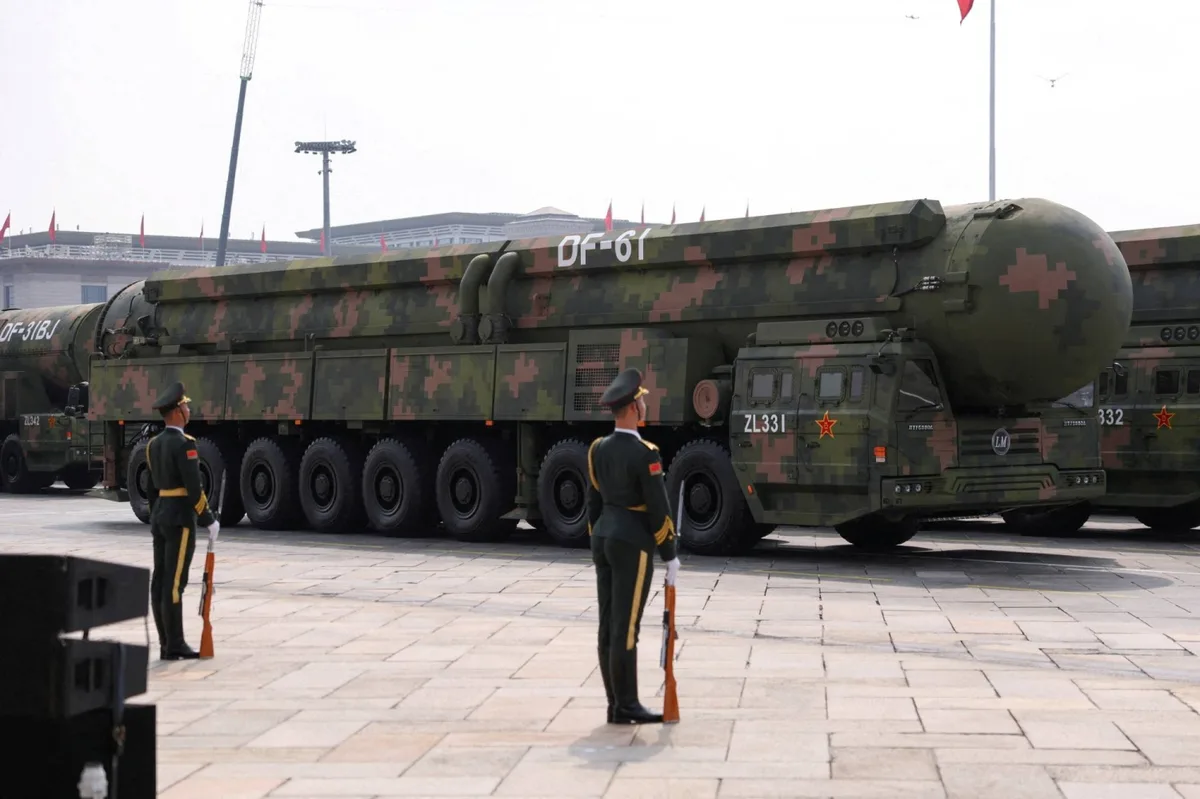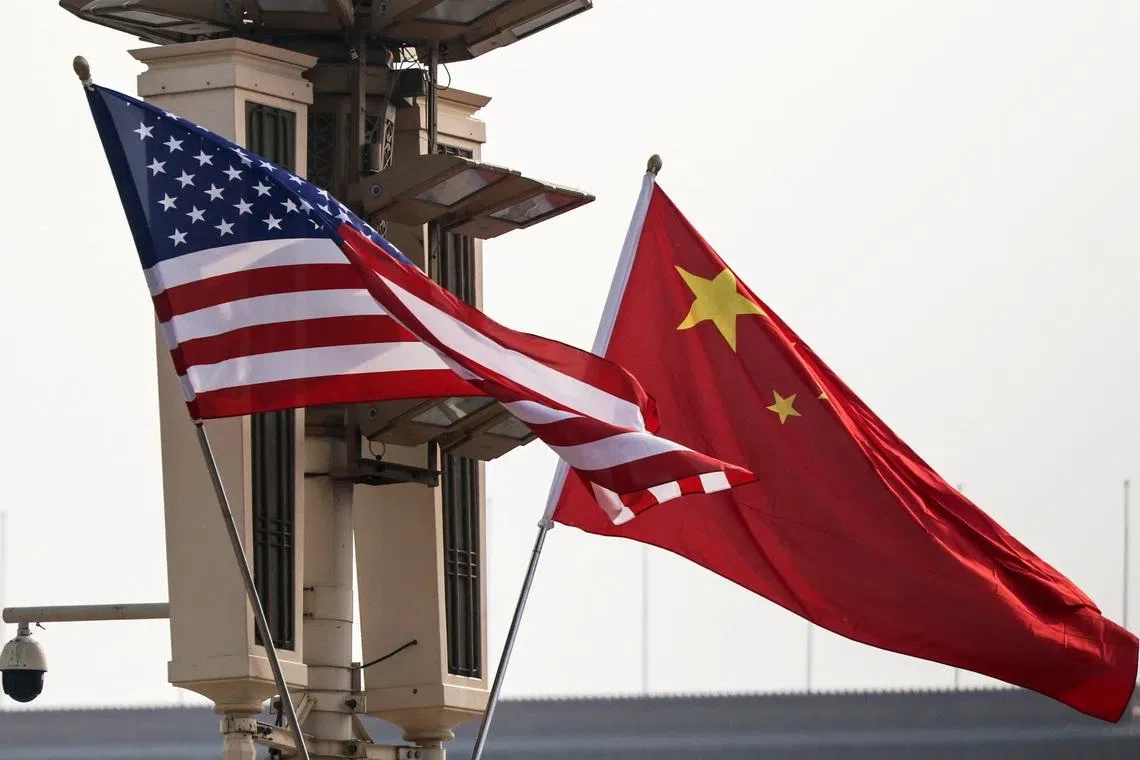
The London-based International Institute for Strategic Studies (IISS) released a 156-page strategic assessment on May 28 warning that a conflict between the US and China over Taiwan risks escalating to nuclear levels with sweeping military operations targeting rival command and communications hubs [1, 2, 3].
The report was issued ahead of Asia’s largest annual defense meeting, the Shangri-La Dialogue, held in Singapore from May 29 to 31. The conference typically draws ministers, generals, intelligence chiefs, diplomats, analysts, and weapons makers from across the region [1, 2].
The IISS assessment describes a tense strategic environment in the Asia-Pacific with regional states expanding nuclear arsenals and non-nuclear countries developing long-range conventional strike capabilities, challenging overall strategic stability [1, 2, 3]. It states that the world is on the cusp of a new nuclear arms race centered on this region [1, 2, 3].
The report outlines differing military aims if conflict breaks out over Taiwan: China seeks to deter the United States and its allies, while the US aims to bolster Taiwan’s resilience [1, 2]. Taiwan’s strategic importance to Beijing raises the risk of escalation to nuclear conflict [1, 2].
China has increased military pressure around Taiwan, refusing to rule out the use of force but emphasizing a preference for peaceful reunification. Meanwhile, Taiwan has rejected Beijing’s sovereignty claims and remains on high alert following a summit between Chinese President Xi Jinping and US President Donald Trump held in Beijing earlier in May 2026 [1, 2].
US Defence Secretary Pete Hegseth was scheduled to speak at the Shangri-La Dialogue on May 30, while China had not confirmed attendance by Defence Minister Dong Jun [1, 2].
The conference and report underscore the growing military tensions in the region as key powers prepare for possible conflict over Taiwan. The next key diplomatic event will be ongoing talks and meetings following the Shangri-La Dialogue, with attention on efforts to reduce risks of escalation.