Taiwan's government launched a new website on June 14, 2026, designed to recruit Chinese nationals willing to provide intelligence tips through a secure online channel [1, 2]. The platform features a one-minute AI-generated video showing a Chinese civil servant witnessing colleagues being investigated and removed from their posts. The video ends with the message, "Now is the time to change," aiming to resonate with potential informants [1, 2].
Taiwan's National Security Bureau stated that worsening economic conditions and strict political control in China have fueled public discontent. "Coupled with a growing range of social and livelihood-related problems, these conditions have fuelled public discontent. As a result, an increasing number of individuals have approached relevant agencies in Taiwan, wishing to provide various types of information," the bureau said [1].
While the website is blocked inside China, many Chinese nationals circumvent censorship using virtual private networks (VPNs) to access it [1, 2]. Taiwan’s move mirrors tactics used by intelligence agencies in the United States, Britain, and Israel, who have also employed digital tools to recruit informants within rival states [1, 2].
The campaign comes amid broader espionage-related tensions. In 2024, China set up an email address to collect reports on crimes committed by Taiwan "separatists," employing a similar approach to Taiwan's new website [1, 2].
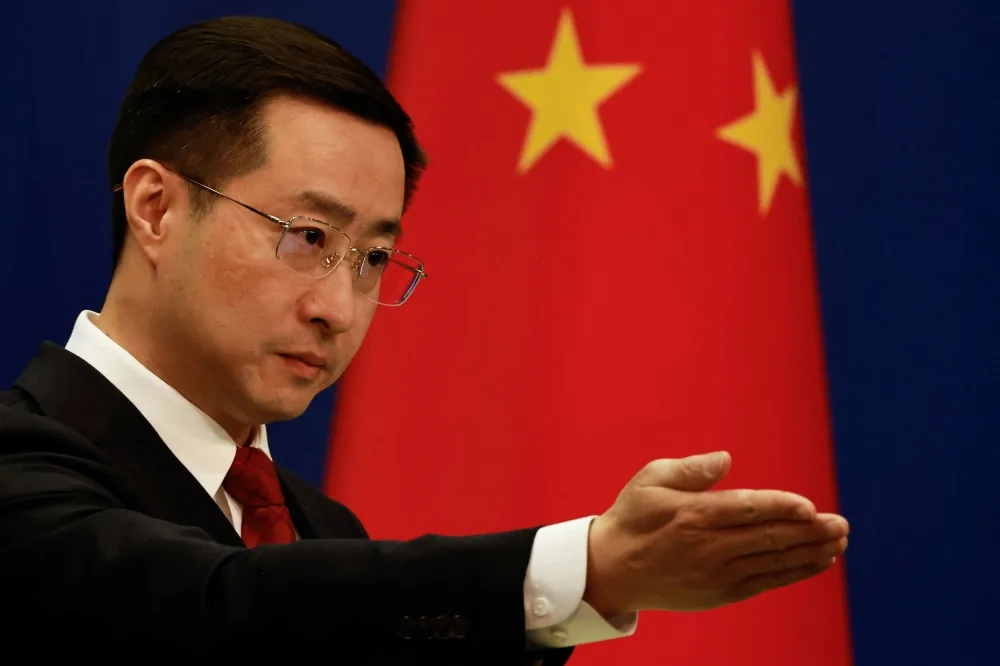
On June 3, 2026, Chinese authorities detained Min Zin, an American political analyst, on suspicion of espionage linked to his work with the Institute for Strategy and Policy Myanmar (ISP-M) at Kunming airport in Yunnan province. The US consulate in Guangzhou was informed. ISP-M conducts research on Myanmar’s political and conflict dynamics, including China's influence in border areas [3]. Chinese foreign ministry spokesman Lin Jian said Min Zin "has been subjected to criminal compulsory measures on suspicion of engaging in espionage activities that endanger China’s national security" [3].
Taiwan rejects Beijing’s sovereignty claims over the island, affirming that only its people can decide their future [1, 2]. The new website is the latest step in Taiwan’s efforts to collect intelligence directly from inside China amid increasing strategic rivalry.
The Chinese analyst’s detention and Taiwan’s website launch occurred within weeks of each other, as regional tensions escalate. Authorities in Taiwan say they will maintain and expand the secure reporting platform in the coming months to increase information flow from inside China [1, 2].