Taiwan started its annual Han Kuang 42 military exercise on August 5, which will run for 10 days and 9 nights and involve about 20,000 active and reserve troops [1, 2, 3]. The drills aim to validate Taiwan's sustained combat capability and readiness to defeat any full-scale invasion, according to Defense Minister Gu Lixiong, who said, "If real warfare occurs, our goal is to defeat the enemy and prevent a full-scale invasion" [1].
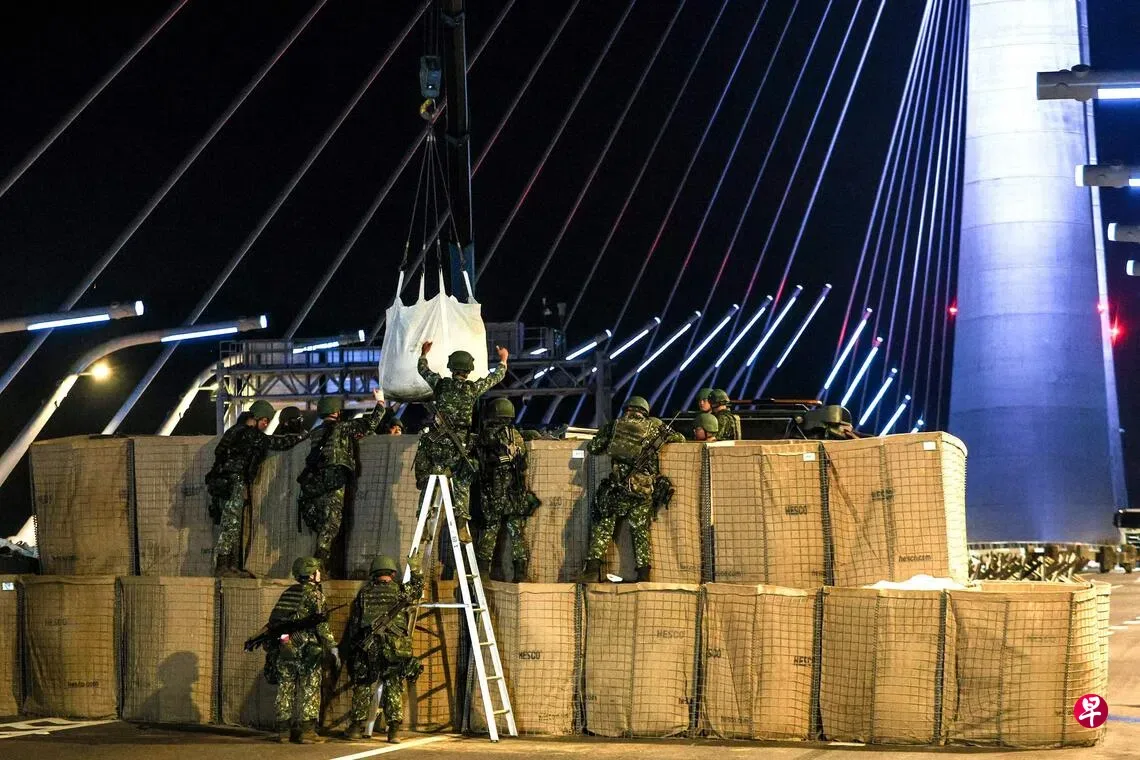
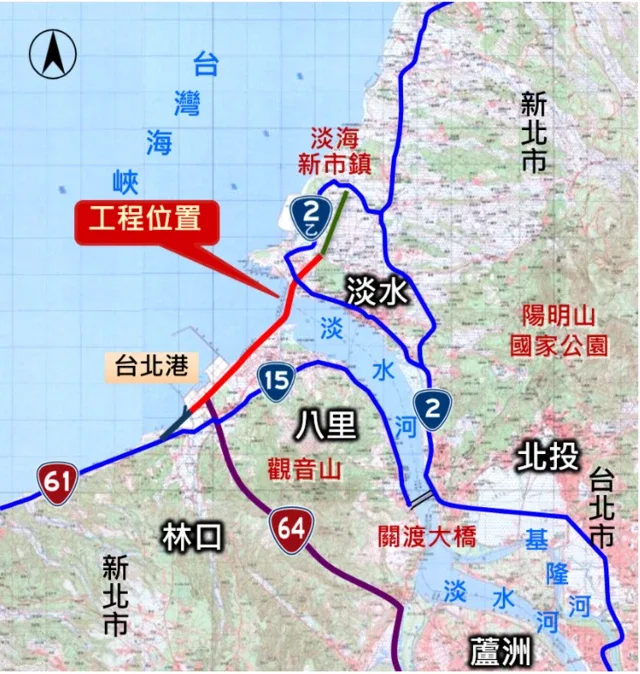
The exercise featured several firsts. On August 6, troops conducted a blocking operation on the newly opened Tamkang Bridge, placing obstacles and defensive positions to prevent enemy use of the bridge to access Taipei. Military expert Jieh Chung noted the strategic importance, saying, "If the CCP controls Tamkang Bridge combined with landing bases at Tamsui, Bali and Guanyin, it would form a large transport hub unfavorable to defending the capital" [1, 4, 3, 5, 6].
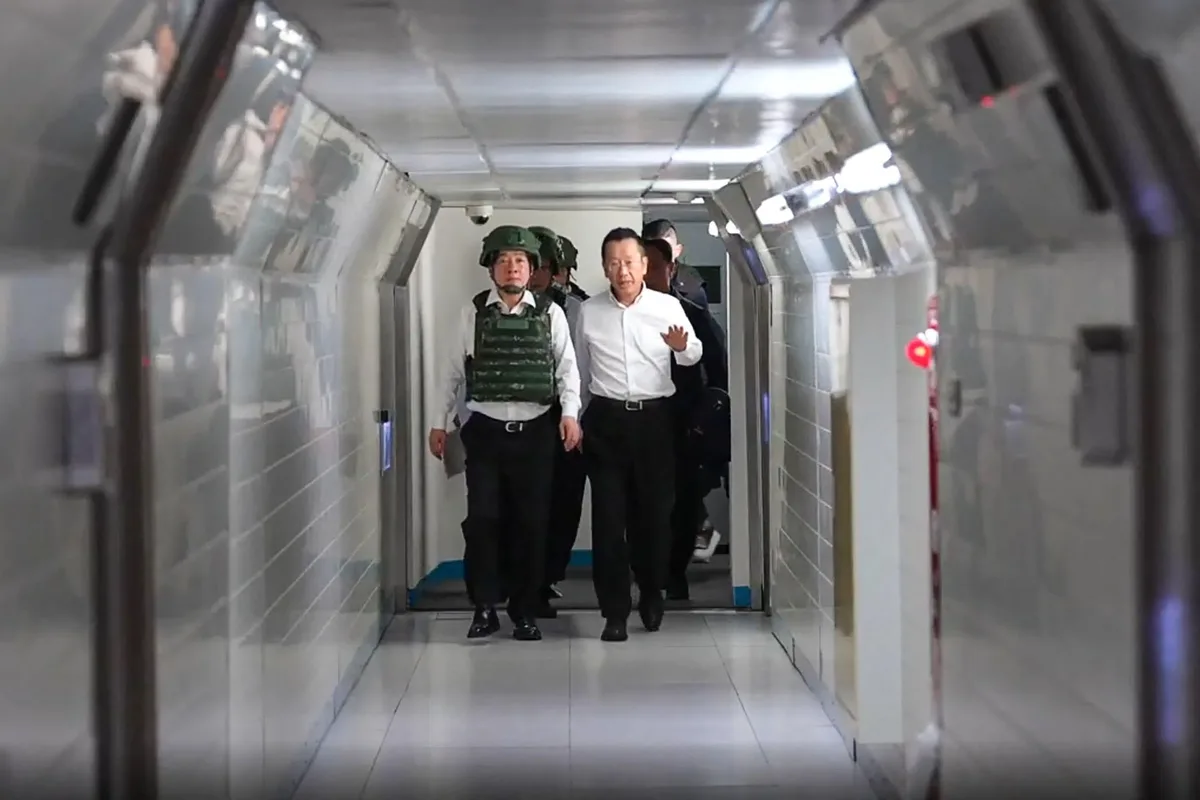
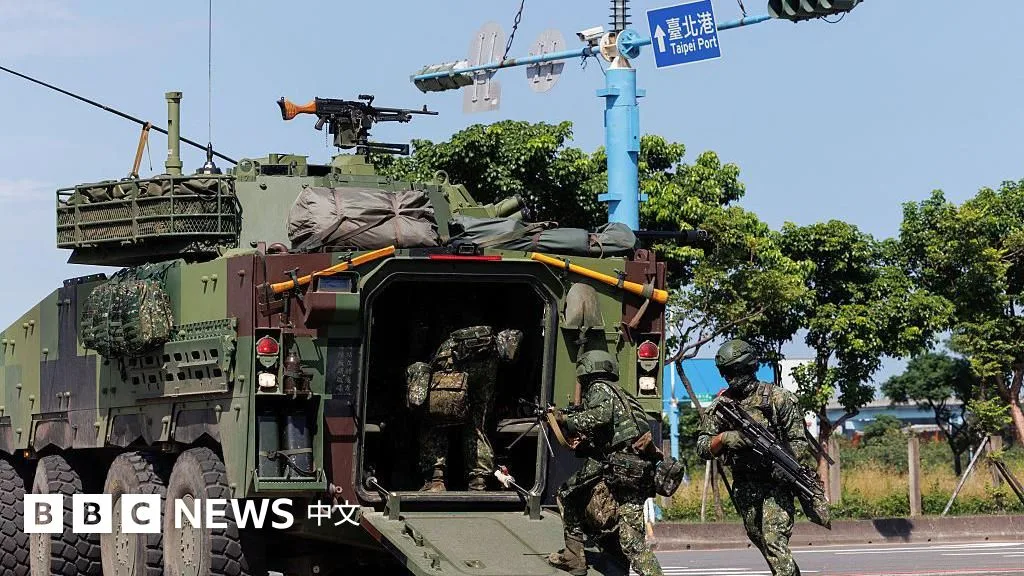
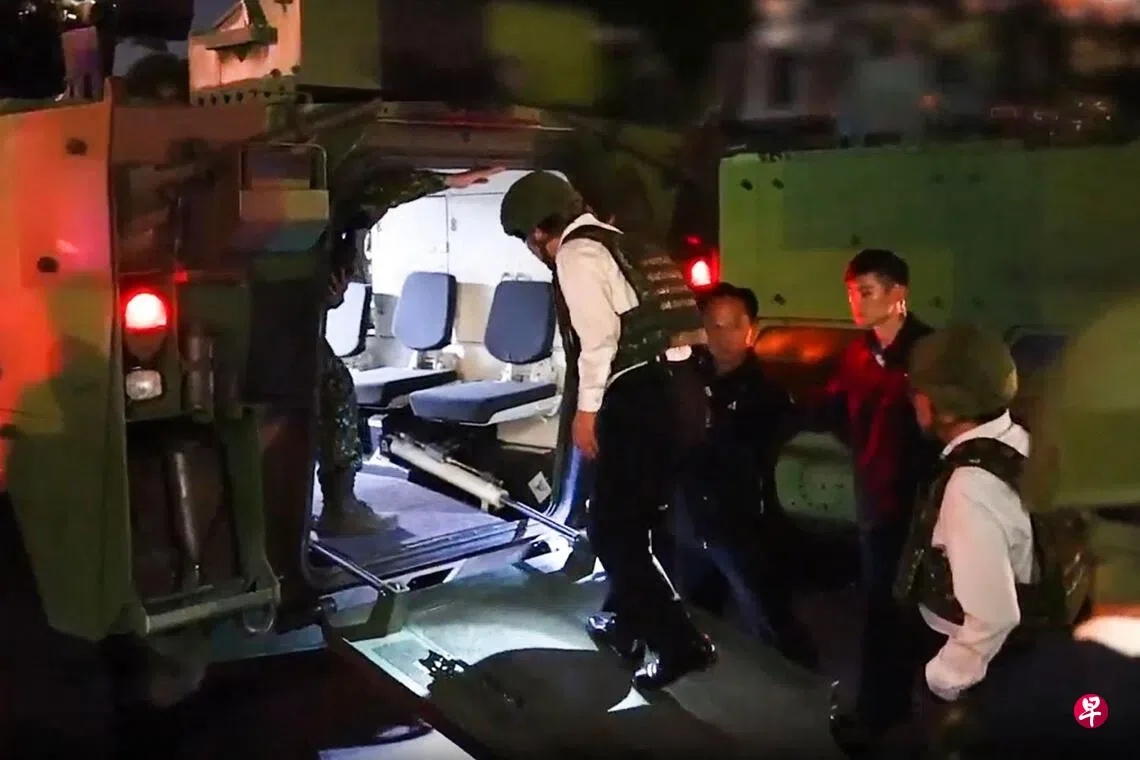
Also on August 6, Taiwan deployed the indigenous Tien Kung III surface-to-air missile system in Taipei city for the first time and President Lai Ching-te inspected coastal defenses in Bali. Lai personally participated in war-time command drills starting August 5, traveling by armored vehicle to the Military Headquarters. It was his first Han Kuang participation since taking office [2, 3, 5]. The exercise simulated protecting Taiwan’s leadership from an enemy "decapitation strike" using deceptive vehicle convoys [2].
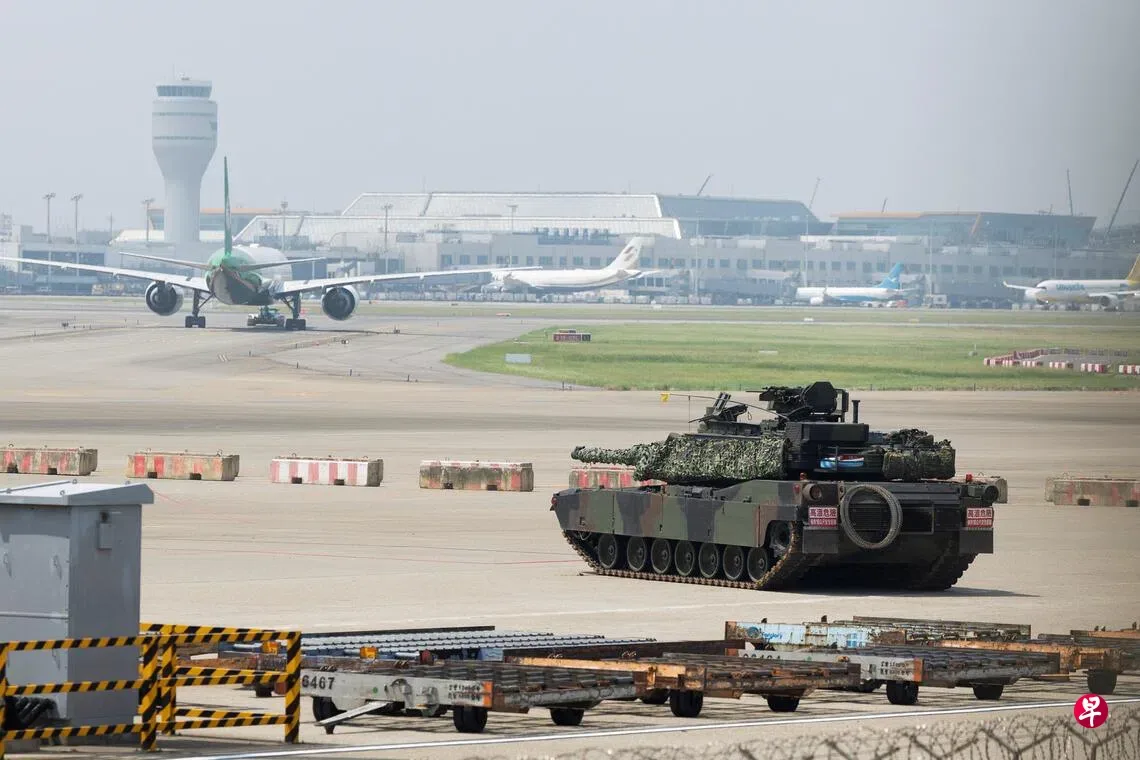
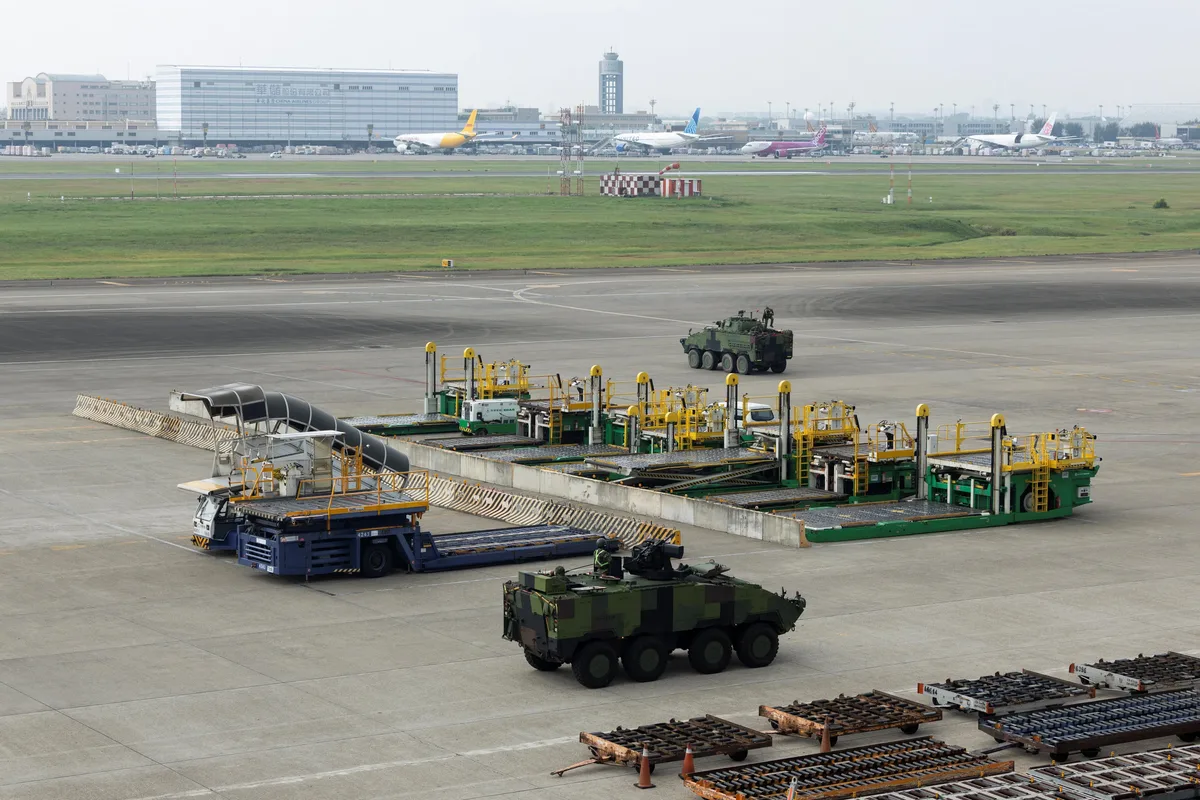
From August 7, the military deployed M1A2T Abrams main battle tanks for the first time in Han Kuang, using them in anti-airborne landing drills at Taoyuan Airport. Taiwan purchased 108 Abrams tanks in total [7]. The exercise also included the "Urban Resilience" air defense drill, running until August 13, which tested evacuations in 368 townships and districts and introduced a mobile network speed reduction drill impacting 17 million people in northern and central Taiwan. This drill restricted data bandwidth while maintaining voice and SMS to simulate communication during large-scale cyber attacks. Taiwan NCC official Liang Bozhou stated, "This is the first mobile network speed reduction exercise done in the high population regions of northern and central Taiwan to verify government and public response capabilities" [8, 9, 10].
The Kinmen region held live-fire drills on August 8, combining M60A3 tanks, Javelin missiles, mortars, and drone bomb drops for the first time. On August 9, the Army’s 58th Artillery Command demonstrated rapid relocations and precision strikes with M142 HIMARS rocket systems despite adverse weather [11, 12].
The exercise also simulated deploying obstacles along the Tamshui River waterways to block amphibious enemy advances toward Taipei, and tested war-time shifts of weapons production from military to civilian factories to ensure sustained manufacturing capacity under attack. Major General Lu Wen-yuan said, "The urban resilience exercises will test joint operations between military, law enforcement and civil authorities while verifying weapons production line shifts to civilian factories under wartime conditions" [1, 6].
Increasing defense collaboration with the US was evident, with more US personnel participating in the drills as part of formalized cooperation [1, 3]. The Han Kuang 42 exercise will continue through August 14, concluding the comprehensive drills across land, naval, air defense, and cyber domains.