Taiwan slowed mobile internet speeds in central Taiwan, including Taichung, on August 10, 2026, for the first time during its annual Han Kuang military exercises to simulate communication disruptions that could occur during a Chinese invasion or natural disasters [1, 2, 3]. Air raid sirens sounded in Taichung around 2:30 p.m., and residents cleared the streets for 30 minutes as part of the drills [2, 3].
During the throttling exercise, basic mobile phone functions remained operational. Key services like ATMs, traffic signals, emergency ambulance calls, landlines, and fixed internet services were unaffected [1, 2, 3]. The government widely announced the exercise ahead of time through text messages in Chinese and English and social media to prepare the public [1, 2, 3].
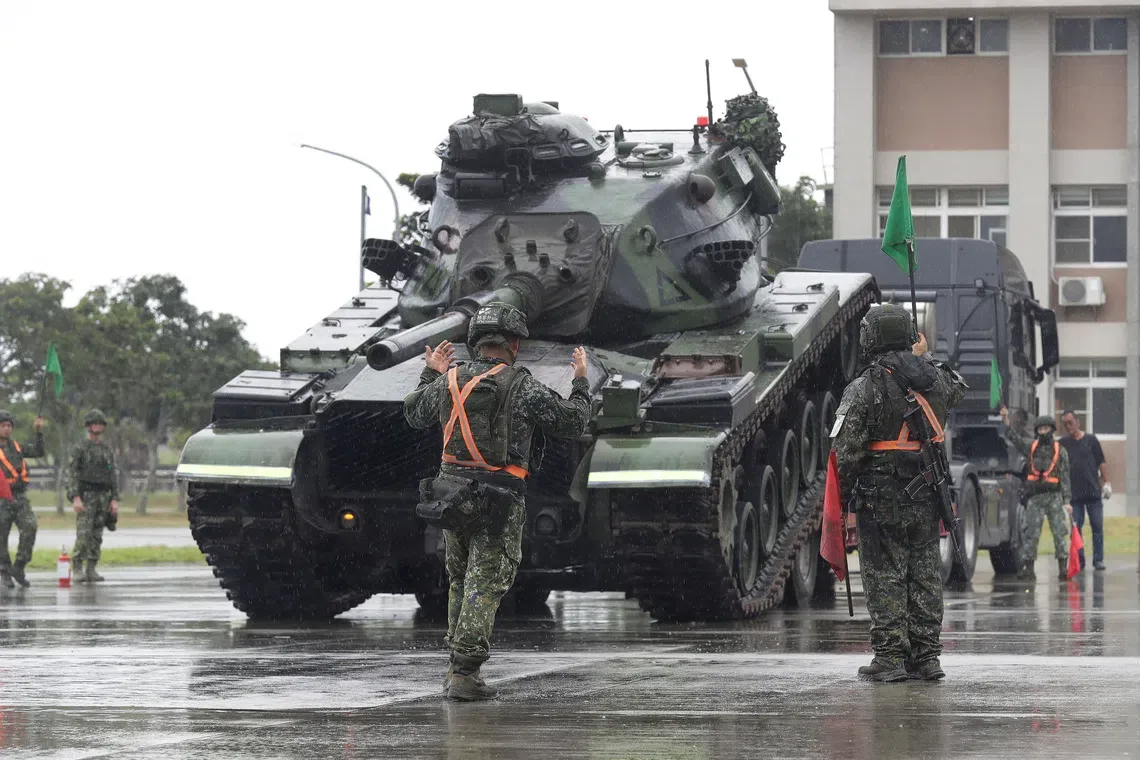
Taiwan’s military earlier on August 10 simulated repelling a Chinese air landing assault on the strategically important Penghu Islands in the Taiwan Strait. Troops used M60A3 tanks, artillery, and anti-aircraft guns to stage a multi-layered defense against a rapid coastal landing. Military reservists from Penghu took part as part of their 14-day training to improve reserve force readiness [1, 2, 3].
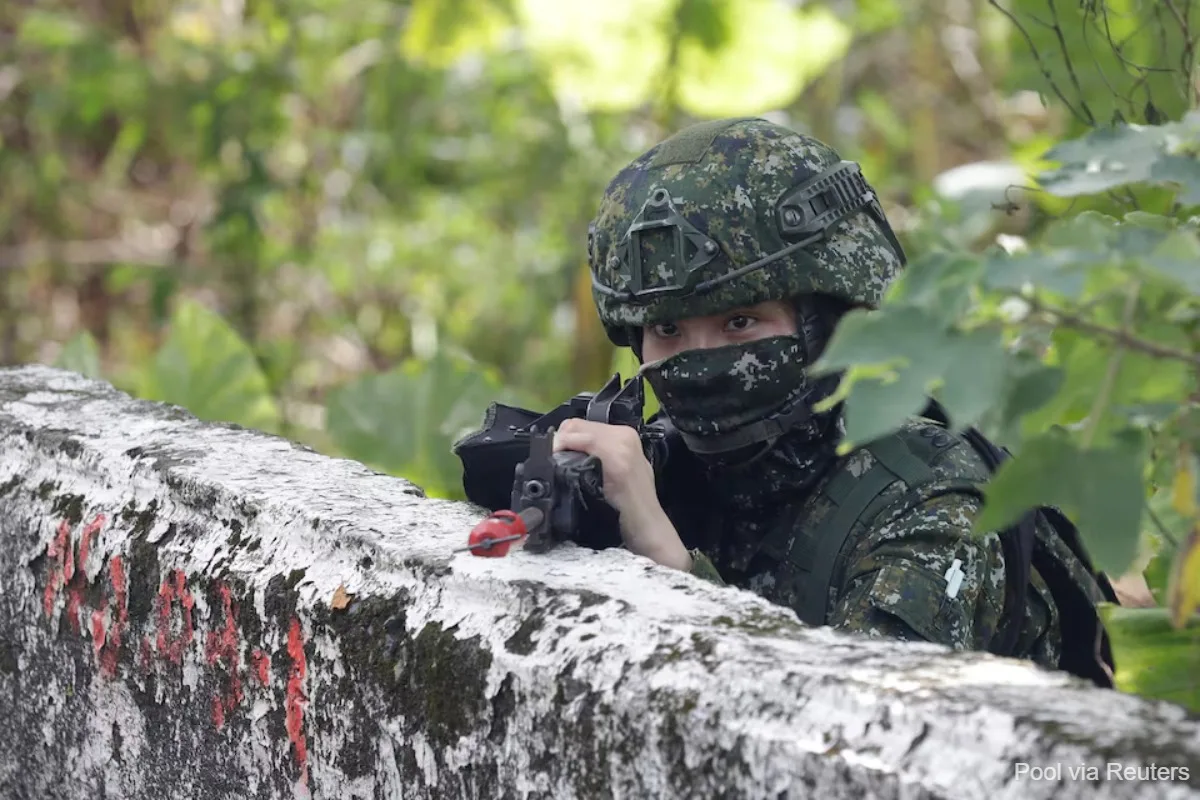
The 10-day Han Kuang drills began the previous week and rehearse various scenarios of a potential Chinese invasion attempt [1, 2, 3]. The government rejects Beijing’s sovereignty claims, saying Taiwan’s people alone decide their future [1, 2, 3].
Local residents conveyed mixed feelings toward the internet throttling. Lin Hong-chun said the drill helps people understand the situation and how to respond, citing the internet losses in the Russia-Ukraine war [2]. Yen Po-ting said she would rather experience the drill indoors, describing being outside as painful [2].
Northern Taiwan, including Taipei, will undergo a similar mobile internet throttling exercise on August 13, 2026 [1, 2, 3].