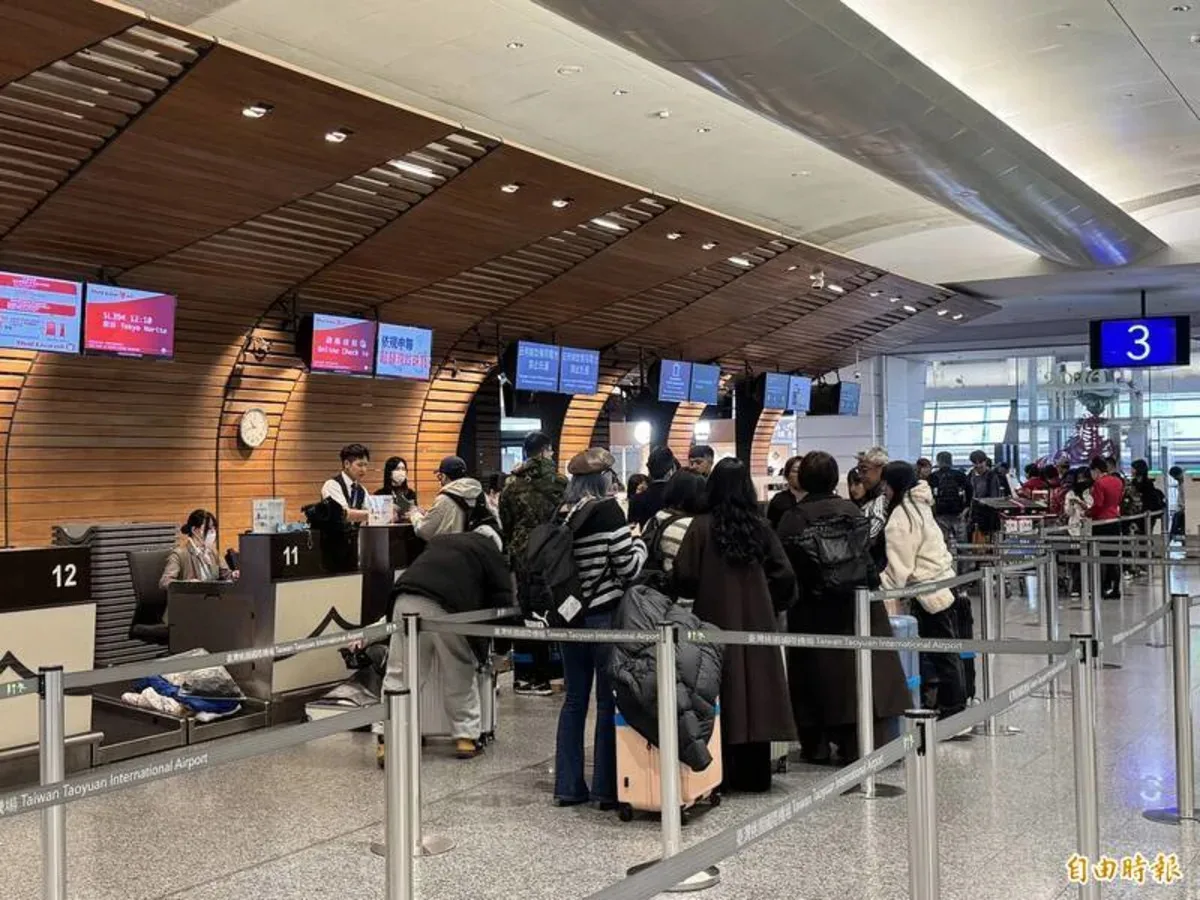
A young Taiwanese man was detained and interrogated for about six hours by three plainclothes officers upon entering Shanghai. Authorities questioned him because he had previously worked at Amnesty International, a group Beijing considers hostile [1, 2, 3, 4].
The interrogation included demands to unlock his phone and review chat records, photos, emails, and documents related to Amnesty International work. The man stressed his role had been non-political and in the past, and that his current trip to Shanghai was for legal business with no political intent [1, 3, 5, 6, 4].
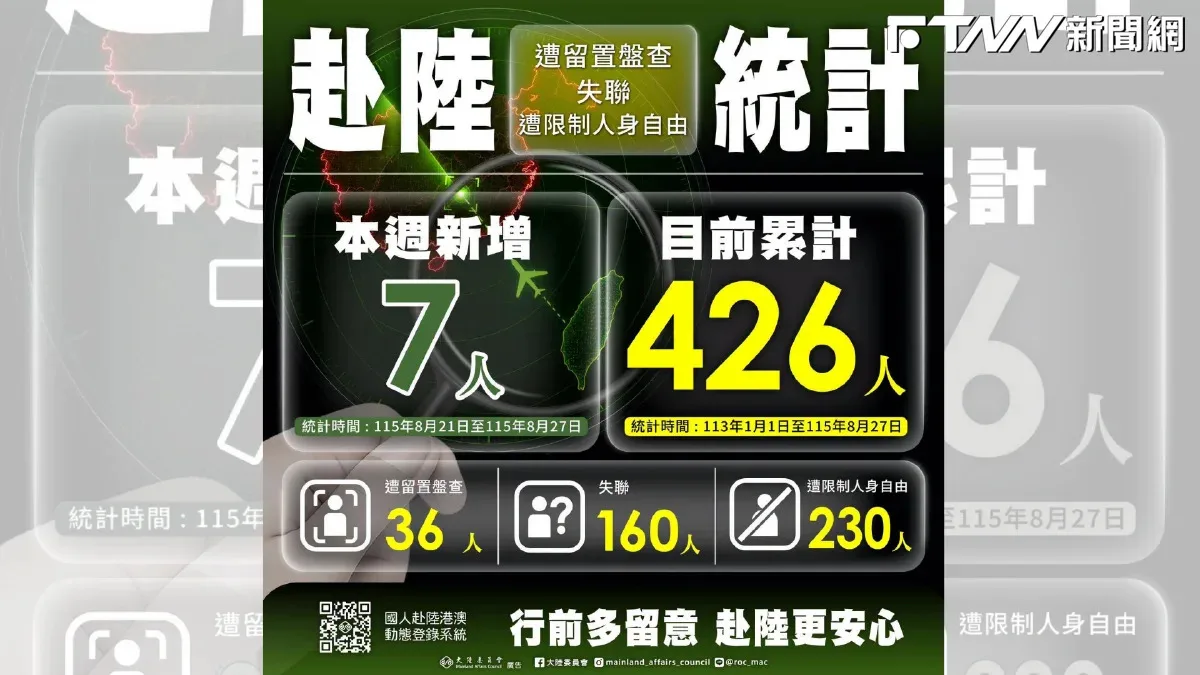
The individual eventually gave up on entering China and returned safely to Taiwan, according to family members [2, 3, 7, 6]. Taiwan's Mainland Affairs Council confirmed that this incident resembles prior cases where Taiwanese with NGO backgrounds faced heightened risks in China. A council spokesperson warned Taiwanese people not to underestimate dangers when involved in related activities before traveling to the mainland [1, 8, 9, 2, 3, 6].
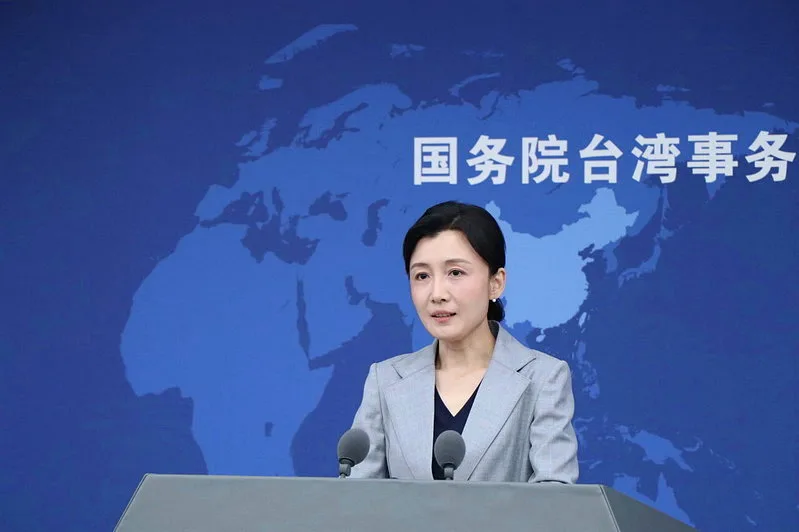
At a September 2 press conference, China's Taiwan Affairs Office spokesperson Zhang Han defended the border inspection. Zhang described Amnesty International as "a pawn of anti-China forces" spreading falsehoods about China and said reviewing travelers with past ties to the group is "completely reasonable and legal" [1, 10, 11, 8, 12, 4]. He added that in 2025, Taiwanese made over 4.89 million visits to China, with 2.85 million in the first half of 2026, and that law-abiding Taiwanese travelers remain welcome [1, 12, 4].
Amnesty International's Taiwan branch secretary-general Qiu Yiling said the organization could not verify the detainee's identity but noted no previous incidents like this had been reported. She reiterated the group's usual advice against working in or traveling to China or Hong Kong due to risks [2, 3, 7, 12, 5, 4].
China is set to implement new Exit-Entry Administration Rules starting September 15, 2026, which will broaden outbound travel restrictions for reasons including technology export controls. This has raised concerns in Taiwan about increased surveillance and controls [2, 3, 12, 5, 4].