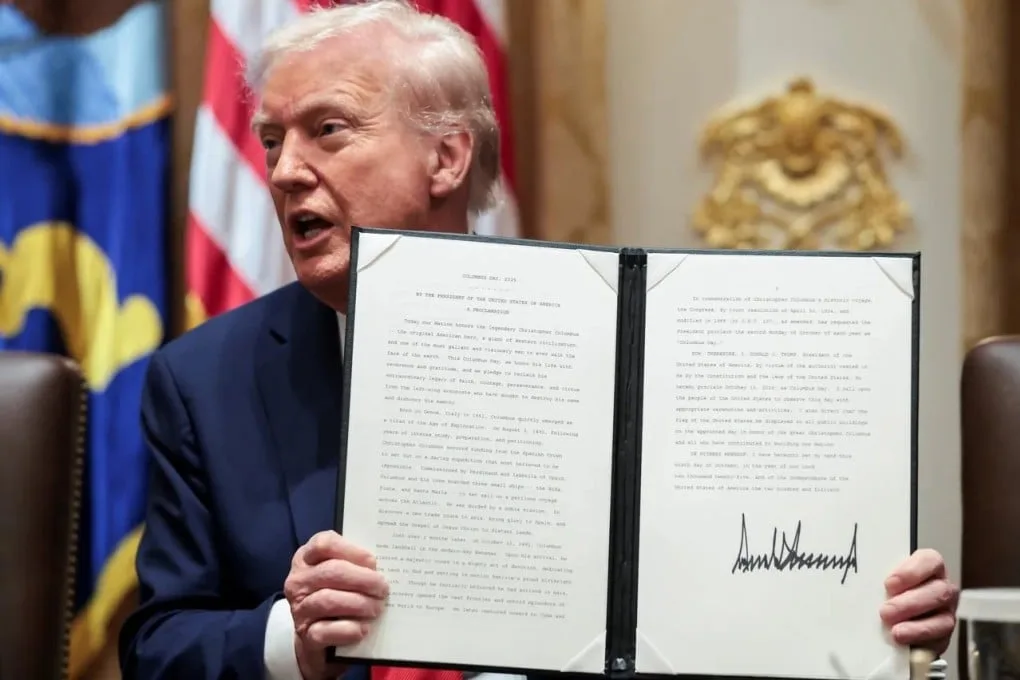
The Trump administration announced plans to redirect billions of US federal research and development funds annually from universities to individual scientists and AI-focused projects. This effort aims to restore US scientific leadership amid growing competition from China, according to a White House Office of Science and Technology Policy report released in July 2026 [1, 2].
The annual US federal R&D budget totals about $200 billion. The redirection does not increase overall spending but shifts some billions toward AI research and direct funding to individual researchers to reduce bureaucracy and accelerate innovation, using models like NSF graduate fellowships and NIH Innovator Awards [1, 2].
The report highlighted how China has reached parity with the US in R&D spending over the last 20 years by using a centrally coordinated approach to scientific research [1, 2]. The Trump administration publicly accused Chinese AI companies, including Moonshot, of stealing US AI technology via illicit large-scale AI model distillation. In July, Moonshot launched the 2.8 trillion parameter AI model Kimi K3, raising US concerns about technology theft [3, 2].
White House Chief Technology Adviser Michael Kratsios said, "Legitimate AI distillation used to create smaller, more efficient models plays a vital role in this open innovation ecosystem. Large-scale, covert industrial distillation aimed at stealing proprietary U.S. technology and undermining American research is unacceptable" [3]. OpenAI co-founder Greg Brockman cautioned it was too early to confirm if Chinese models derived from GPT and emphasized that distillation is a technical matter [3].
In addition, the Office of Management and Budget (OMB) proposed rules to expand political appointees' control over federal research grant approval and oversight, diminishing traditional scientific peer review. The proposal also opposes funding research related to diversity, equity, inclusion (DEI), or gender binary denial, and imposes new restrictions on foreign collaborations and researchers, especially from China and Russia [4, 2].
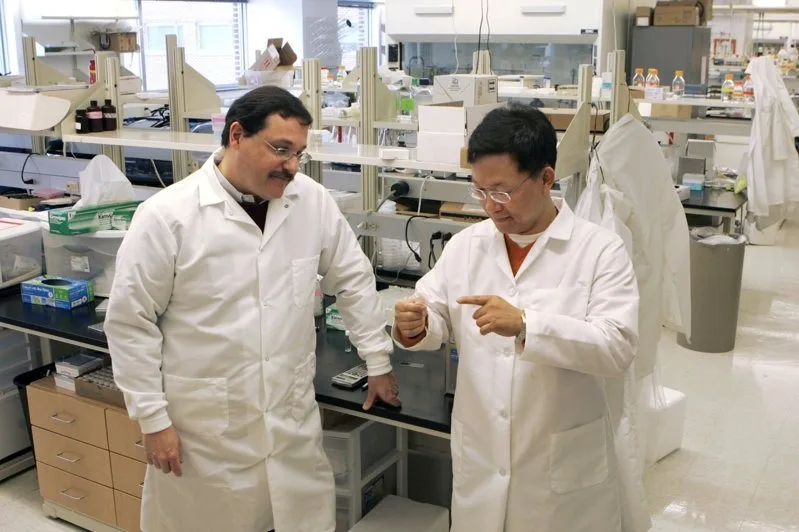
Scientific organizations and researchers have raised concerns these changes could undermine scientific independence, cause loss of talent, and disqualify about 49% of federally funded clinical trials. Steven Farber, a biology professor at Johns Hopkins University, warned that allowing politically appointed officials without scientific training to control funding will damage the peer review process and push top scientists to work abroad [4].
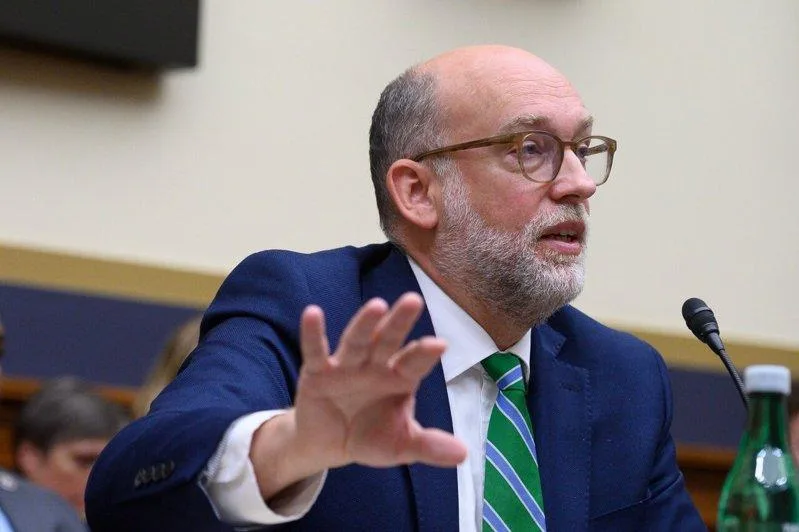
OMB Director Russell Vought denied the changes aim to blindly cut research funding. He stated the goal is to establish mechanisms to terminate grants misused to advance "far-left" agendas or illicit foreign collaborations. He cited one US-based nonprofit that passed NIH grants to the Wuhan Institute of Virology as an example of problematic funding [4].
The OMB released the new grant regulations proposal in May 2026 and plans to finalize them by October 1. The evolving policy prioritizes channeling funds directly to individual scientists and AI projects, while restricting certain research areas and foreign ties [4].