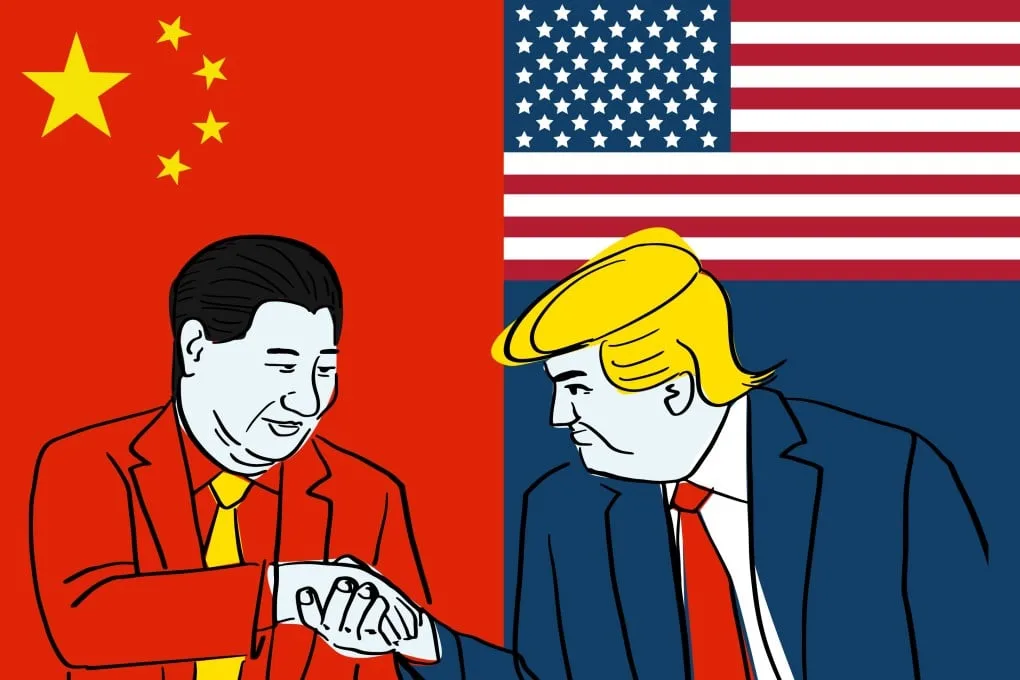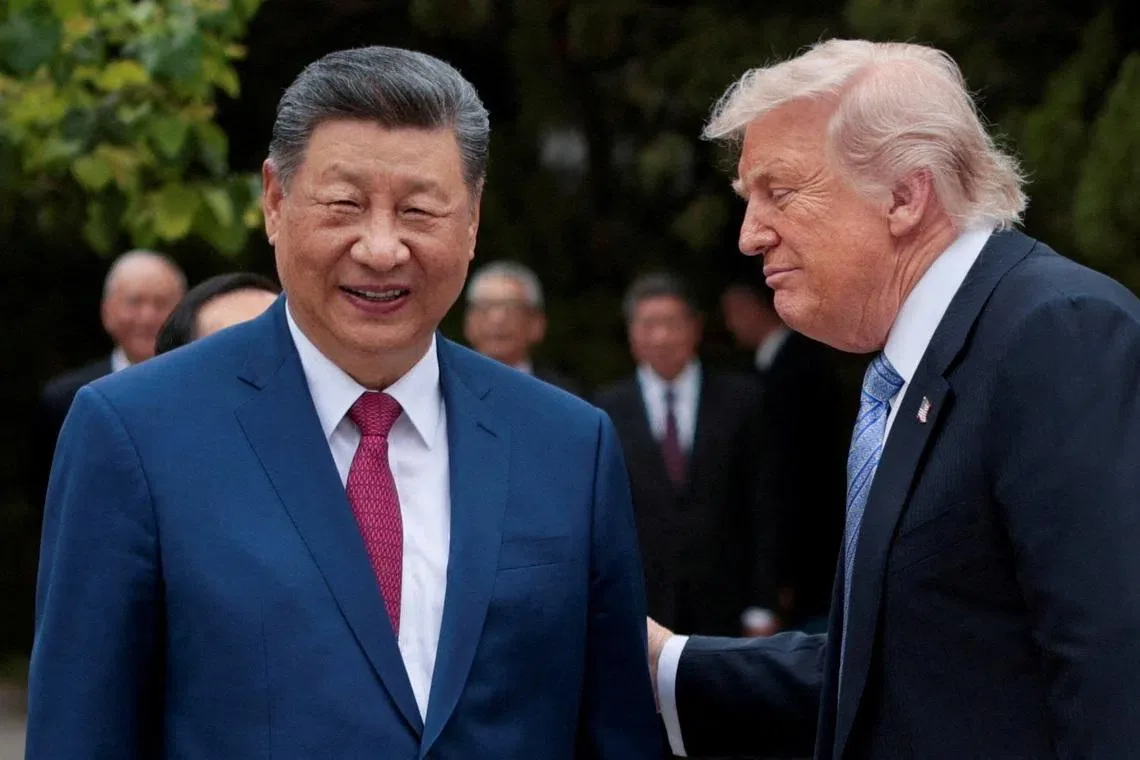
US President Donald Trump made a state visit to China in June 2026, where he adopted a warmer tone toward Beijing. He praised Chinese leader Xi Jinping as a "towering leader out of central casting" and endorsed Chinese students studying in America as well as China-linked acquisitions of US farmland [1, 2]. Trump described holding US arms sales to Taiwan "in abeyance" as a negotiating chip and spoke of forming a "G-2" relationship between the US and China as "the two great countries" [2].
Despite Trump's rhetoric, US government policies continue to impose tariffs, export controls, and technological restrictions on China [1]. Republican Congressman John Moolenaar advised caution, stating the US should "recognise [that] we don’t want to sell them our best technologies that could be used by their military against our men and women in the armed forces" [1].
US Secretary of State Marco Rubio has pushed the theme of "strategic stability" with China, a phrase he used after meetings with China's top diplomat in Malaysia in summer 2025 and reiterated in February 2026. The language was echoed during the Trump-Xi meeting in June 2026 [2]. Recent high-level visits by Trump and aides to Beijing, Rubio to India, and Defence Secretary Pete Hegseth to Singapore in August suggest regional recalibrations ongoing [2].
Pete Hegseth acknowledged "rightful alarm" in Asia over China's military buildup but stopped short of criticizing specific actions, saying "We respect their ambitions" without mentioning Taiwan [2]. Some experts view Trump's warmer rhetoric as largely transactional, with limited shifts to entrenched US policy due to bipartisan consensus on China risks [1].
The June 2026 visit marked a notable tone shift, but US policy restrictions remain firmly in place. The Trump administration faces internal pressures balancing engagement and guarding technological advantages. The next key developments will likely follow further diplomatic and security discussions planned later this year.