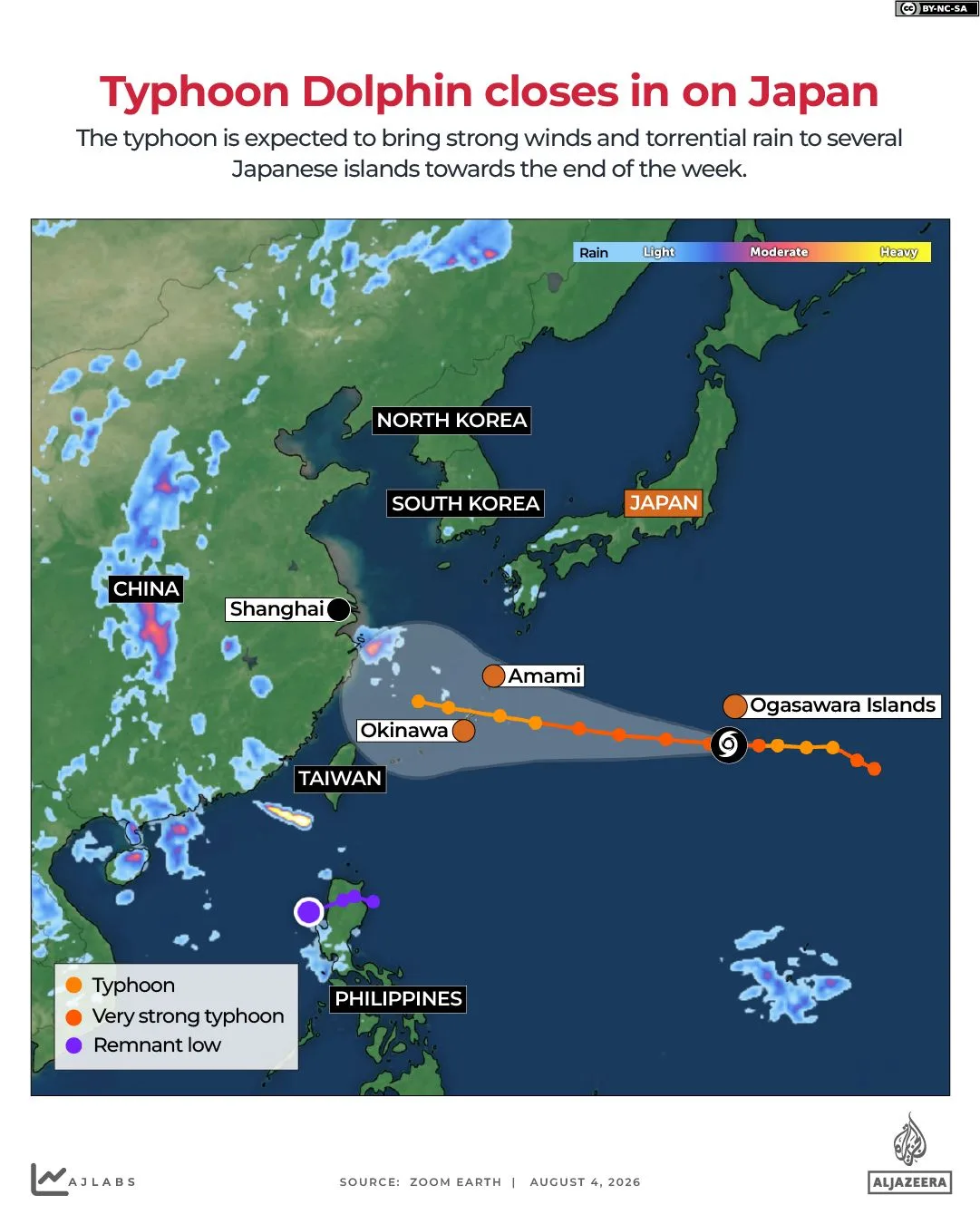
Typhoon Dolphin struck Japan’s southern Okinawa prefecture on August 8, injuring five elderly people with non-life-threatening injuries and causing power outages affecting 14,000 buildings [1, 2, 3]. The storm passed near Kume Island in Okinawa with maximum sustained winds of 162 km/h (100 mph) and gusts up to 216 km/h (134 mph) [1, 2, 3]. Okinawa and Amami Island in Kagoshima prefecture were the main areas affected in Japan [1, 2, 3].
Japan Airlines and ANA canceled flights to Okinawa, and Naha Airport closed all domestic and international flights due to the typhoon impact [1, 2, 3]. At 15 km/h northwest on the morning of August 8, the storm was located about 160 km northwest of Kume Island [1, 3].
In response to the approaching storm, China’s Zhejiang province raised its coastal typhoon alert to the highest level. Ports halted operations and 162 passenger ferry routes were suspended [1, 2, 3]. Ningbo Lishe International Airport will halt operations at 11:30 p.m. local time on August 8 and suspend all flights on August 9 [1, 2].
China is preparing for the typhoon’s expected landfall along the eastern and southern coast between Zhoushan (Zhejiang province) and Fuding (Fujian province) late on August 9 or early August 10 [1, 2, 3]. Heavy rain and strong winds are forecast through August 12 for eastern China, including Shanghai and neighboring provinces, with some areas of eastern Zhejiang expected to receive more than 600 mm of rainfall [1, 2, 3].
Taiwan canceled 63 international flights due to Typhoon Dolphin and expects heavy rain in northern parts over the weekend, though authorities have not ordered evacuations [1, 2]. China ordered vessels passing through the Taiwan Strait to comply with traffic control instructions, a directive condemned by Taipei authorities as "ridiculous" [1, 2].
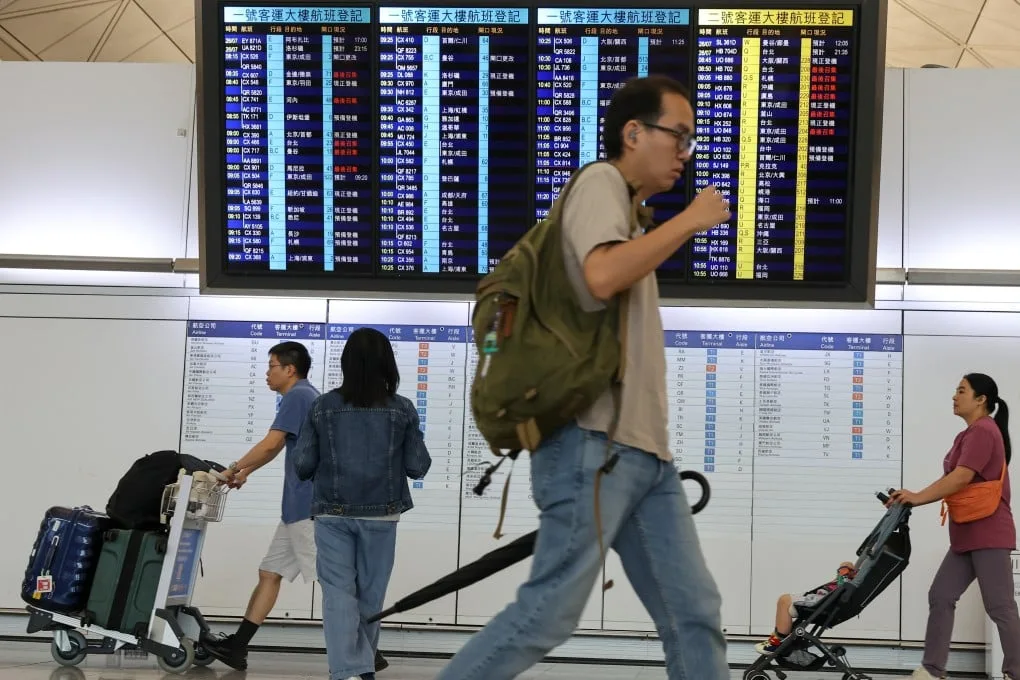
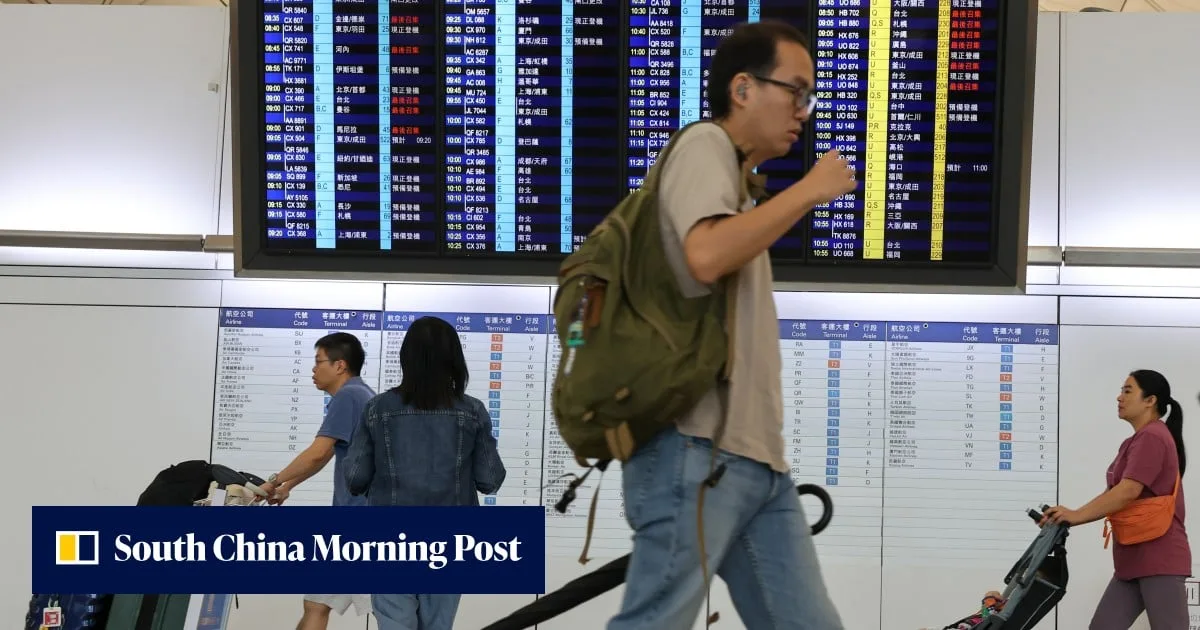
The typhoon disrupted flights between Hong Kong and mainland China, Taiwan, and Japan, cancelling at least 12 flights including routes to Okinawa, Ishigaki, Zhoushan, Ningbo, Shanghai, and Taipei [4]. Okinawa hotels and car rental operators reported business losses estimated between 500,000 and 1 million yen due to the storm [4].
Typhoon Dolphin first emerged as a tropical depression on July 26 and intensified to a strong typhoon by July 28 [3]. Ports at Shanghai's Yangshan were cleared of vessels on August 7 in preparation for the storm [1].
Ningbo Lishe International Airport’s shutdown late on August 8 marks China’s heightened readiness as the typhoon nears landfall along its coast [1, 2].