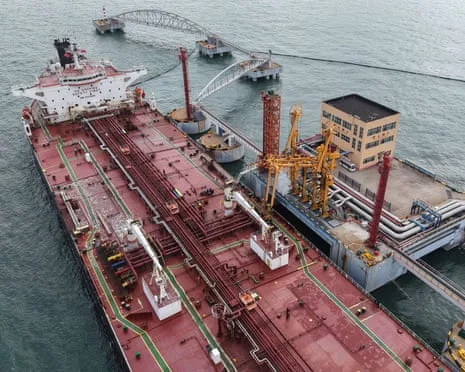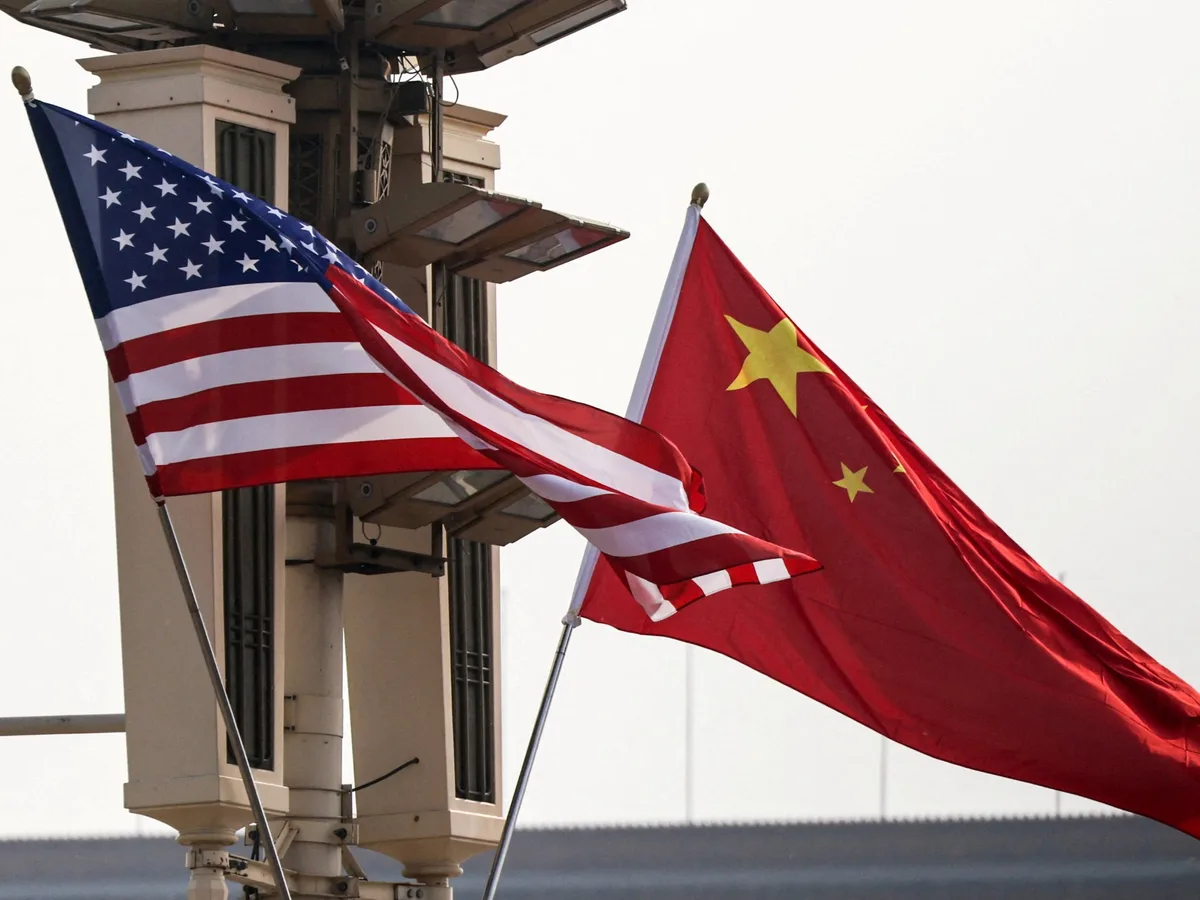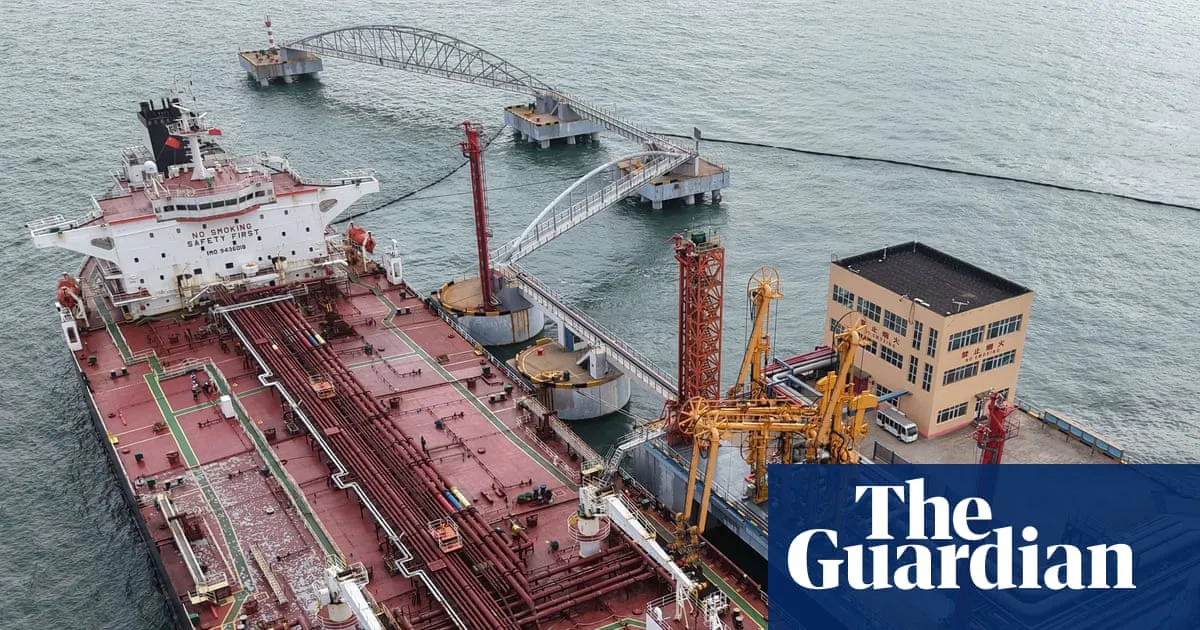
The United States announced expanded sanctions on August 24 targeting Iran and its trading partners, including about 60 Chinese individuals, entities, and vessels linked to Iran's oil trade and sanctions evasion networks [1, 2, 3, 4]. US Treasury Secretary Scott Bessent said those facilitating Iranian oil revenue risk being cut off from the US financial system but clarified no major Chinese financial institutions were named in the initial sanctions list [1, 2, 3, 5, 6]. He added, "Why would I want to blow up the global financial system?" [1].
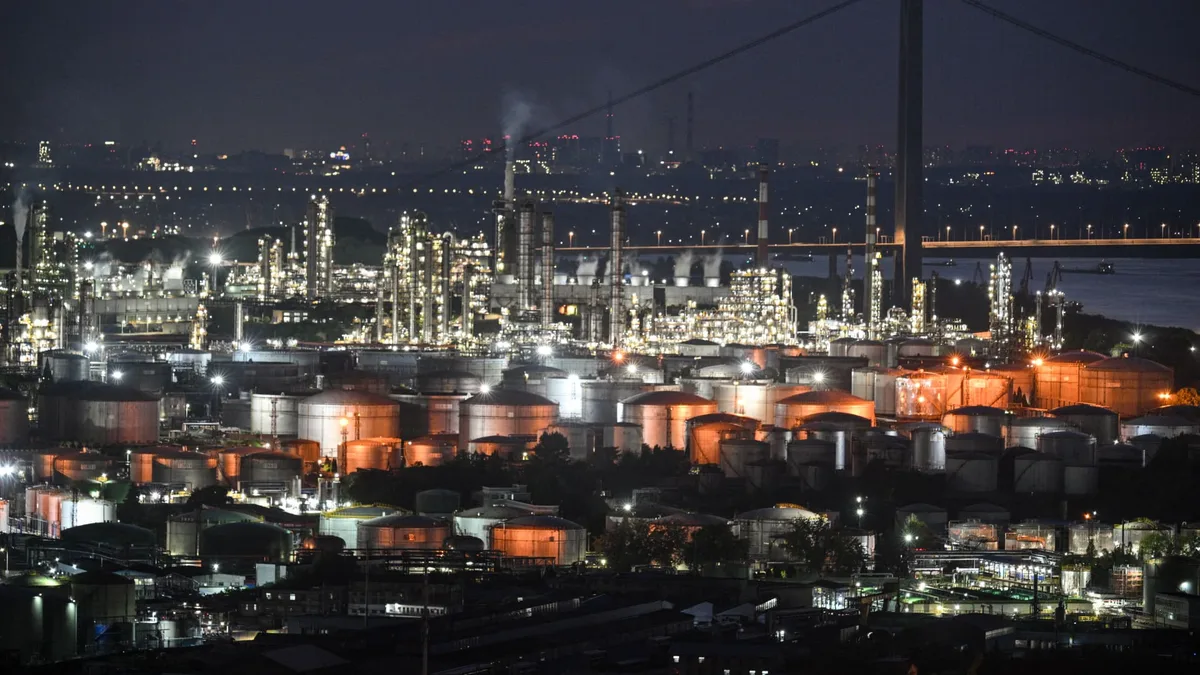
China, which imports 80-90% of Iran's oil exports and is Tehran's largest buyer, plays a critical role in Iran's economy amid sanctions [1, 5, 4]. China’s Foreign Ministry spokesperson Lin Jian stated, "Cooperation between China and Iran has always been conducted within the framework of international law and should not be interfered with or disrupted. China has already stated many times that it firmly opposes illegal unilateral sanctions. China will take all necessary measures to firmly safeguard its own rights and interests" [1]. He also warned that sanctions and pressure tactics only escalate tensions and hurt global economic growth and financial stability [7].
Iranian officials vowed to respond forcefully to the US sanctions. Economy Minister Ali Madanizadeh declared, "Our defence is no longer so defensive; the enemies should wait for an attack," while IRGC spokesperson Brig. Gen. Hossein Mohebbi threatened, "We will deliver heavy blows to US vital interests and energy chokepoints if Iran’s infrastructure is threatened" [2, 3].
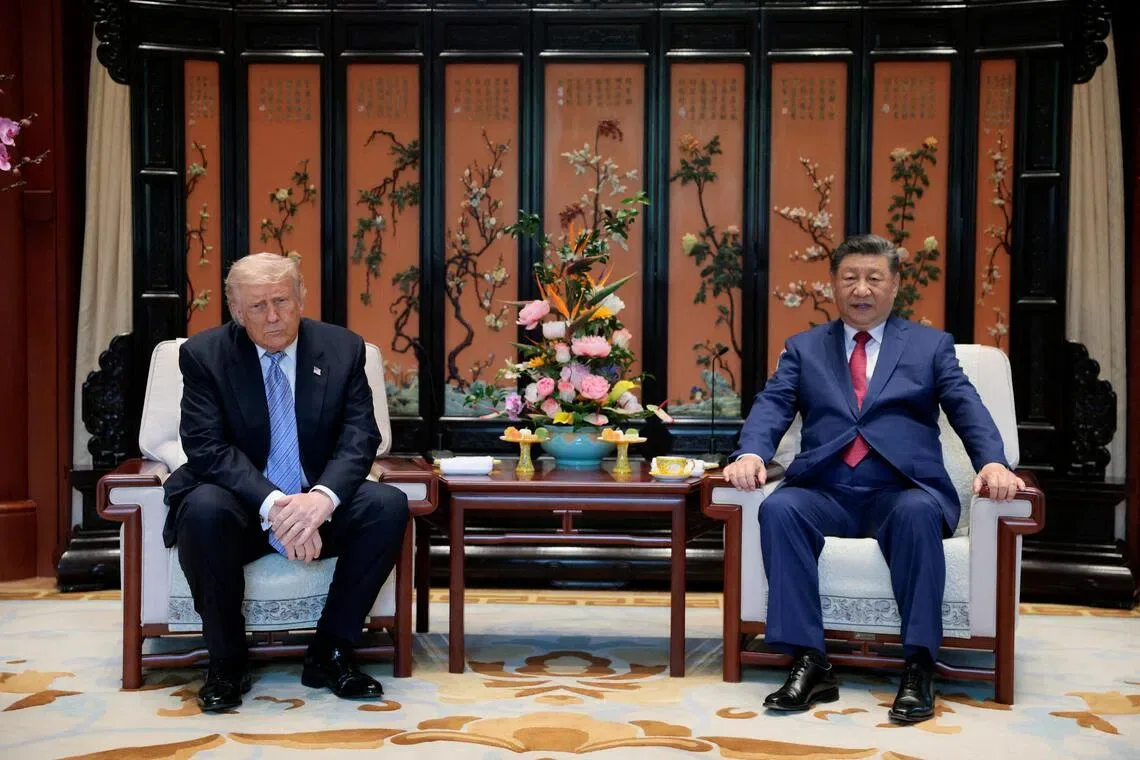
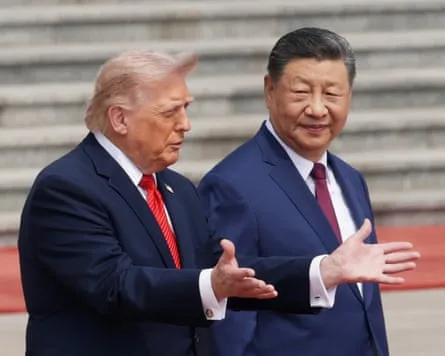
Despite the heightened rhetoric, US and Chinese officials held meetings on August 26 to prepare for Chinese President Xi Jinping’s upcoming visit to Washington, maintaining diplomatic engagement amid tensions [6]. The US is cautious about sanctioning major Chinese banks directly, aiming to avoid disrupting the global financial system ahead of the Trump-Xi summit scheduled for September 24, 2026 [1, 2, 6].
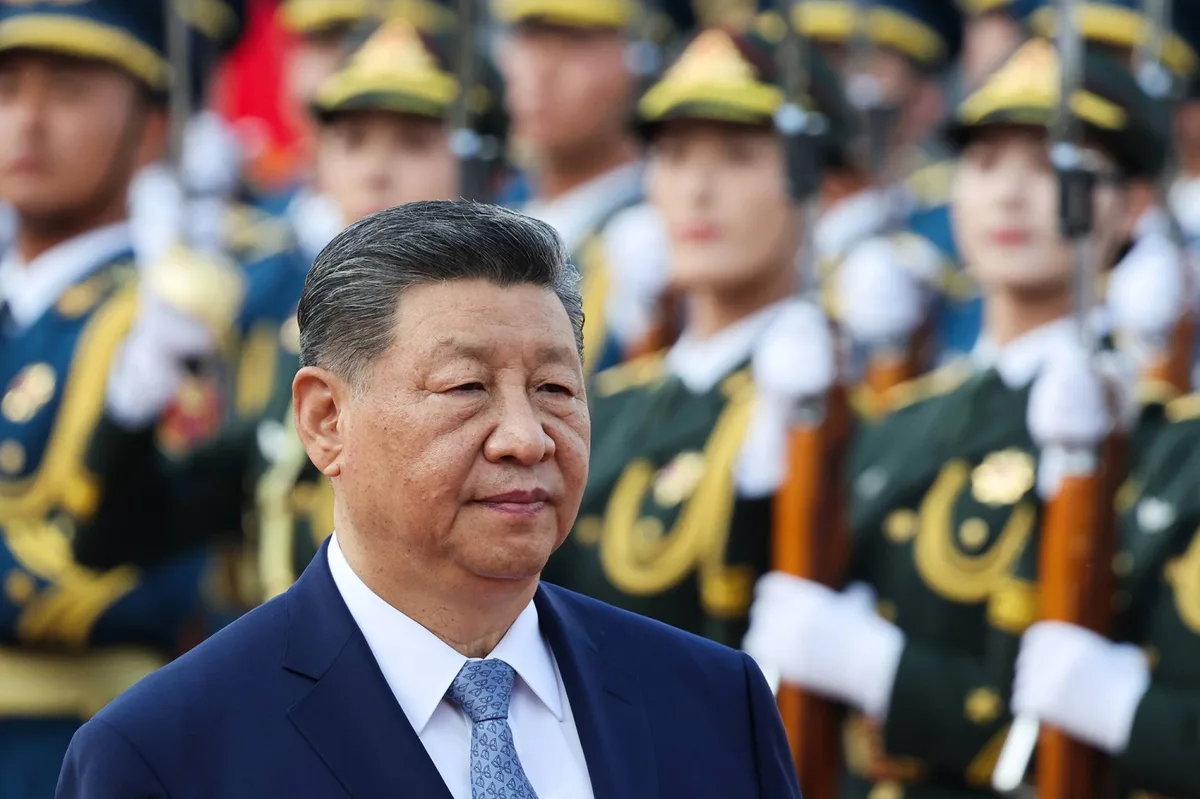
China appears unlikely to sever economic ties with Iran before the summit but may adjust purchase volumes or keep Iranian oil revenues in Chinese banks as a compromise [8, 9]. Xi Jinping signaled defiance against US sanctions, underscoring risks of a superpower clash ahead of the meeting [8, 10, 9]. President Donald Trump declined to comment publicly on sanction specifics, saying, "I don't have to announce everything" [6].
The Trump-Xi summit set for September 24 remains a focal point for managing this fraught triangular dynamic involving the US, China, and Iran.