On August 24, the US Treasury Department announced a new wave of economic sanctions under the "Operation Economic Outcast," targeting over 60 entities, individuals, and vessels linked to Iran’s digital assets, technology, gold, aviation, and shipping sectors [1, 2]. The sanctions aim to sever Iran’s economic lifelines and extend to third-country companies and individuals doing business with Iran, including Chinese firms, with threats of exclusion from the US dollar financial system [3, 4, 1, 5, 6, 2]. However, the current sanctions list does not directly name major Chinese financial institutions, reflecting US caution about trade and diplomatic ties with China [2].
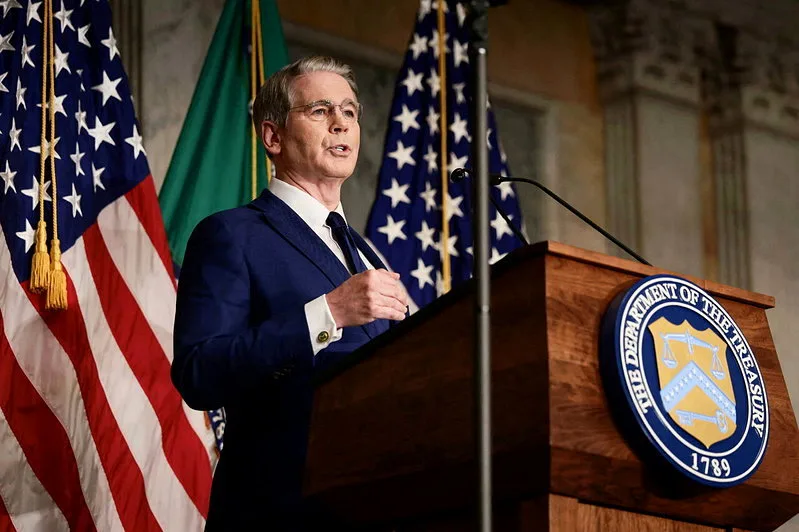
US Treasury Secretary Bassent warned on August 24 that no country or entity could evade the sanctions, saying, "This will be the largest coordinated economic isolation action in world history. We want to tell them: either you stand with us or against us" [7]. President Trump had announced on August 19 a destructive economic campaign against Iran and warned allies of severe consequences for supporting Tehran [7, 8, 9, 10]. Bassent earlier described the operation as an "economic Normandy landing" aimed at a maximum financial strike [5, 11].
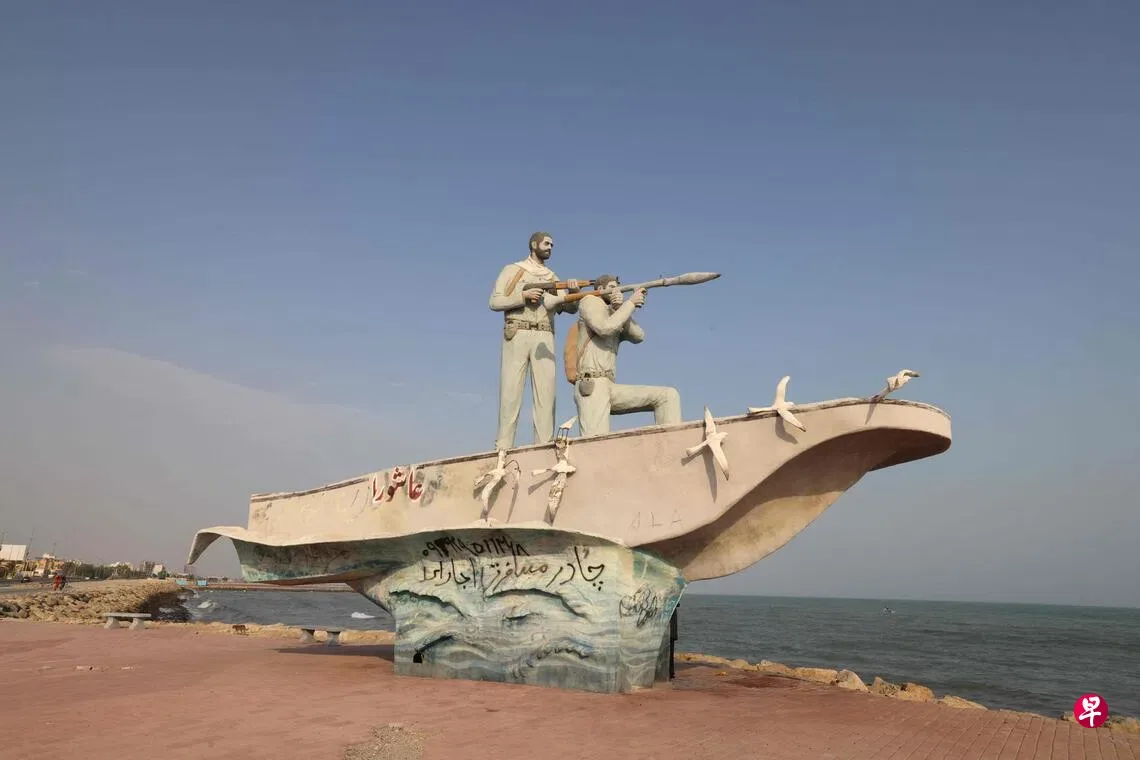
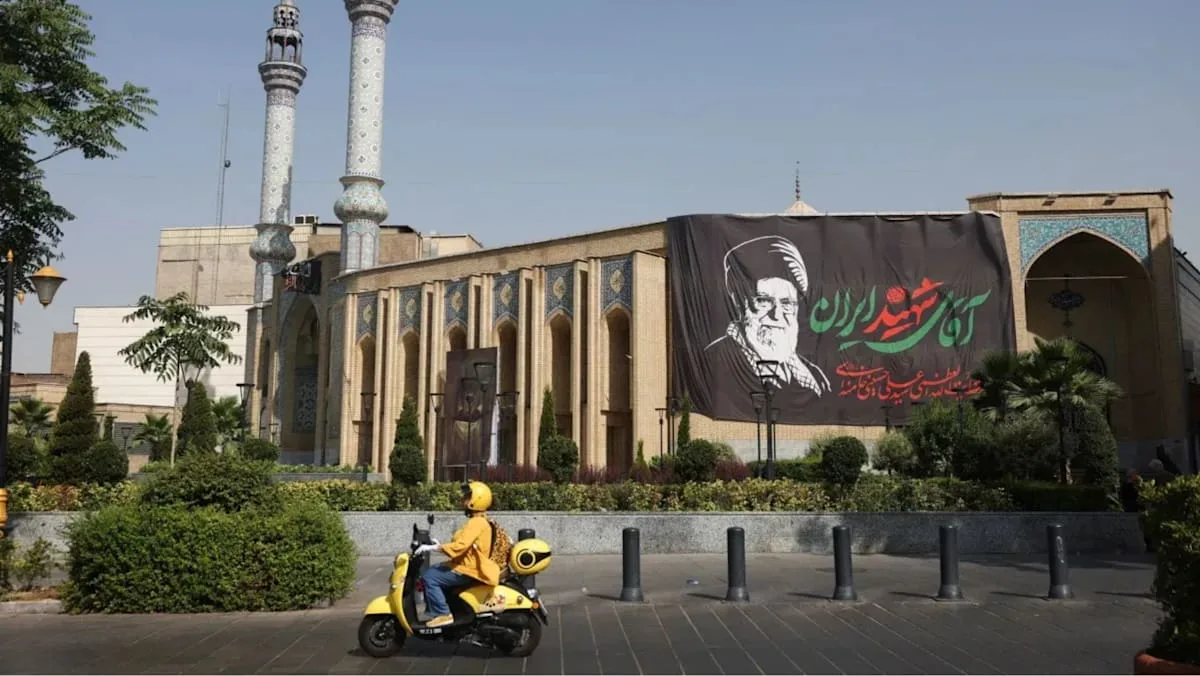
Iran’s Foreign Ministry and officials strongly condemned the sanctions as "economic terrorism" and crimes against humanity violating international law and sovereignty rights [7, 8, 9, 12, 10, 2]. Foreign Ministry spokesman Bagaei declared the measures as "extraterritorial sovereignty claims against every independent UN member," with no legal basis [8]. Iranian officials warned of retaliation against the US and allies, hinting at possible military responses and accusing neighboring states aiding US forces of risking regional conflict [1, 10, 5, 11, 2]. Iranian Finance Minister Madanizadeh said Iran is ready for further economic pressure and doubted the US would achieve its goals [2].
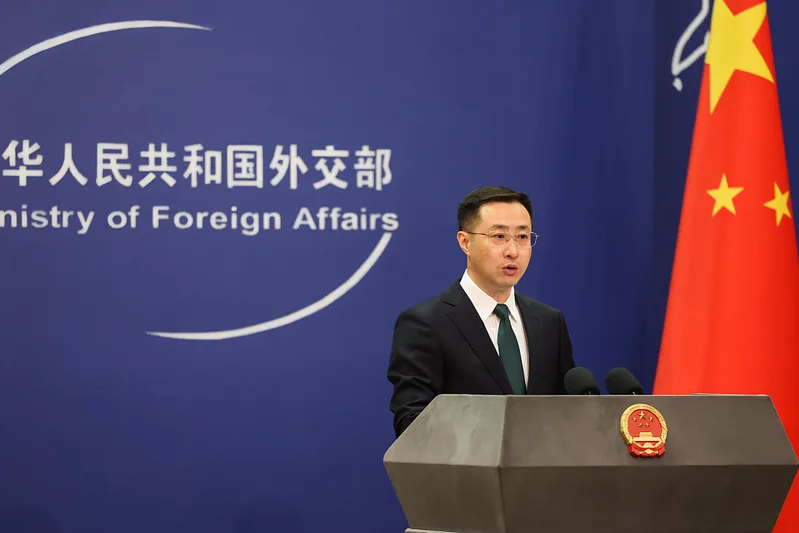
China’s Foreign Ministry and senior officials repeatedly opposed the US sanctions, citing their lack of international law basis and risks of escalating tension [3, 4, 5, 6, 11, 2]. Spokesman Lin Jian criticized the sanctions as unhelpful and tension-raising, emphasizing China’s intent to protect its legitimate interests [3]. Foreign Minister Wang Yi called for a return to dialogue and de-escalation of tensions [11]. In 2025, China accounted for 80-90% of Iran’s seaborne crude oil exports, making it a key factor in US sanction strategy [8, 10, 2].
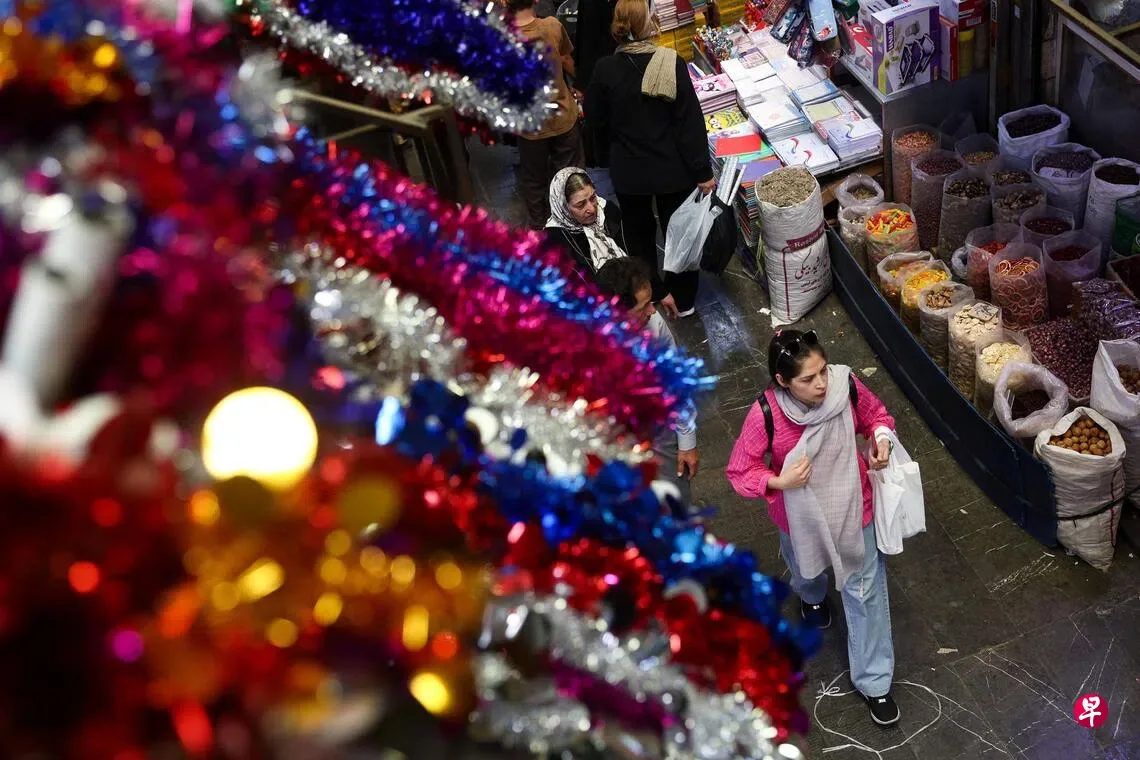
Iran’s rial has plunged to a historic low against the dollar—about 2 million rial per dollar—heightening economic distress and public unease over the sanctions’ impact on civilians [5, 6]. The shipping lane in the Strait of Hormuz remains heavily disrupted, sharply reducing oil shipment volumes and accentuating global energy security concerns [10, 2].
The US Treasury held a briefing on August 24 detailing the sanctions and warned that violators would face stepped-up penalties [8, 12, 1, 5, 6, 2]. Iran vowed to use all tools and capabilities to protect its interests and people [9, 2]. China declared on August 25 its continued opposition to unilateral sanctions and its preparedness to safeguard its rights [3, 4, 5, 6, 11]. The situation remains tense as both sides brace for ongoing economic and diplomatic confrontation.