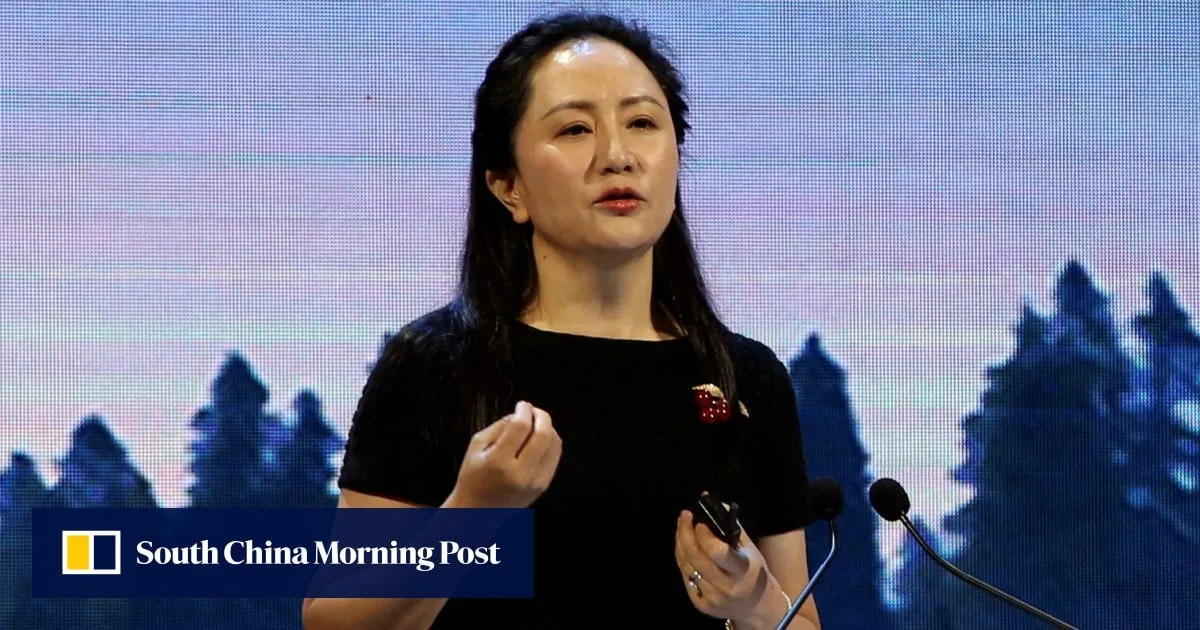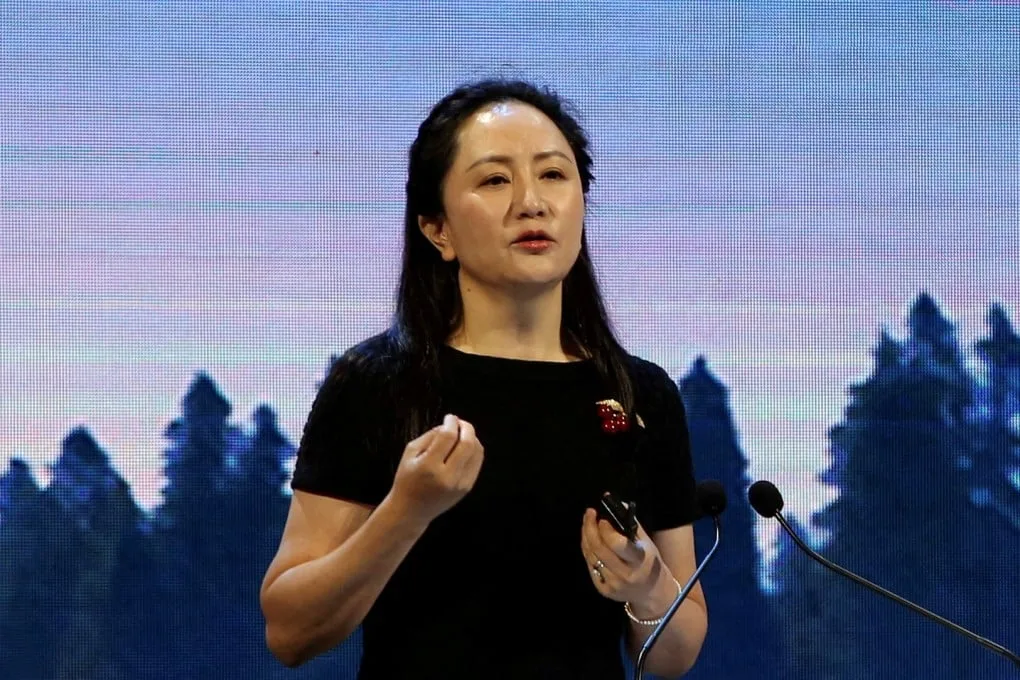
US District Judge Ann Donnelly ruled on June 16, 2026, that statements made by Huawei CFO Meng Wanzhou in a 2021 deferred prosecution agreement can be used as evidence in the upcoming US criminal trial against Huawei [1, 2].
Meng admitted as part of the 2021 agreement that Huawei illegally conducted business in Iran, in violation of US sanctions, while she was charged with bank fraud in the United States related to those violations [1, 2]. The deferred prosecution deal dismissed criminal charges against Meng but included her admissions about the company’s conduct [1, 2].
Judge Donnelly rejected Huawei’s argument that Meng’s statements could not be used against the company on the basis that Huawei is entitled to silence. She said, "Meng was – and is still – Huawei Tech’s CFO. Huawei Tech should not be able to object that admitting the statement of its senior executive about her conduct in connection with her job – which Huawei Tech adopted – violates Huawei Tech’s rights" [1].
Meng Wanzhou remains Huawei’s Chief Financial Officer despite the ongoing criminal proceedings [1, 2]. She was accused of deliberately misleading financial institutions like HSBC about Huawei’s compliance with sanctions and export controls [1, 2].
Meng was arrested in Vancouver in 2018 on a US warrant, triggering diplomatic tensions between the US, China, and Canada [2]. She spent almost three years under house arrest in Canada while fighting extradition to the US [2].
In September 2021, Meng entered the deferred prosecution agreement remotely from Vancouver and later returned to China, where she was greeted as a hero [2].
The judge’s ruling clears the way for prosecutors to use Meng’s admissions in their criminal case against Huawei, currently scheduled to proceed in the US federal court.