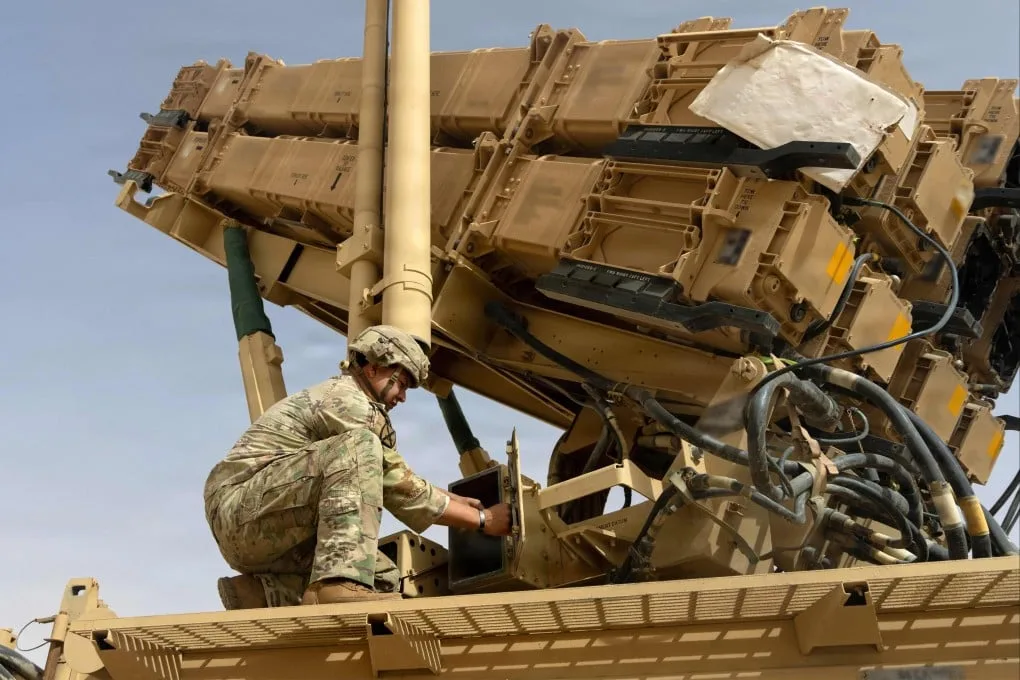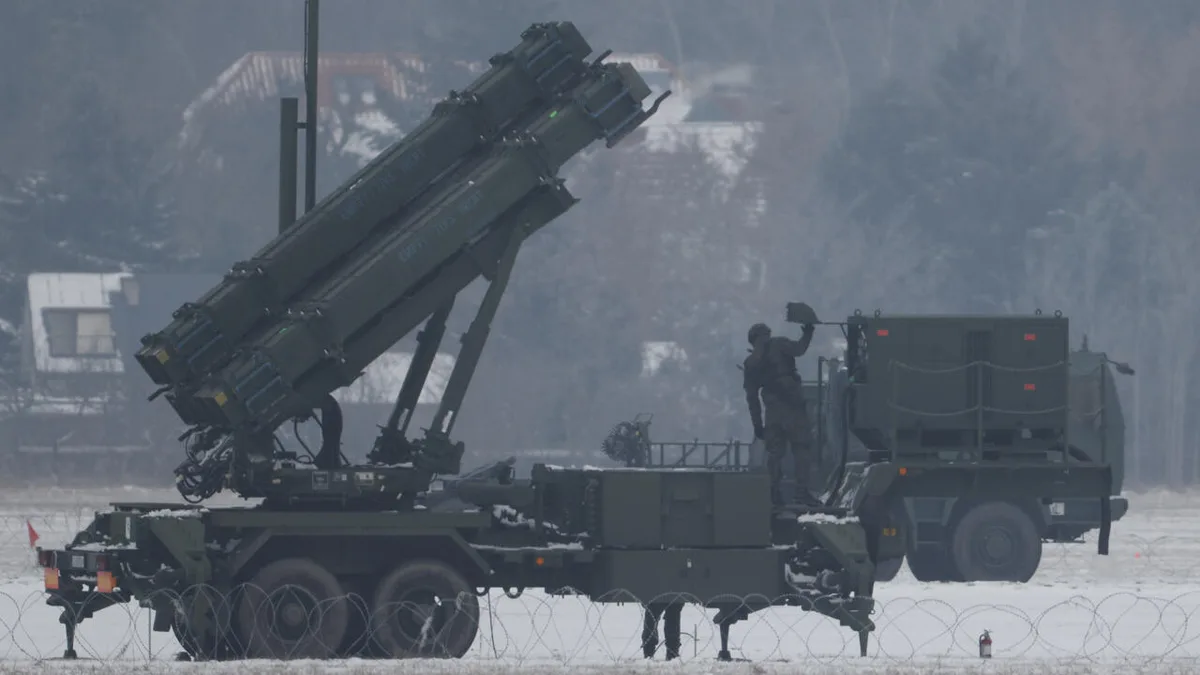
The US military is facing a "beyond critical" shortage of Patriot missile interceptors in Europe as of August 28, 2026, driven largely by stock relocations to the Middle East amid ongoing conflict with Iran [1, 2, 3]. The shortage arrives at the six-month mark of President Trump's war with Iran, which has diverted key missile interceptors to counter Iranian drones and missile attacks [2, 3].
Patriot interceptors are vital for defending European and NATO forces against Russia's high-speed ballistic missiles, yet inventories of these interceptors in Europe are currently low [1, 2, 3]. An unnamed US defense official said the military "definitely" lacks enough Patriot missiles to repel any sustained ballistic missile attack in Europe and has "very limited" ability even to stop a single missile strike or a stray Russian missile that goes off course [2].
The official further warned that NATO might have to endure multiple missile strikes, describing the potential situation as "taking punch after punch in the mouth" if Russia launches a ballistic missile assault [2]. Despite the severity of the shortage, no imminent ballistic missile attack from Russia on NATO forces is currently expected [3].
In a related development during the week of August 21-27, CIA Director John Ratcliffe reportedly visited Moscow to warn Russia against attacking NATO, according to some reports [3].
The shortage highlights cascading effects from the US's extended military engagement in Iran, forcing the transfer of critical missile defense assets from Europe to the Middle East to counter Iranian threats [1, 3]. The US and NATO face a precarious missile defense posture in Europe with restricted Patriot interceptor availability as the conflict enters its seventh month.
The situation remains fluid as the US military balances missile defense commitments across multiple theaters. Further updates or replenishments to Patriot missile stocks in Europe have yet to be announced.