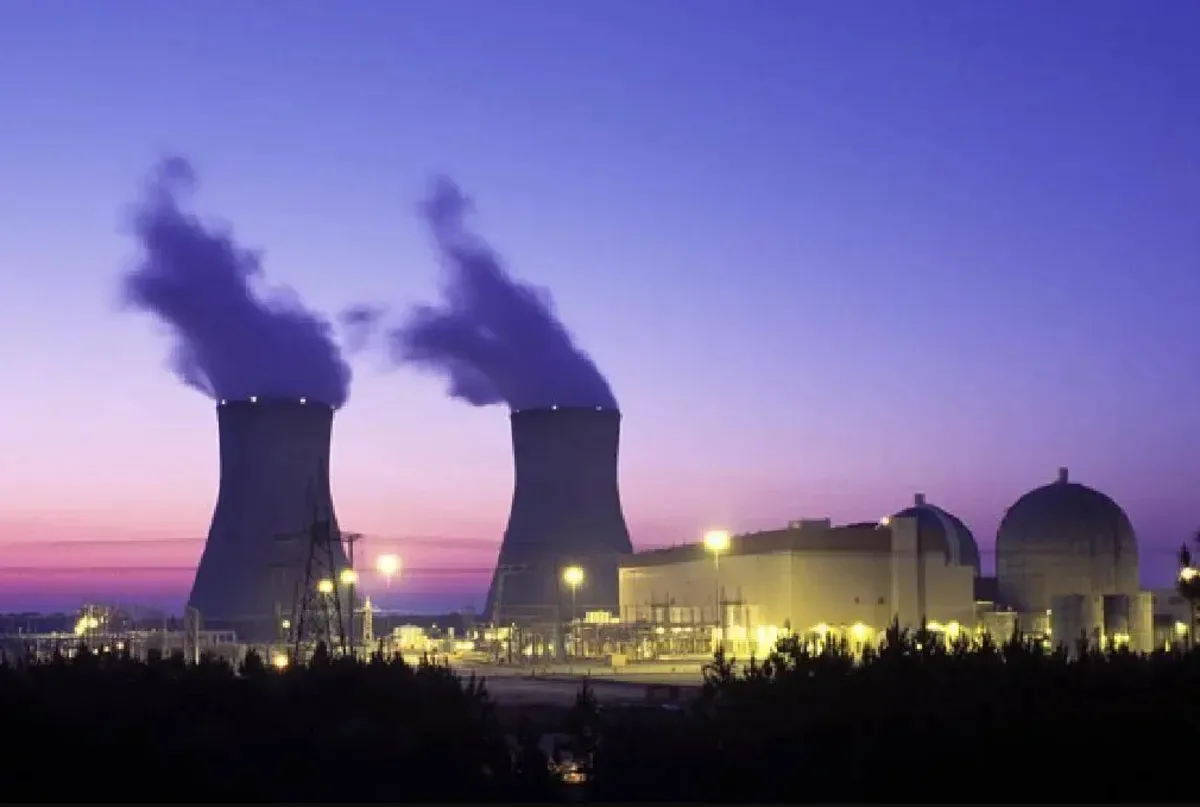
The US government selected five companies in August 2026 to negotiate converting about 19.7 metric tons of Cold War-era plutonium into fuel for new nuclear reactors. The plan aims to meet rising electricity demand from data centers and to quadruple US nuclear power output by 2050 [1] [2].
Plutonium is a highly hazardous radioactive material. A grapefruit-sized amount has the explosive power of the atomic bomb dropped on Nagasaki in World War II. Inhaling plutonium dust can be fatal [2] [1].
Experts and lawmakers warn the plan carries significant terrorism risks and will incur potentially astronomical security and maintenance costs, which taxpayers are likely to shoulder. Congressman Bill Foster said the project "must face astronomical security costs to prevent terrorism" and that he remains "highly alert" to the large safety expenses needed to mitigate such risks, questioning the plan's economic feasibility [2] [1].
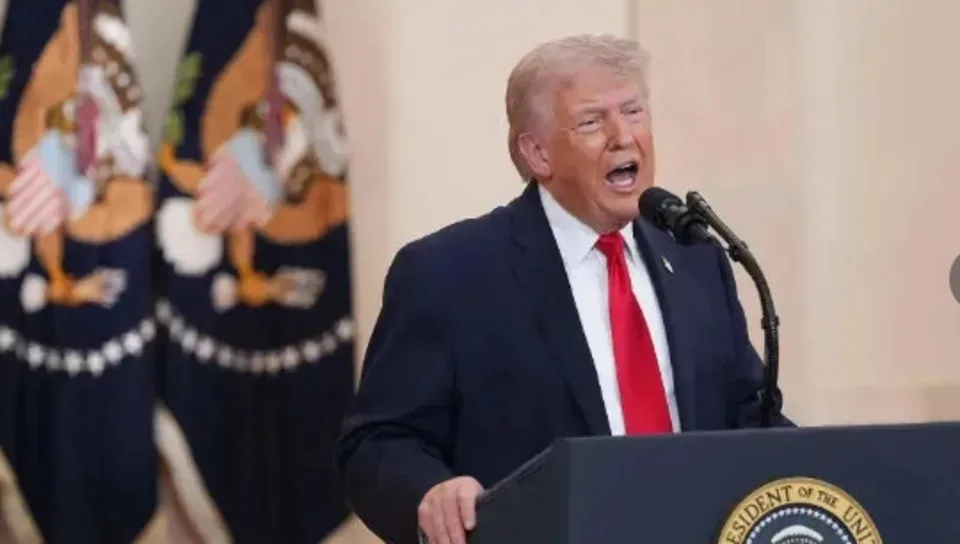
The US previously ran a Mixed Oxide (MOX) plutonium fuel program that was canceled in 2018 due to excessive costs under the Trump administration [1]. Former Energy Secretary Ernest Moniz said diluting and disposing of plutonium would be cheaper and simpler than converting it to fuel, although security costs remain significant [2] [1].
Nuclear startups like Oklo and SHINE Technologies support converting plutonium to fuel, calling it a responsible method to reduce weapon-grade plutonium stockpiles and alleviate nuclear fuel shortages. Greg Piefer, CEO of SHINE Technologies, said handling weapons-grade plutonium responsibly involves "burning" it through fuel use [2] [1].
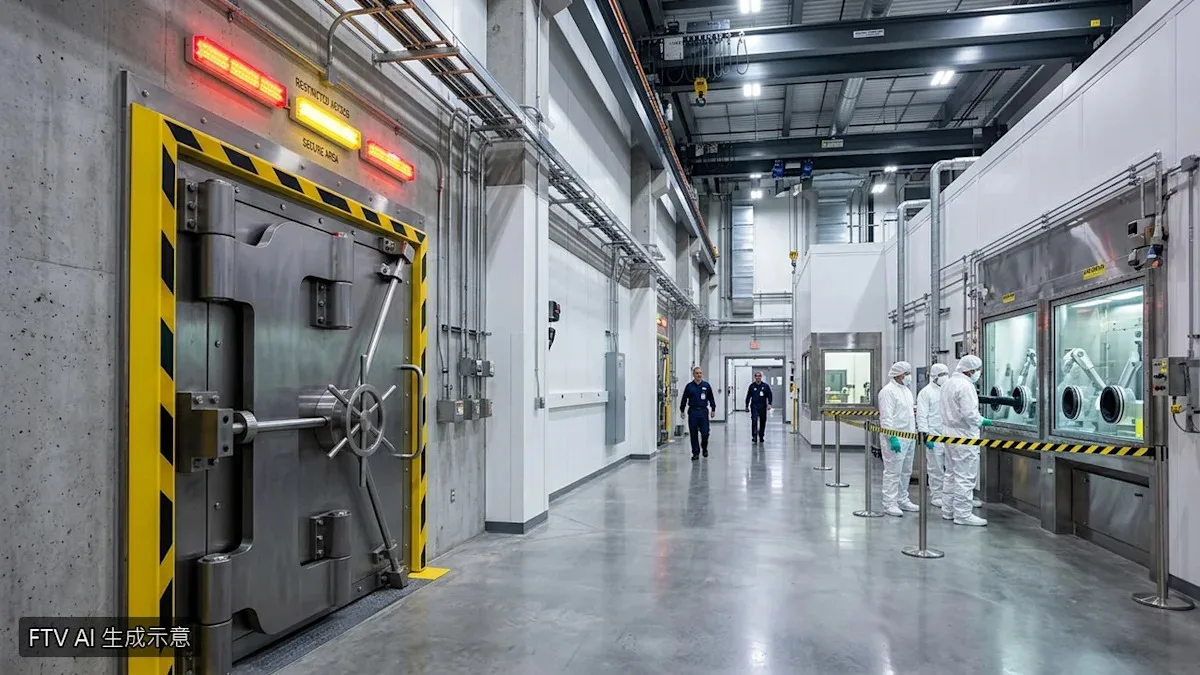
To address safety and proliferation risks, staff at conversion facilities must hold the highest security clearances. Companies must submit detailed safety plans covering transportation, storage, and material stabilization. However, the US government does not plan to cover the specialized security and nonproliferation costs associated with the project [1].
Energy Secretary Chris Wright, who previously served on Oklo's board, has recused himself from related government decisions and divested his company shares to avoid conflicts of interest [1].