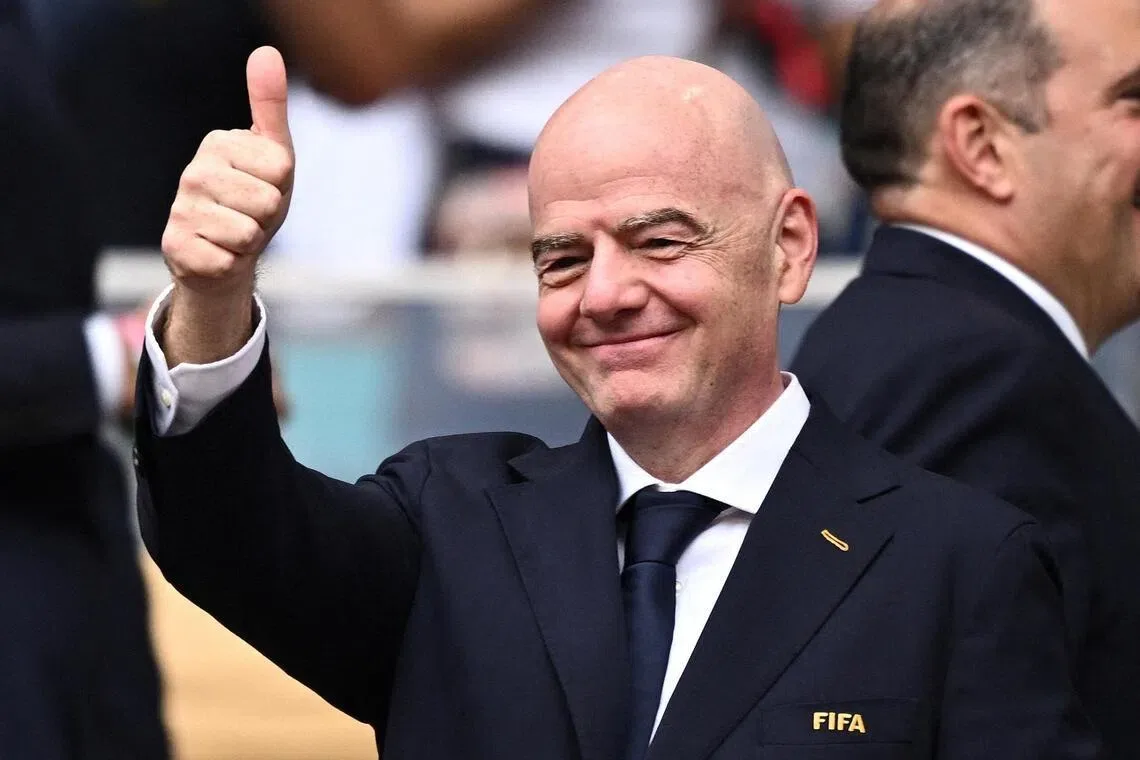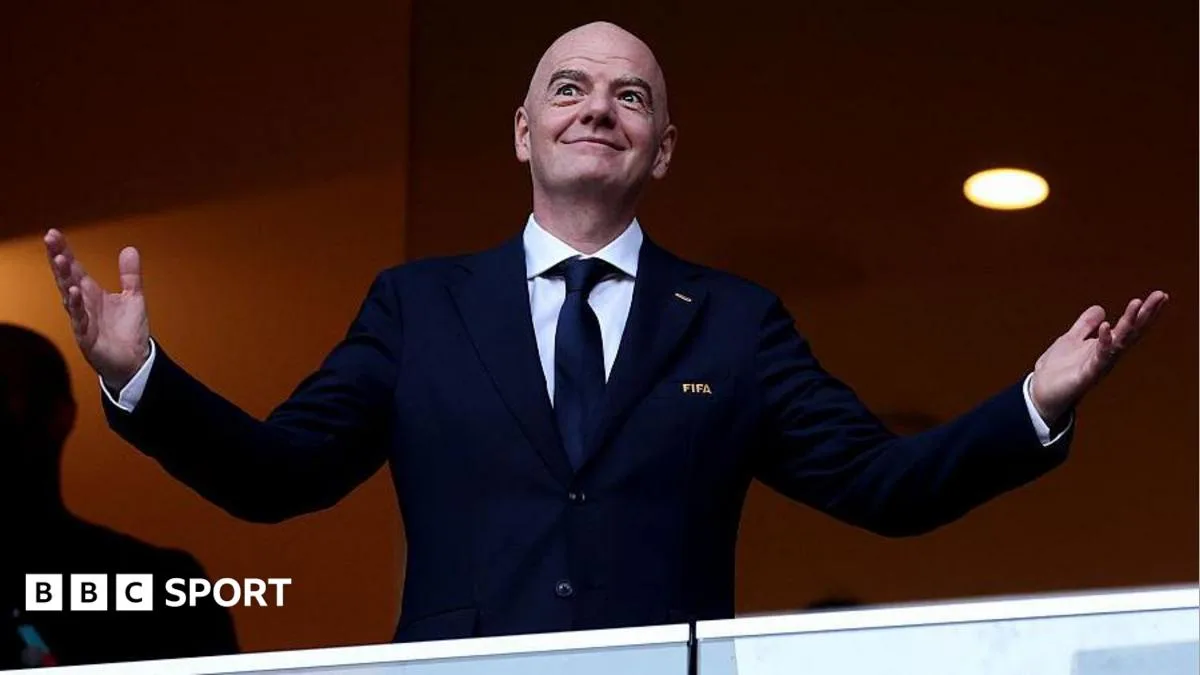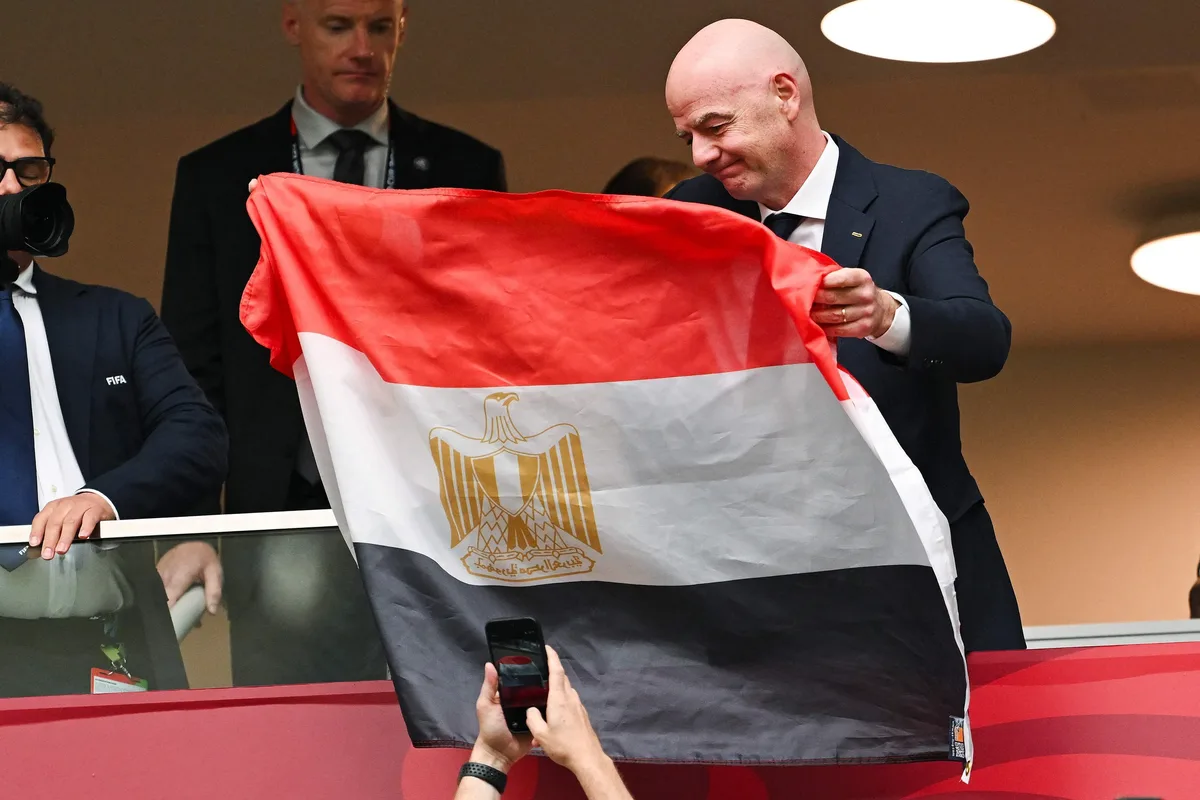
FIFA president Gianni Infantino confirmed that the governing body will examine the possibility of expanding the World Cup from 48 to 64 teams before the 2030 tournament [1, 2, 3, 4]. The 48-team format introduced for the 2026 World Cup is the first increase since 1998, when the field grew from 32 to 48 teams [1, 3, 5].
The current World Cup is hosted across 16 cities in Canada, Mexico, and the United States, setting a new attendance record of 6.25 million fans to date [1, 6]. Four teams remain in the competition as of now: Argentina, England, France, and Spain [1, 5].
Infantino described the 48-team World Cup as a "huge success," noting that teams from every continent scored and earned points, with nine out of 10 African nations reaching the knockout stages compared to five in 2022. "That just goes to show how important it is to include all teams—to give them this opportunity to participate," he said [1]. He stressed the importance of organizing the event for the entire world, not just traditional powers in Europe and South America.
The 2030 World Cup will be co-hosted by Morocco, Portugal, Spain, Uruguay, Argentina, and Paraguay, with opening matches held in South America [1, 3, 5, 4]. Expansion to 64 teams could allow each South American co-host to stage an entire four-team group instead of a single match, offering more regional hosting opportunities [1, 4].
However, some critics, including coaches and football officials like Carlos Queiroz, have expressed concerns. Queiroz said the large number of qualifying teams may reduce the rarity and value of World Cup participation. Others warned that moving to 64 teams could create chaos for football’s ecosystem and dilute tournament quality [3, 5].
Infantino said the expansion issue "will be examined and discussed in the relevant committees after this World Cup" ends [1]. The next World Cup after 2030 is scheduled for Saudi Arabia in 2034 [7].