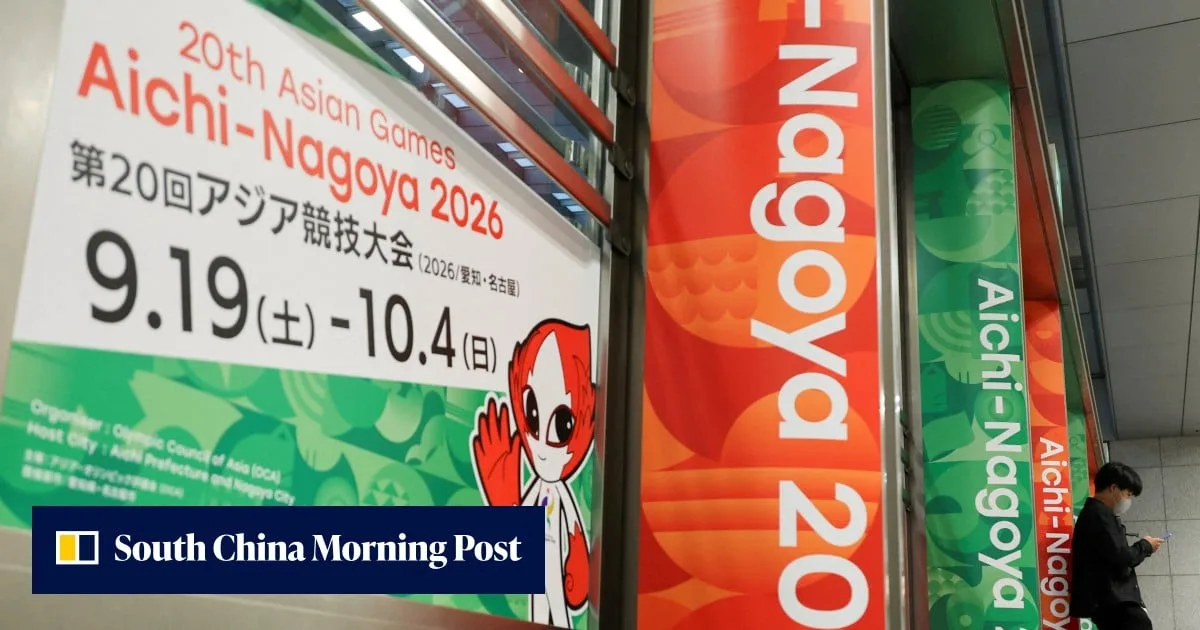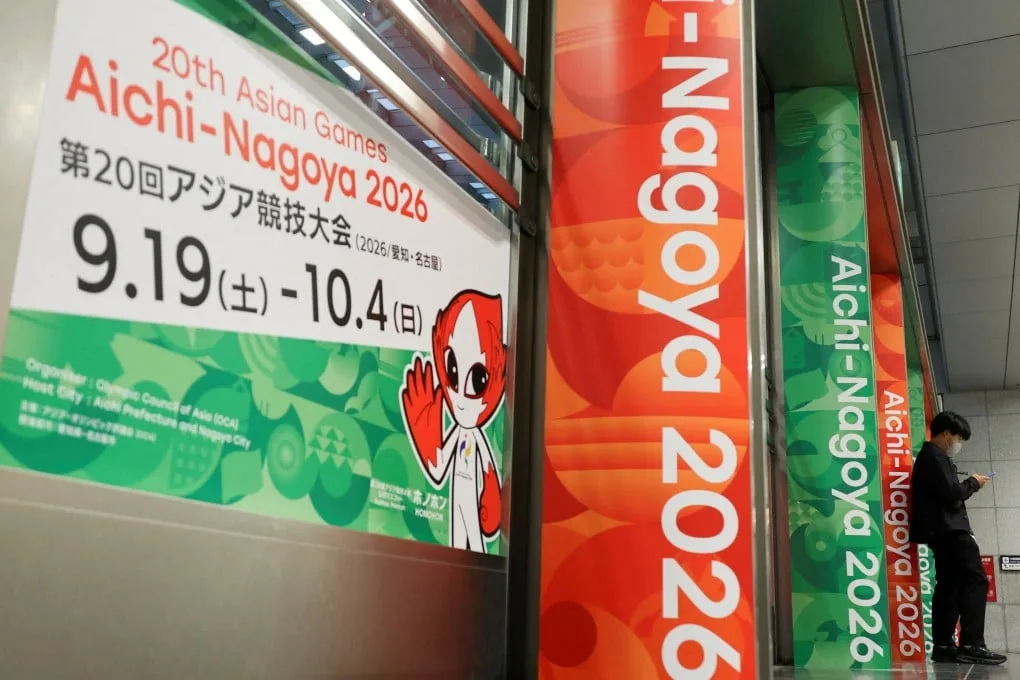
The organisers of the Asian Games in Nagoya confirmed on August 28 they have no accommodation available for approximately 2,000 additional athletes and officials beyond the initially planned 15,000 delegation size [1, 2, 3]. The Games will run from September 19 to October 4 across Nagoya, the Aichi region, and parts of Tokyo [1, 2, 3].
Originally, organisers expected about 15,000 athletes and officials. However, the Olympic Council of Asia's decision in March to add teqball and padel increased the number to around 17,000 participants, including 11,000 athletes and 6,000 officials [1, 2, 3]. The host city agreement specified housing only for 15,000, with no budget or accommodation arrangements for extra participants [1, 3].
Organisers do not have the manpower, budget, or physical space to accommodate the increased delegation. Hideaki Omura, governor of Aichi Prefecture, said, "We have not set aside a budget for any more than that. There is simply nowhere for them to stay. If they still wish to come, they will have to make their own arrangements." He added, "We have neither the manpower nor the budget to make the necessary arrangements for extra participants" [1, 2].
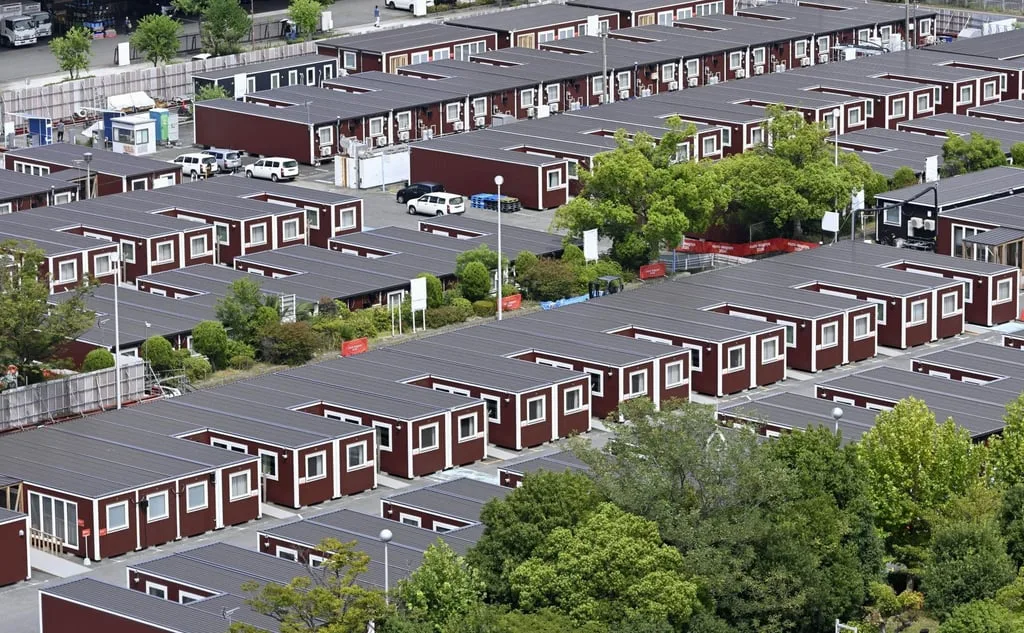
There is no dedicated athletes' village. Instead, organisers booked temporary housing, including the cruise ship Costa Serena to lodge between 4,000 and 5,000 athletes, and container-style huts for about 2,000 people [1, 3]. The remaining delegation members will stay in local hotels, including some in Tokyo for sports hosted there [1, 3].
Nagoya Mayor Ichiro Hirosawa, also acting as organising committee chairman, said it was "difficult to accommodate this number, both in terms of time and physical capacity. From a cost perspective, we are operating on a tight budget and it is difficult" [3]. Reports that organisers are trying to reduce participant numbers are inaccurate; rather, some officials are expected to secure their own accommodation [3].
The delegation size continues to fluctuate and has not been finalized, but the organisers confirmed late additions must find lodging independently due to lack of capacity and funds [3]. The Asian Games begin in less than a month, placing time constraints on finalising accommodation arrangements [1, 2, 3].