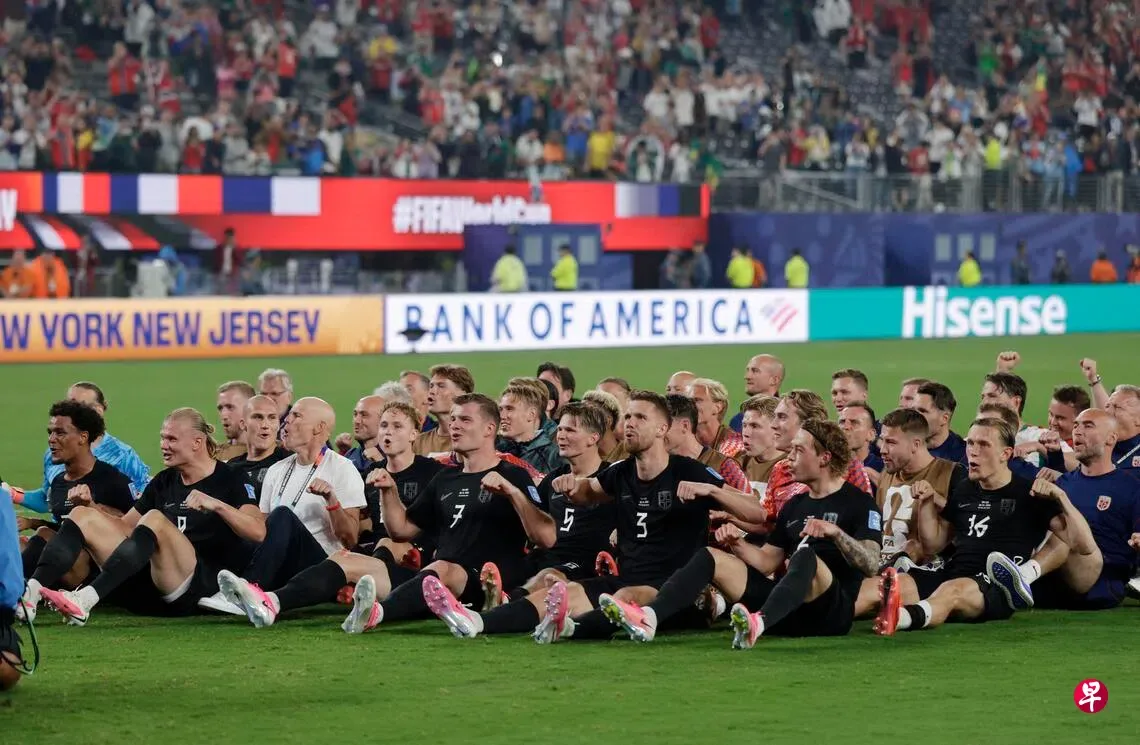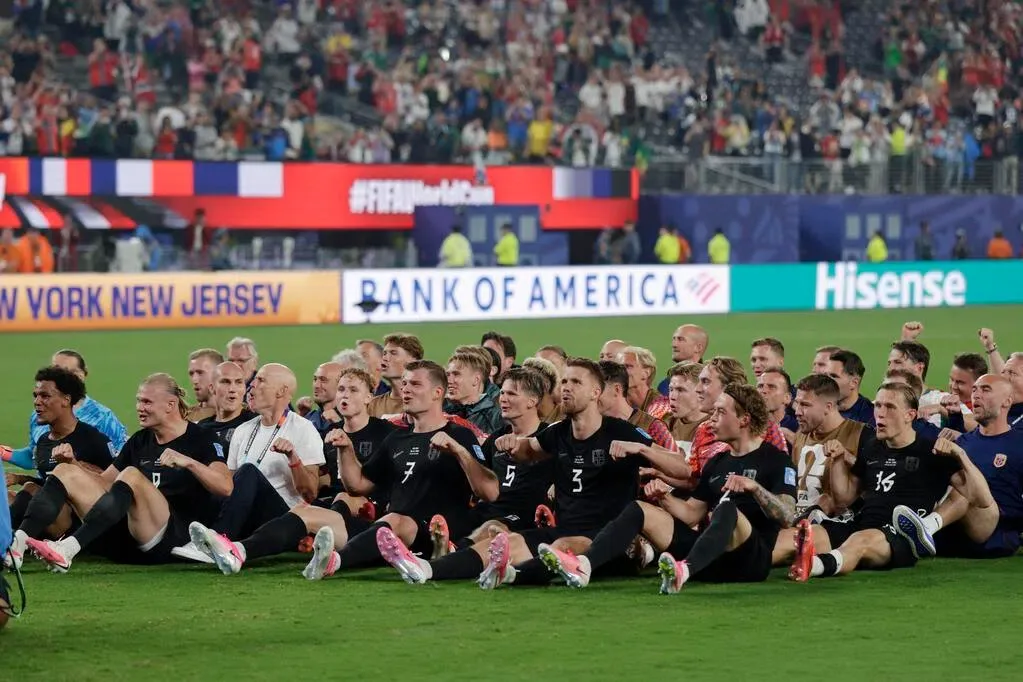
Norway defeated Senegal 3-2 in their Group I second round match at MetLife Stadium on June 22, securing early qualification to the Round of 32 of the 2026 FIFA World Cup [1, 2, 3]. The game drew 80,663 spectators, the largest audience for a Norwegian match since 1957 [3].
Norway's star striker Erling Haaland scored twice in the match, boosting his tournament total to four goals, tying him for second place behind Lionel Messi’s five [1, 3]. Haaland’s form helped Norway to six points after two wins in the group stage [1, 2, 3].
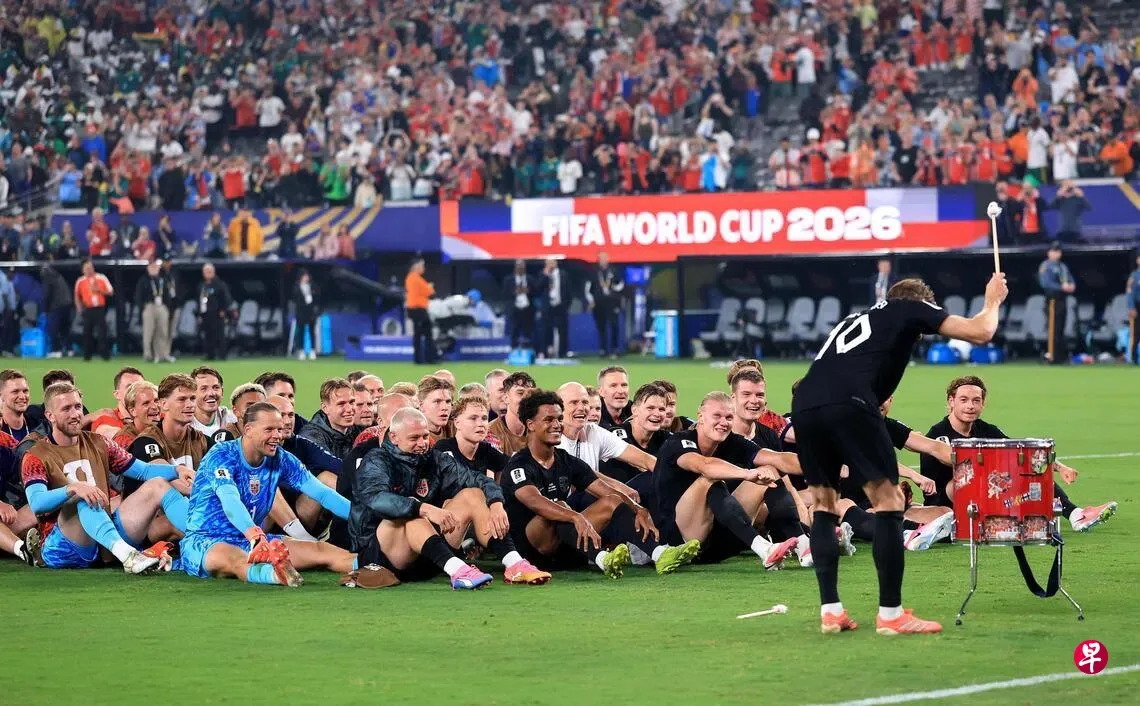
Following the final whistle, the Norwegian players led by captain Martin Ødegaard sat on the pitch and performed the 'Viking Row' celebration, mimicking rowing a Viking longship together with chants and drumbeats. Coach Ståle Solbakken joined in after congratulating his wife [1, 2, 4, 5]. Solbakken said the move was "World Cup limited" and allowed all players to participate, calling it very fun [5].
The 'Viking Row' is inspired by traditional Norwegian rowing culture and symbolizes national unity and fighting spirit [6, 1, 4]. Midfielder Alexander Sorloth described the celebration as "so much fun, more than I imagined" and "magical when you hear the sound" [1].
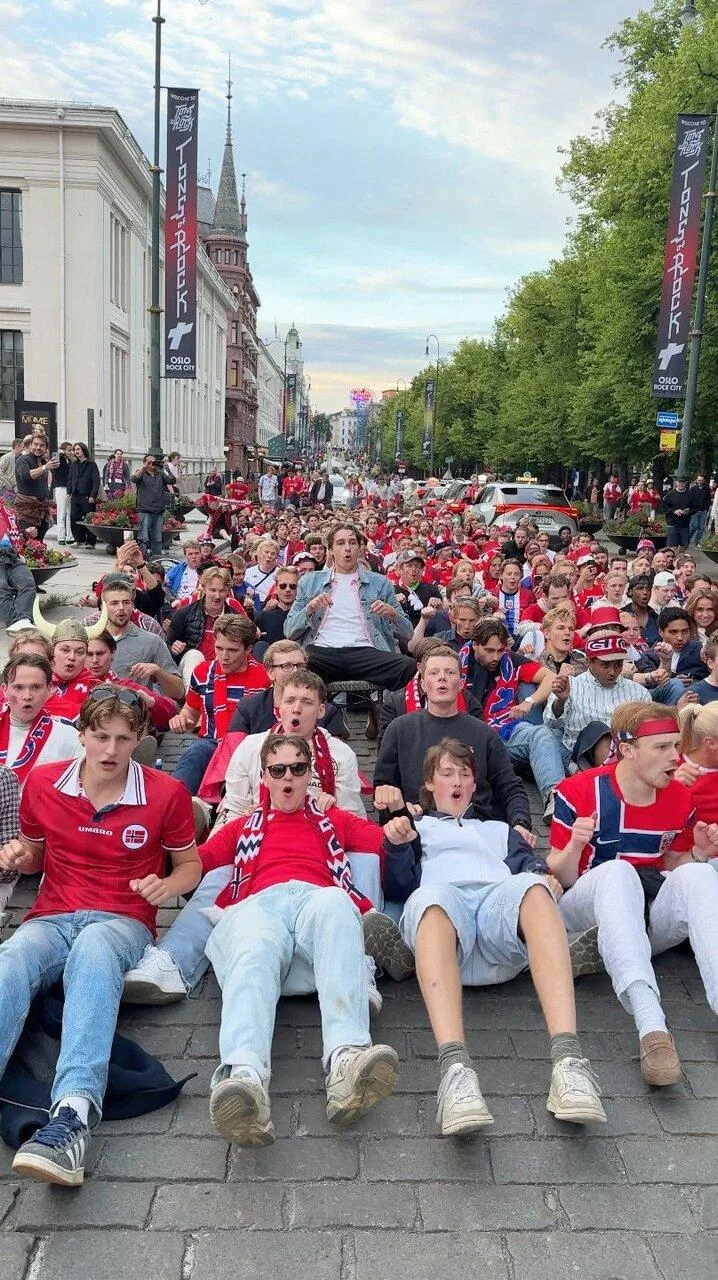
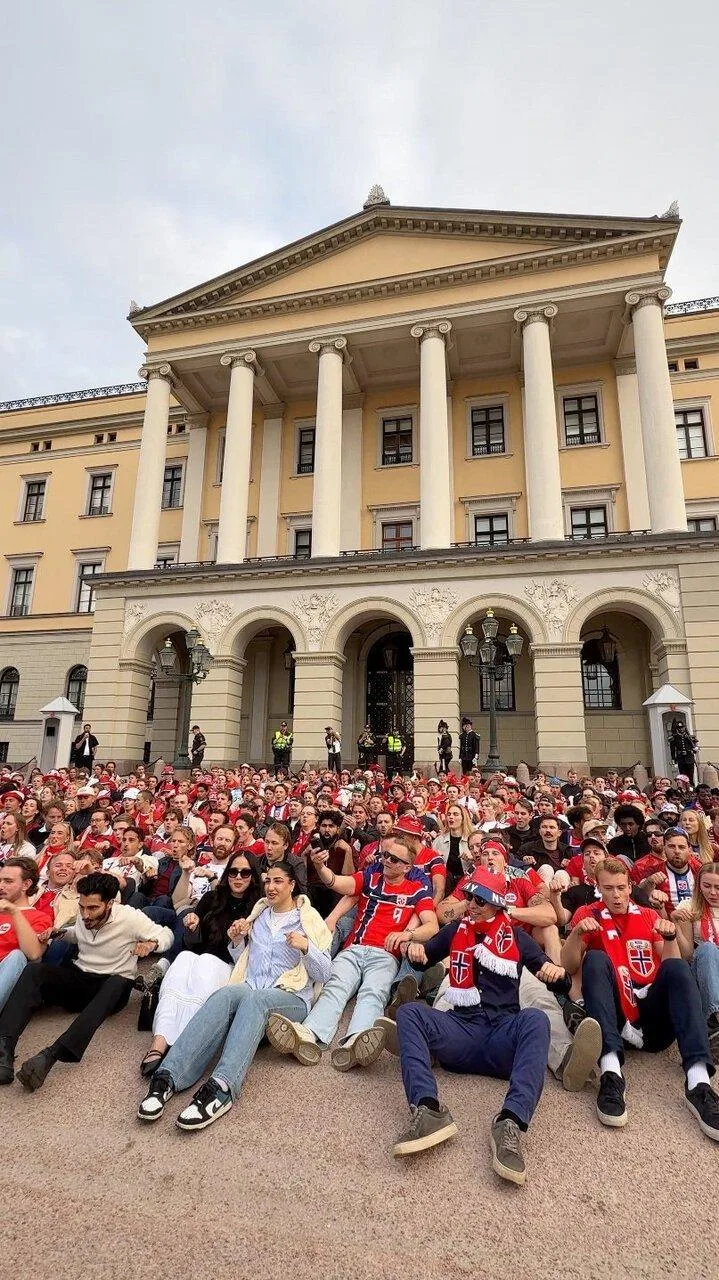
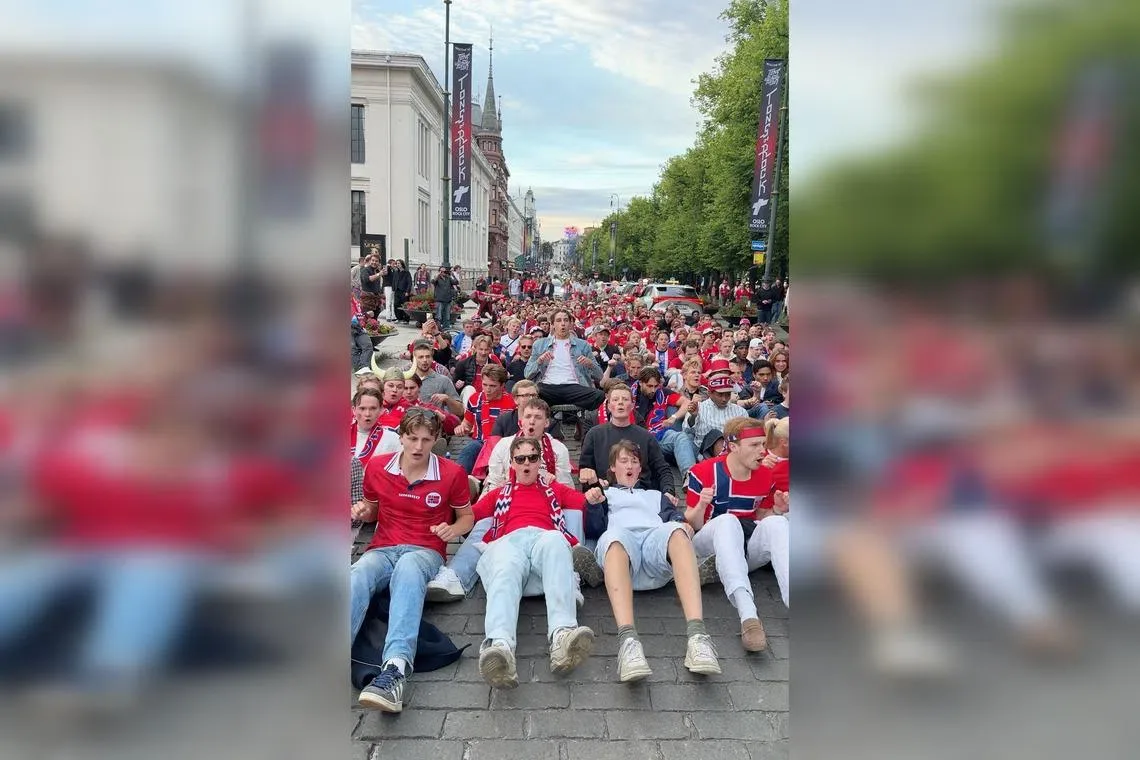
The celebration quickly went viral on social media and has been replicated by fans across Norway. Large gatherings of Norwegian supporters performed the ritual in New York City's Times Square and subway on June 23, with about 20,000 fans attending events around the region including MetLife Stadium and Citi Field baseball stadium [6, 7, 8, 9]. Many fans also experienced American baseball culture for the first time during their World Cup stay [7, 8].
Reactions from neighboring Nordic countries have been mixed. Swedish players have said the celebration is overused and sometimes annoying, with one calling the repeated close-ups by broadcasters eye-rolling [6]. Danish media have described the ritual as a form of "Nordic bullying," expressing jealousy over Norway’s success and calling it almost like adult bullying in the region [10].
Norway and France both have six points in Group I, with France holding first place on goal difference. The two teams will meet in their final group match on June 27 to decide first place [1, 2, 4, 3].
Late-night World Cup matches have sparked debate in Norway about whether the next day should be a public holiday because fans working after late games struggle to get enough rest [3].