China's Chang’e-7 mission to explore ice near the Moon’s south pole has been postponed after officials found it did not meet required launch conditions. The launch delay was announced on August 23 by the China Manned Space Agency following a comprehensive assessment conducted less than a week before the planned lift-off on or around August 24, 2026 [1, 2, 3, 4].
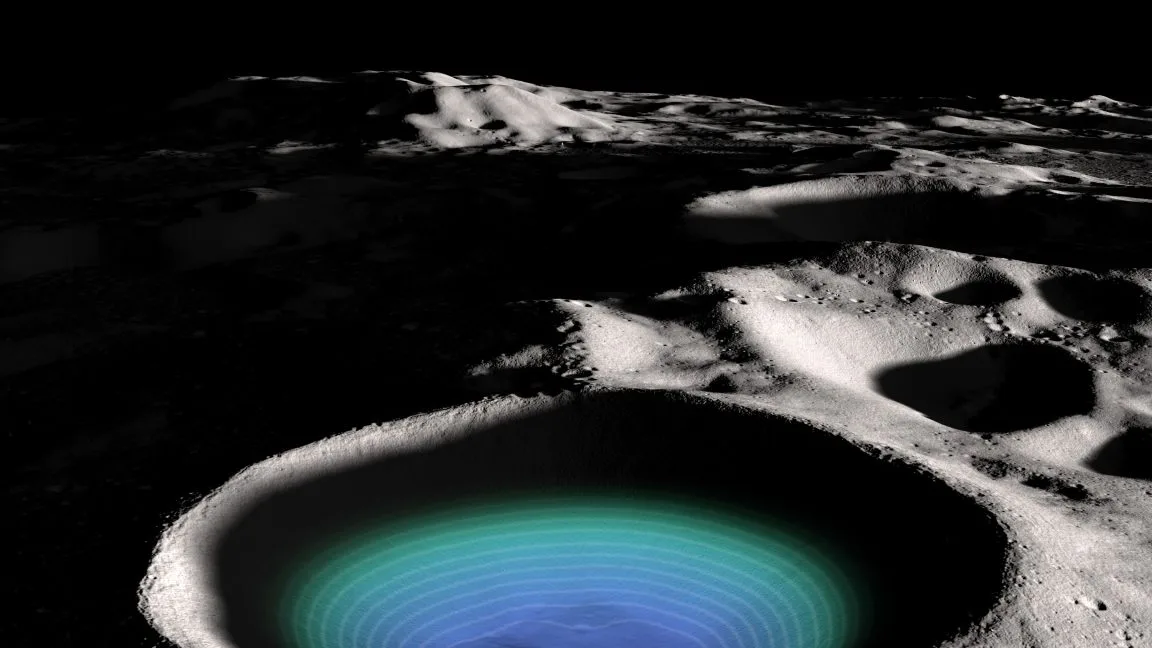
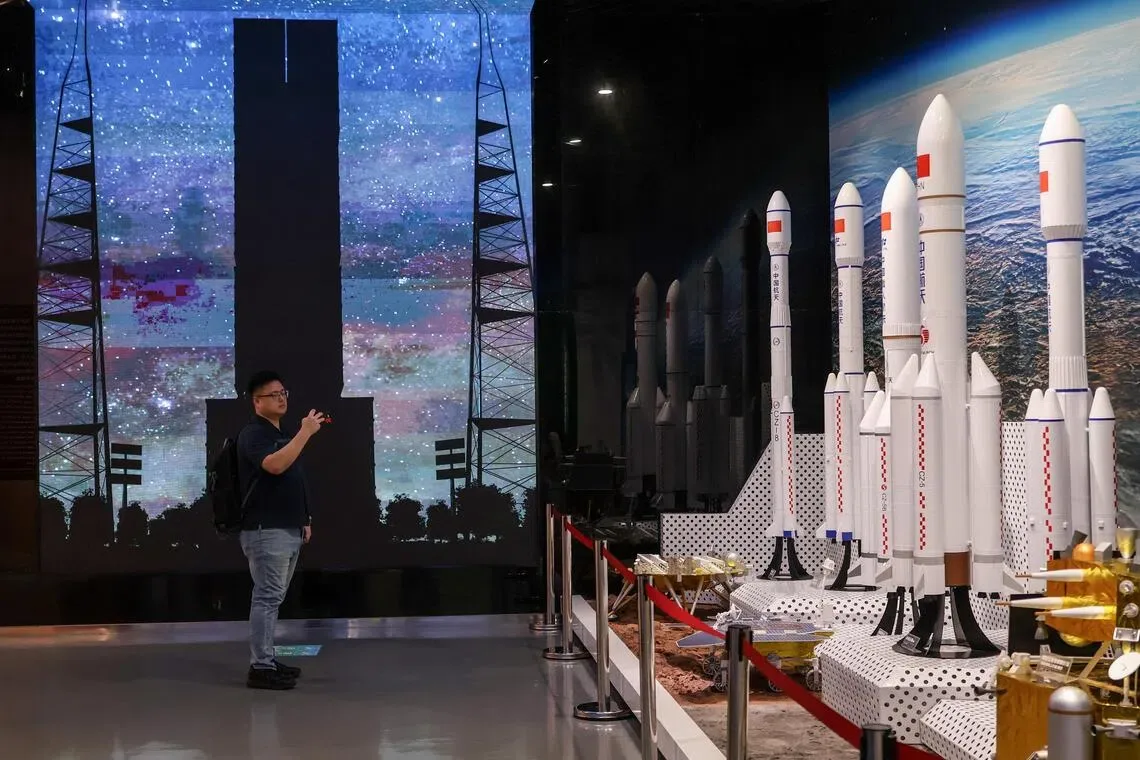
The mission involves an orbiter, lander, rover, and mini-hopper probe, all scheduled to launch on a Long March 5 rocket from the Wenchang Space Launch Center in Hainan province [1, 3, 5]. The probe aims to search for frozen water near the lunar south pole, a key goal for China's long-term moon exploration plans [1, 3].
Officials stressed the postponement was made “based on the principle of prudence, reliability and absolute mission success” [1, 5]. They did not disclose the specific criteria or technical issues that caused the mission to fail the launch readiness check. Some analysts believe adverse weather, including Typhoon Narra near Hainan island, could have influenced the postponement, though this remains speculative [6].
This postponement follows a launch failure of a Long March 7A rocket from the same Wenchang center in early August. That rocket encountered an anomaly in flight while carrying the Zhongxing-4B satellite, and investigations are ongoing [3, 5].
The Chang’e-7 spacecraft arrived at Wenchang and underwent inspections starting August 19, with final preparations underway before the hold was announced [3, 4]. The mission's next feasible launch window is believed by some observers to be in February or March 2027, due to sunlight angles and orbital considerations [6].
China marked a milestone in July 2026 with a successful reusable rocket landing, demonstrating advances in its space technology [3, 5]. The country is focused on landing astronauts on the Moon before 2030, aiming to rival US Artemis program efforts [3, 5].
At present, the China Manned Space Agency is reviewing mission readiness and will announce a new launch date once conditions meet their criteria for mission success [1].