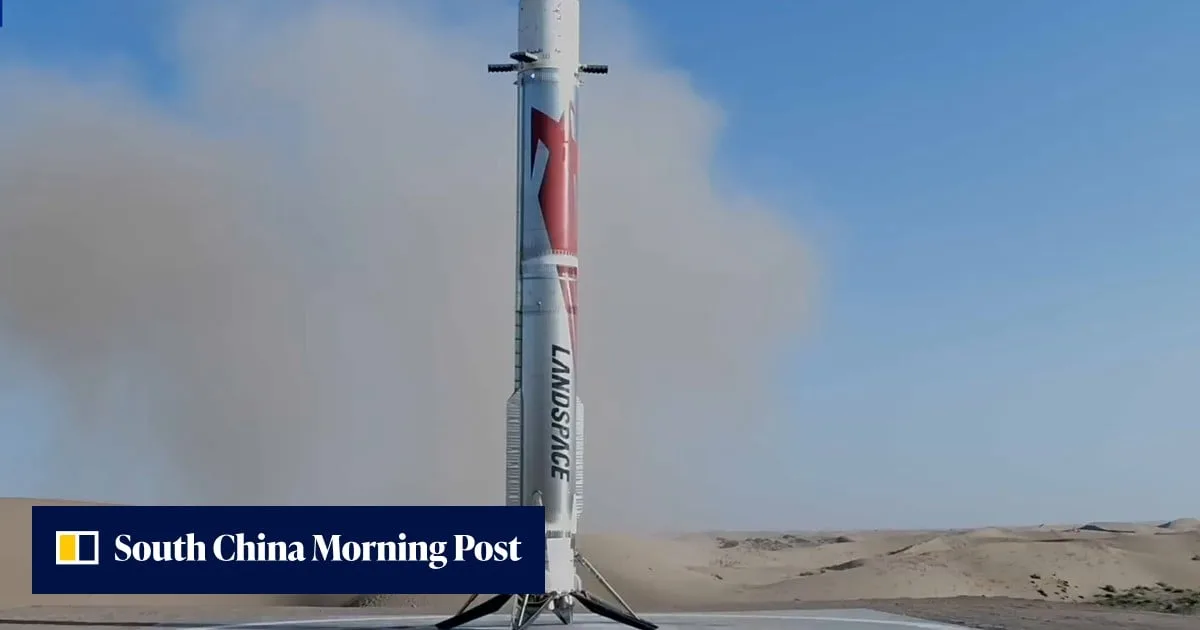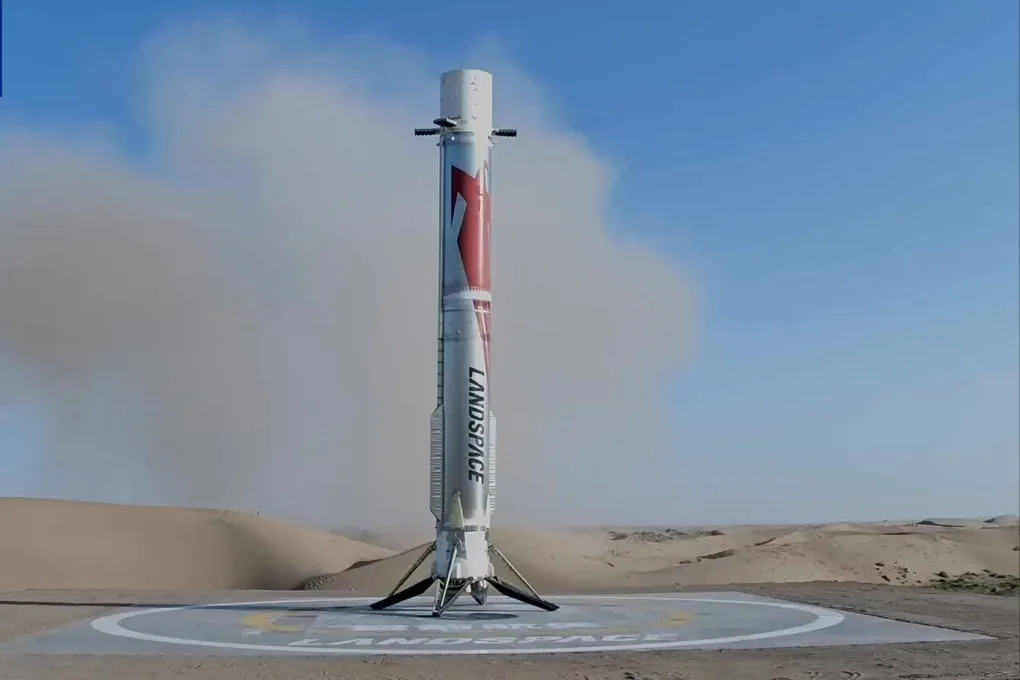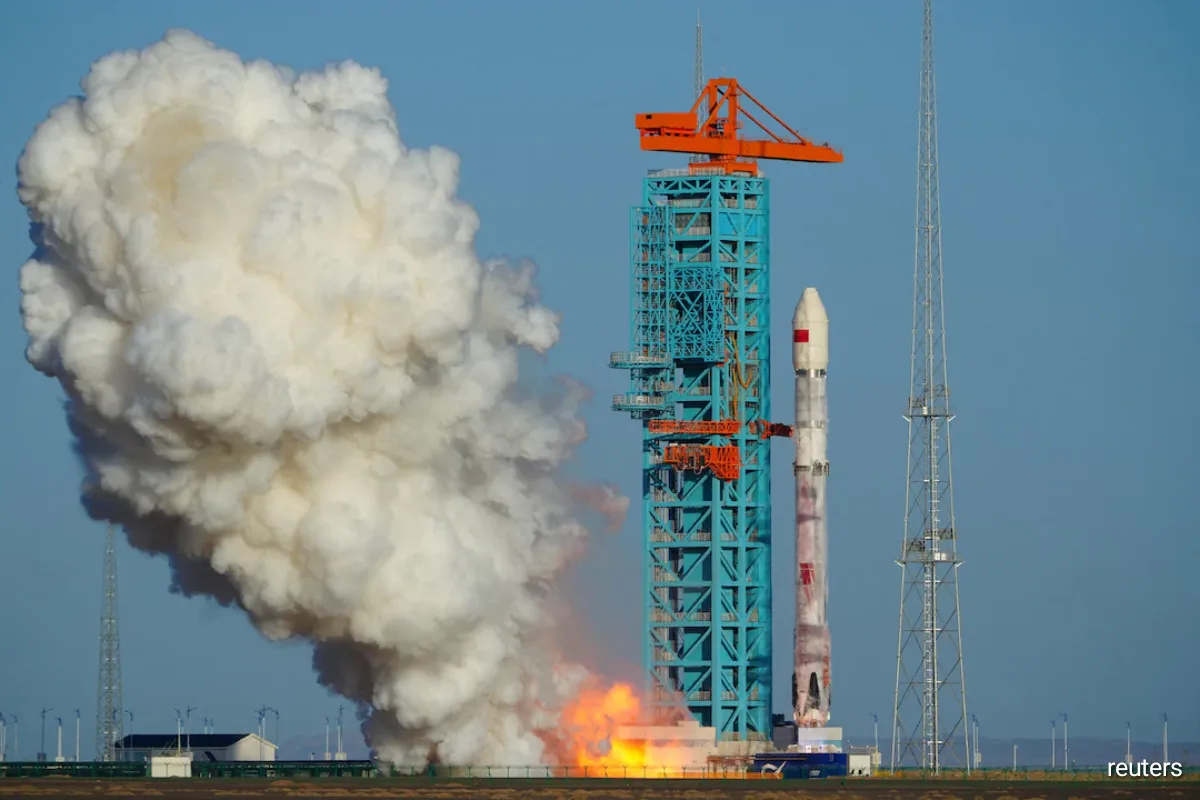
LandSpace successfully launched its Zhuque-3 rocket and recovered the first stage booster vertically on land on August 19, 2026. The booster landed at a recovery site in Minqin county, Gansu province, approximately 390 kilometers southeast of the launch site in northwest China [1, 2, 3, 4, 5].
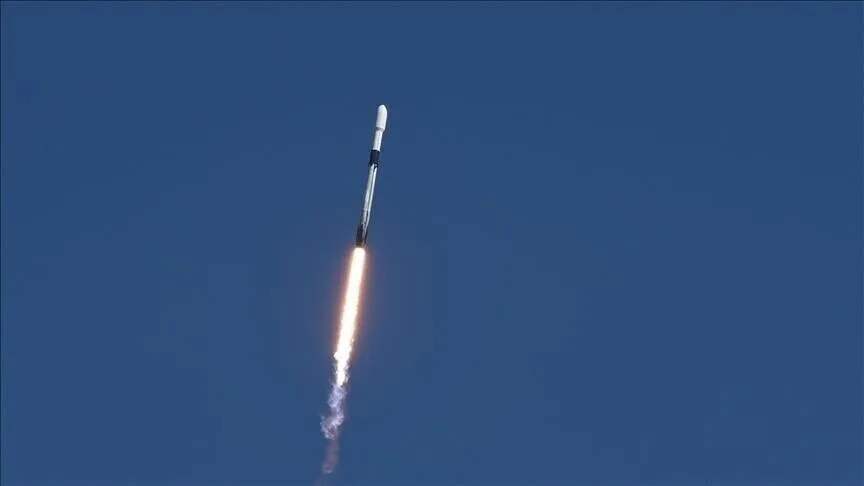
The Zhuque-3 rocket stands about 66.1 meters (216–217 feet) tall and is made of stainless steel. It uses liquid methane and oxygen as propellants [1, 2, 3, 5]. On this mission, the rocket delivered the Honghu-3 internet satellite to its designated low Earth orbit, lifting a payload of 14.2 metric tons [1, 3, 5]. This capability is less than SpaceX’s Falcon 9, which can carry 22.8 metric tons to the same orbit [2, 5].
This marks China’s first successful land recovery of a commercial orbital-class rocket booster. Previously, all Chinese recoveries have been sea-based. The launch was either from the Jiuquan Satellite Launch Centre or the Dongfeng Commercial Space Innovation Pilot Zone [1, 4, 5]. Eric Zhu, an analyst with Bloomberg Intelligence, called the event "a watershed moment for China’s commercial space sector" [4].
LandSpace aims to reuse the Zhuque-3 booster up to 20 times to reduce costs [2]. The company filed an IPO prospectus in June 2026 to list on the Shanghai STAR Market, seeking 7.5 billion yuan (about $1.11 billion) and targets profitability by 2029 [2, 4].
The August 2026 launch and recovery was China’s fourth attempt to recover an orbital booster. A December 2025 Zhuque-3 launch ended with a failed controlled landing. In July 2026, China achieved sea-based net recovery of the Long March-10B booster [1, 2, 5]. By comparison, SpaceX has been recovering its stainless steel Falcon 9 boosters on land since 2017 but its Super Heavy booster still awaits first recovery flight approval [1, 4].