OpenAI rolled out Dreaming V3 in August 2026, a new memory architecture for ChatGPT that greatly improves long-term memory accuracy and compute efficiency compared to earlier versions [1, 2, 3]. The update is available initially to US Plus and Pro subscribers, with plans to extend to Free and Go users and additional countries in the coming weeks [2, 3].
The Dreaming memory system began in April 2025 as a background process to synthesize context across conversations without explicit prompts [1, 2, 3]. This update builds on the original Saved Memories feature launched in April 2024, which relied heavily on users explicitly instructing ChatGPT what to remember [1, 2, 3].
Dreaming V3 distinguishes between long-term facts and temporary states, maintaining relevant context over time while reducing computational resource use by about five times versus prior versions [2, 3]. Accuracy metrics show a jump in ChatGPT’s factual recall from 41.5% in 2024 to 82.8% in 2026, while preference adherence rose from 31.4% to 71.3% [3]. Time understanding accuracy also improved to 75.1% [3].
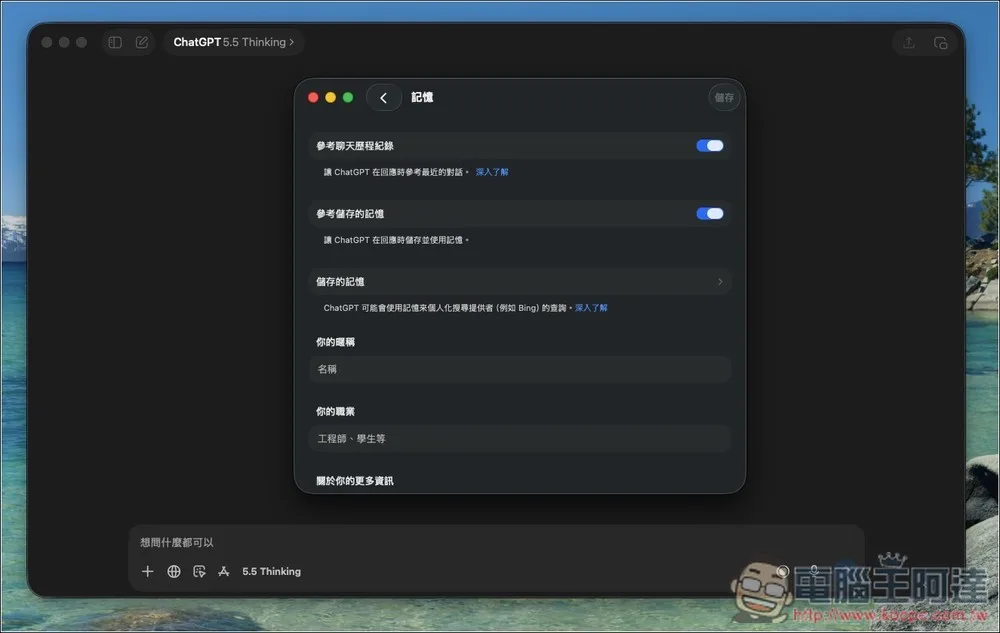
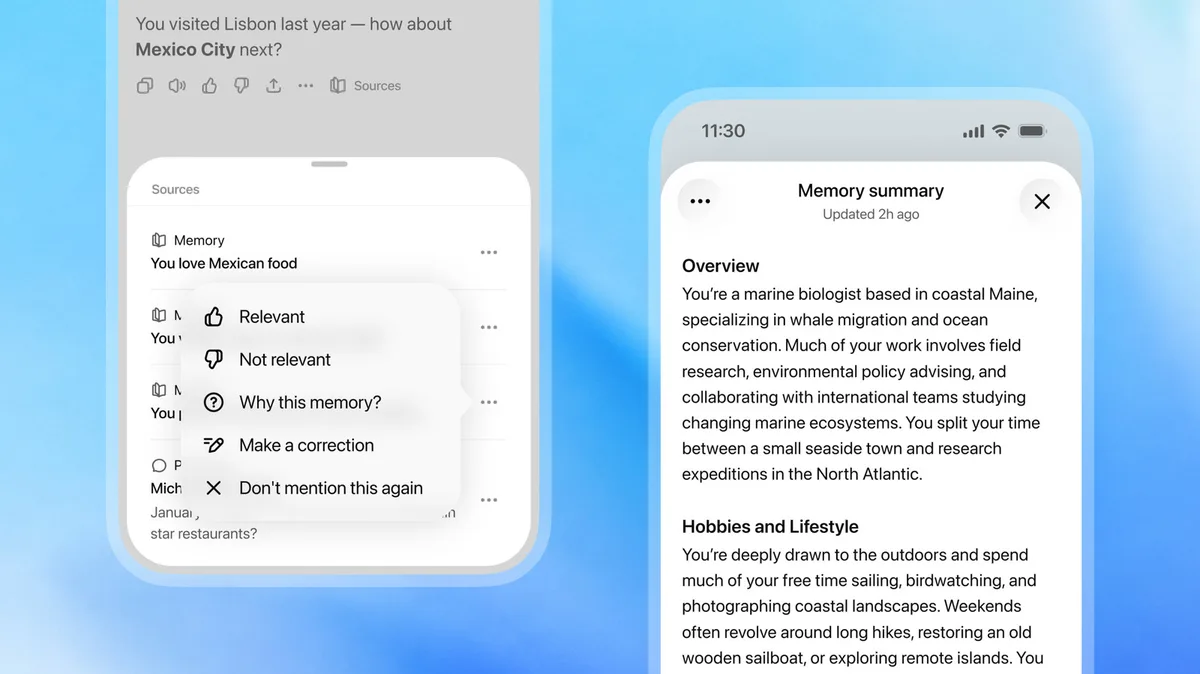
Users get more control with a new Memory Summary page to view, edit, or exclude personal information the system has aggregated [1, 2, 3]. They can also toggle features to choose when ChatGPT references stored memories or switch to temporary chat modes that disable saving conversations [2, 3].
OpenAI said, "Over the last year, dreaming supplemented saved memories to create a step-function improvement in ChatGPT's ability to personalize responses and offset the staleness of saved memories" [1]. They also noted that ChatGPT’s memory system cannot rely on a fixed list, or it risks outdated information, such as mistaking a past trip as current [3].
The rollout of Dreaming V3 to all user tiers is expected over the next few weeks, expanding beyond the initial US paid subscriber base [2, 3].