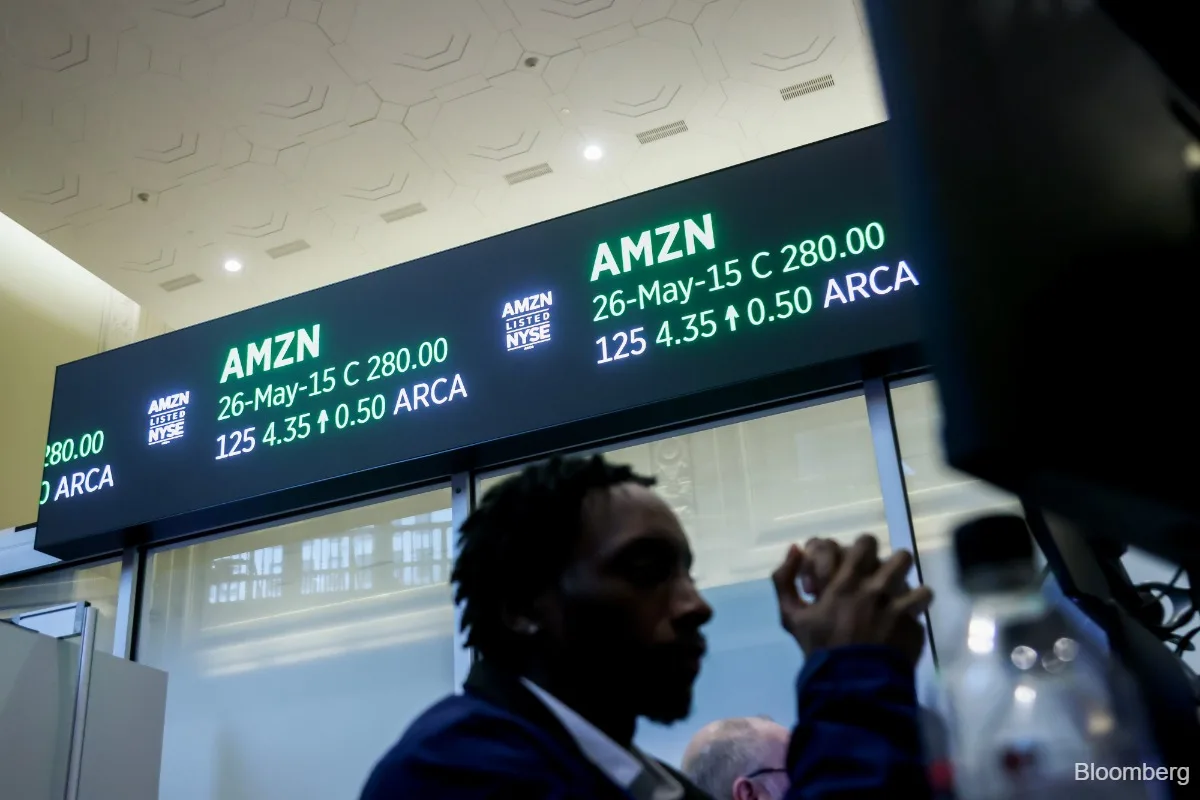
Amazon.com Inc reached a market capitalization of about $3.1 trillion on August 3, 2026, marking the first time the company has crossed the $3 trillion mark [1, 2, 3, 4]. The stock closed at record highs near $284 to $287 per share, gaining between 4.6% and 5.7% on that day [1, 2, 5, 6, 3, 4, 7, 8].
Amazon became the fifth company in history to surpass $3 trillion in market cap, joining Apple, Microsoft, Alphabet, and Nvidia [1, 9, 2, 5, 6, 4, 7, 8]. The milestone came after a remarkable rebound in shares since early August, following a steep nearly 18% decline from their May 6 peak to a three-month low in late March 2026 [1, 9, 7].
The surge in market value reflects investor confidence after Amazon posted strong second-quarter 2026 earnings, driven by its AWS cloud division. AWS reported its fastest revenue growth since 2021, largely fueled by rising demand for AI computing power and partnerships with OpenAI, Anthropic, and Meta [1, 9, 10, 5, 6, 8]. AWS CEO Matt Garman said the business has expanded partnerships and AI chip supply agreements to sustain rapid AI-driven growth [5, 6, 8].
Amazon’s stock jumped more than 15% on July 31, its largest one-day gain in over 14 years, adding nearly $400 billion in value in a single session [1, 9, 5, 6, 7, 8]. The company also raised its 2026 capital expenditure forecast from $200 billion to $220 billion, reflecting heavy investment in AI infrastructure [5, 6, 8].
Despite the gains, Amazon’s shares traded at about 25 times forward earnings, around 44% below the company’s 10-year average valuation, signaling continued investor optimism on future growth potential [1, 9]. It took slightly over two years for Amazon to grow from a $2 trillion market cap in June 2024 to $3 trillion in August 2026, a faster pace than previous milestones [1, 9, 5, 6, 8].
Wall Street analysts remain bullish on Amazon’s long-term prospects, with an average price target implying roughly 14% upside over the next 12 months [1]. Mark Hackett, chief market strategist at Nationwide, said Amazon "may best represent the current economy as both a consumer and AI story," adding that strong results from Amazon and peers removed previous concerns about cuts in AI spending by tech giants [8].