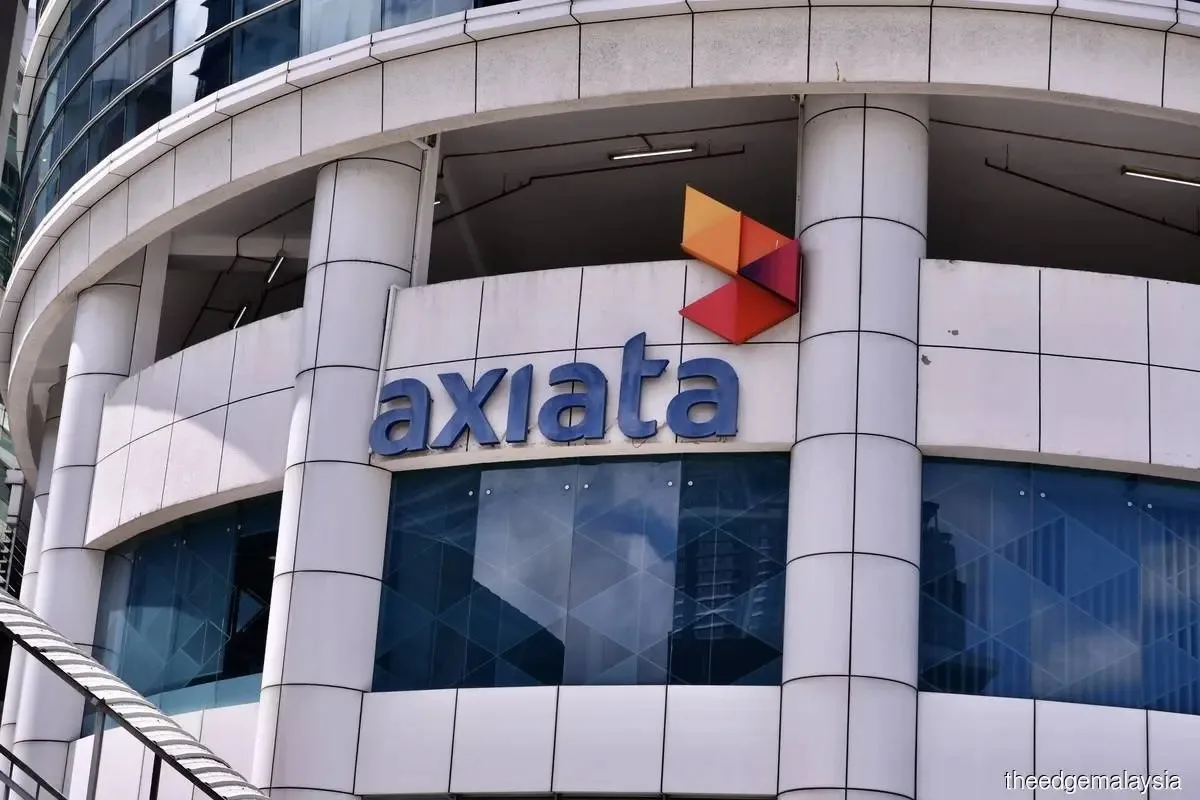
Axiata Group Bhd reported a 71% year-on-year surge in net profit to RM273.8 million in the first quarter of fiscal year 2026, despite revenue dropping 3.2% to RM2.8 billion due primarily to foreign currency depreciation [1, 2]. The company attributed its strong earnings to lower depreciation and finance costs, which offset losses from Link Net and weaker contributions from its associate XLSmart [3, 4]. Axiata said, "The group remains on track to deliver on profitability and valuation growth" [1].
Following the results, research firms Kenanga and MBSB Investment Bank upgraded Axiata’s FY2026 earnings forecasts by about 69% but trimmed their target prices to RM2.05 and RM2.07 respectively, citing the company’s exclusion from the MSCI Malaysia Index and slower merger and acquisition progress [3, 4]. Kenanga noted, "The outperformance relative to our forecasts was primarily driven by lower-than-expected depreciation and finance costs" [3].
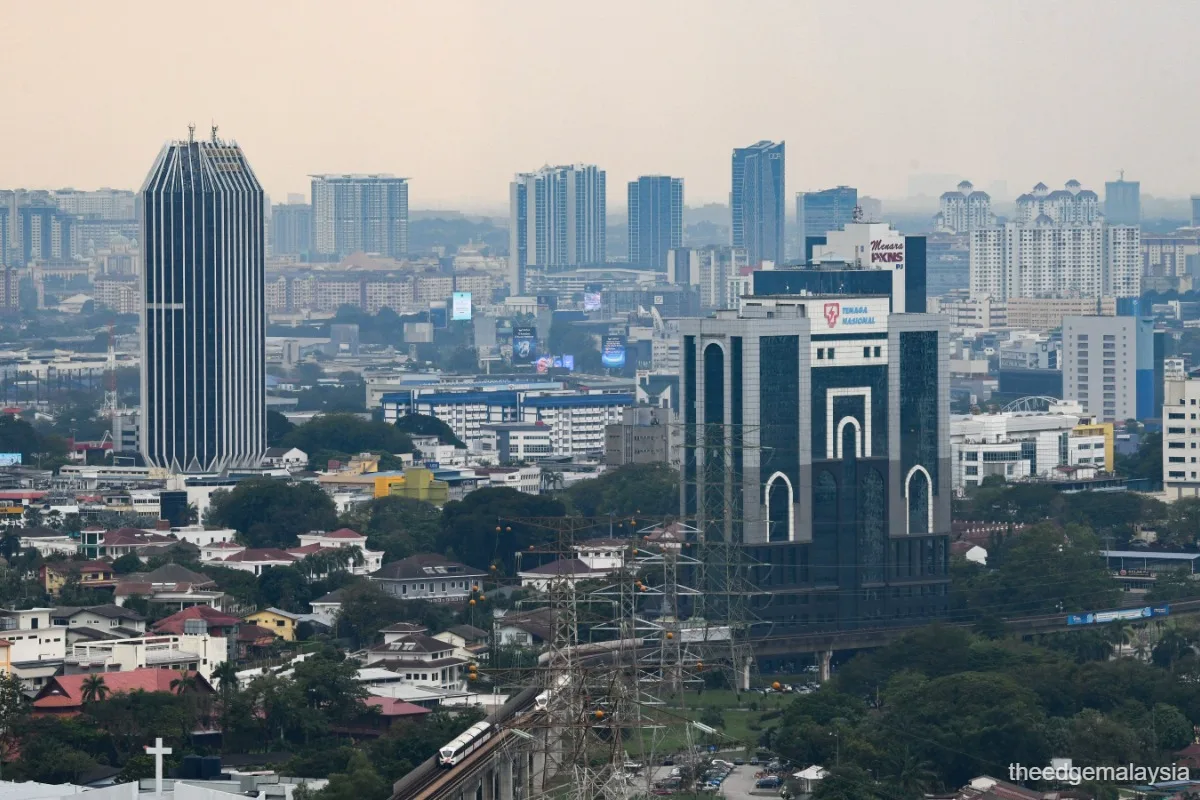
Meanwhile, Tenaga Nasional Bhd posted a 3.7% rise in net profit to RM1.09 billion in Q1 FY2026, supported by a 6.6% revenue increase to RM17.10 billion driven by stronger power demand and lower fuel costs [5, 6, 7]. Electricity sales grew 5.5%, underpinned by a 7% rise in overall power demand in Peninsular Malaysia, especially from the commercial sector [5, 6]. Tenaga’s imbalance cost pass-through (ICPT) mechanism generated an over-recovery position of RM861.7 million, up significantly from RM175.2 million in the same period last year due mainly to lower fuel prices [5, 6].
Tenaga invested about RM1 billion in grid modernization during the quarter and signed Phase 2 of an Energy Wheeling Agreement with Laos and Thailand in January 2026 [7]. CEO Datuk Seri Sanusi Ahmad emphasized balanced priorities: "Our focus is not only to achieve stable performance but also to ensure the value created can be reinvested to enhance energy security, improve supply reliability, and support the wellbeing of Malaysians" [7].
Neither Axiata nor Tenaga declared dividends for Q1 FY2026 [1, 2, 5, 6]. Both companies ended the reporting period on March 31, 2026, and announced results publicly on May 25, 2026 [1, 5, 7]. Kenanga’s target price revisions followed on May 26, and Axiata’s official MSCI exclusion was confirmed on May 29, 2026 [3, 4]. The companies will continue to monitor market conditions and operational developments in the next quarter.