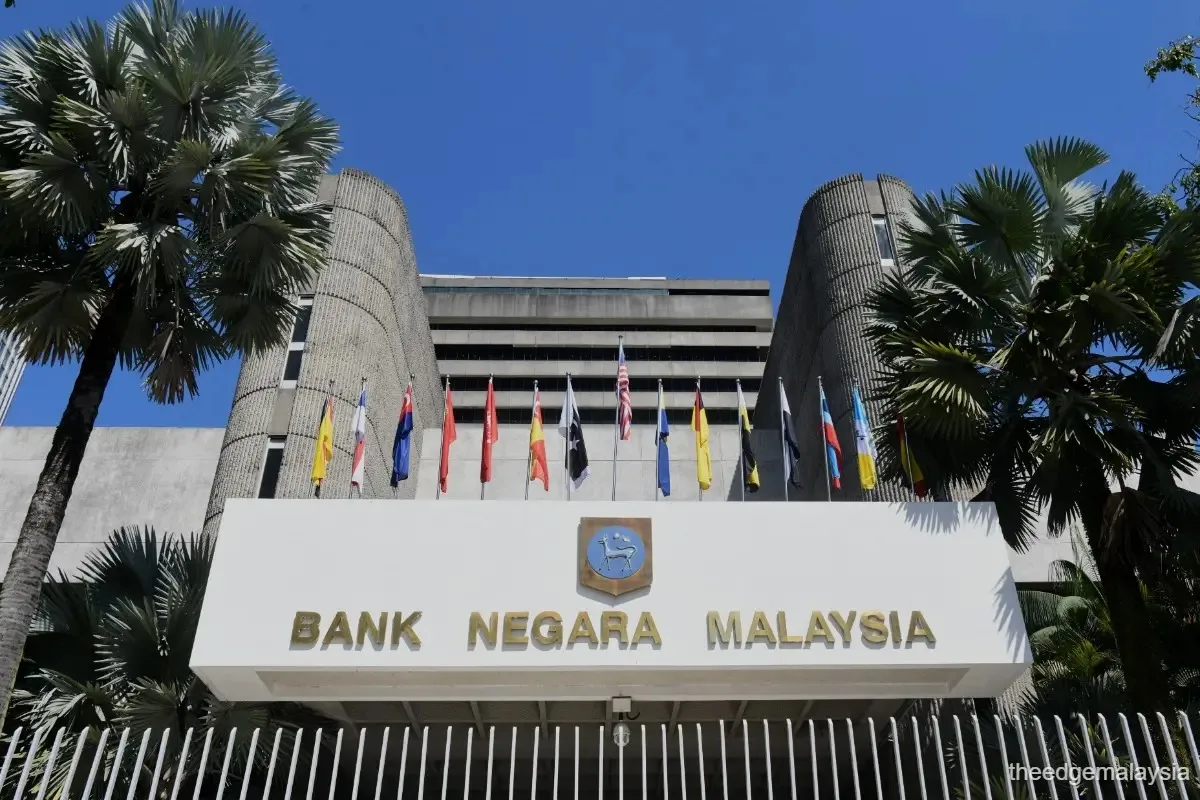
Bank Negara Malaysia issued five warning letters between August 2014 and September 2016 to the chairman of Tabung Haji and the Minister of Religious Affairs about the widening asset-liability gap and financial risks within the institution [1, 2, 3, 4, 5]. Dr Zulkifli Hasan, Minister in the Prime Minister’s Department (Religious Affairs), said, "At the time, TH’s position posed a potential systemic risk to the country’s financial stability. Unfortunately, those letters were ignored by TH’s leadership" [1]. He added, "They were warned not once, not twice, not three times, but five times that the situation needed to be rectified immediately to ensure Tabung Haji did not breach the law" [2].
Despite these warnings, Tabung Haji's leadership did not take appropriate action. The asset-liability deficit widened to about RM10 billion by the end of 2018, prompting a government bailout to prevent a larger financial crisis [2, 5]. The bailout was necessary to avoid potential liabilities estimated at RM74.5 billion, reflecting the scale of risk involved [2, 6]. The institution managed deposits for approximately 9.7 million depositors with nearly RM100 billion in assets overall [6].
The 2017 Auditor-General’s Financial Statements Report issued an Emphasis of Matter highlighting that Tabung Haji’s impairment policy was changed twice that year to report higher profits, raising questions over financial management [1, 2, 3, 4]. Following these findings, the new Tabung Haji board appointed PricewaterhouseCoopers (PwC) in 2018 to reassess the institution’s financial position and performance. PwC confirmed evidence of financial manipulation and undervaluation of assets [1, 3, 4]. Only RM556 million of RM4.6 billion total assets were valued by professional valuers according to PwC’s report [1, 3, 4].
The Royal Commission of Inquiry (RCI), announced by the government in 2021 and formed in January 2022, investigated Tabung Haji’s affairs from 2014 to 2020. The 211-page report was made public on July 29, 2026, and found significant weaknesses in management and operations [1, 3, 6, 4]. The RCI issued 25 recommendations for improvements, with about 75% already implemented by July 30, 2026 [1, 3, 7, 4].
Tabung Haji also distributed hibah (dividends) and profits despite having negative reserves from 2014 onwards, breaching legal safeguards [2, 6, 5]. Dr Zulkifli Hasan noted that had the warnings been addressed promptly, the financial problems could likely have been contained earlier, avoiding the bailout and greater risks to financial stability [5].
On August 11, 2026, Minister Zulkifli Hasan briefed the Dewan Rakyat on the RCI findings and government actions. The government is now considering releasing the five Bank Negara warning letters and other related documents to the public and Parliament after referral to the Prime Minister and Cabinet [1, 7, 4].