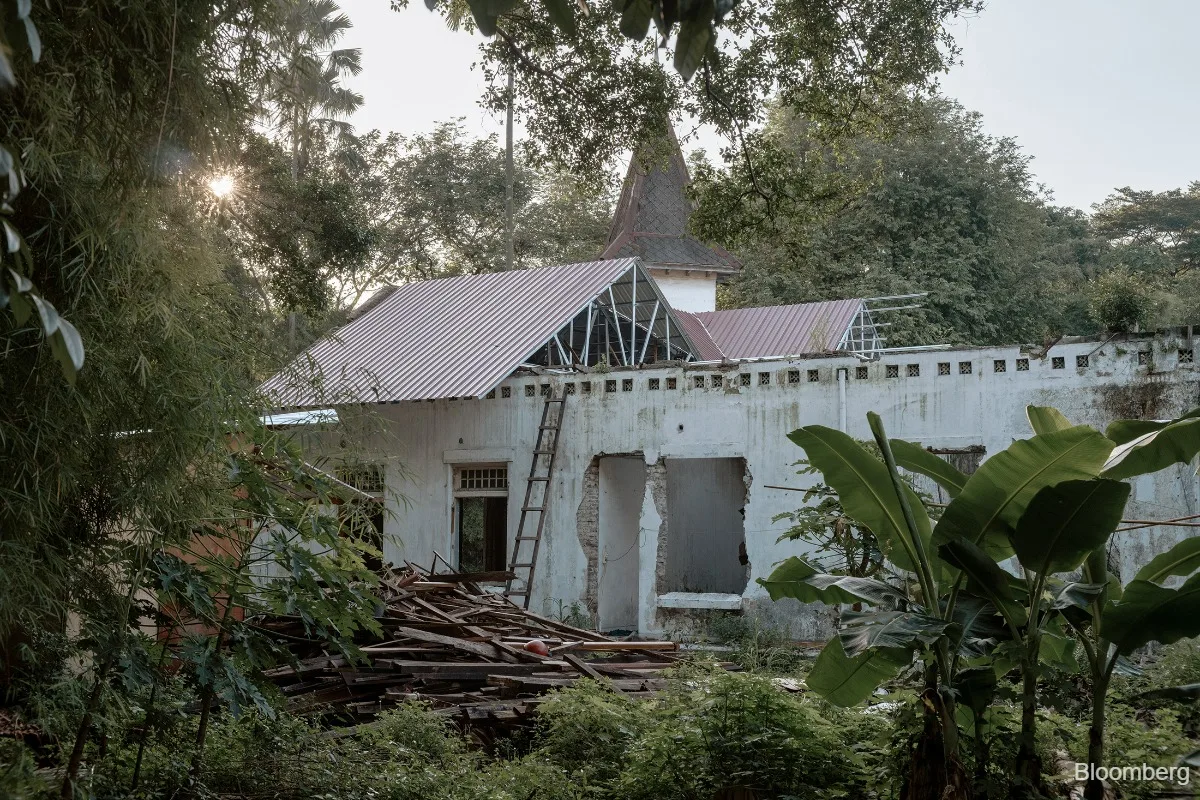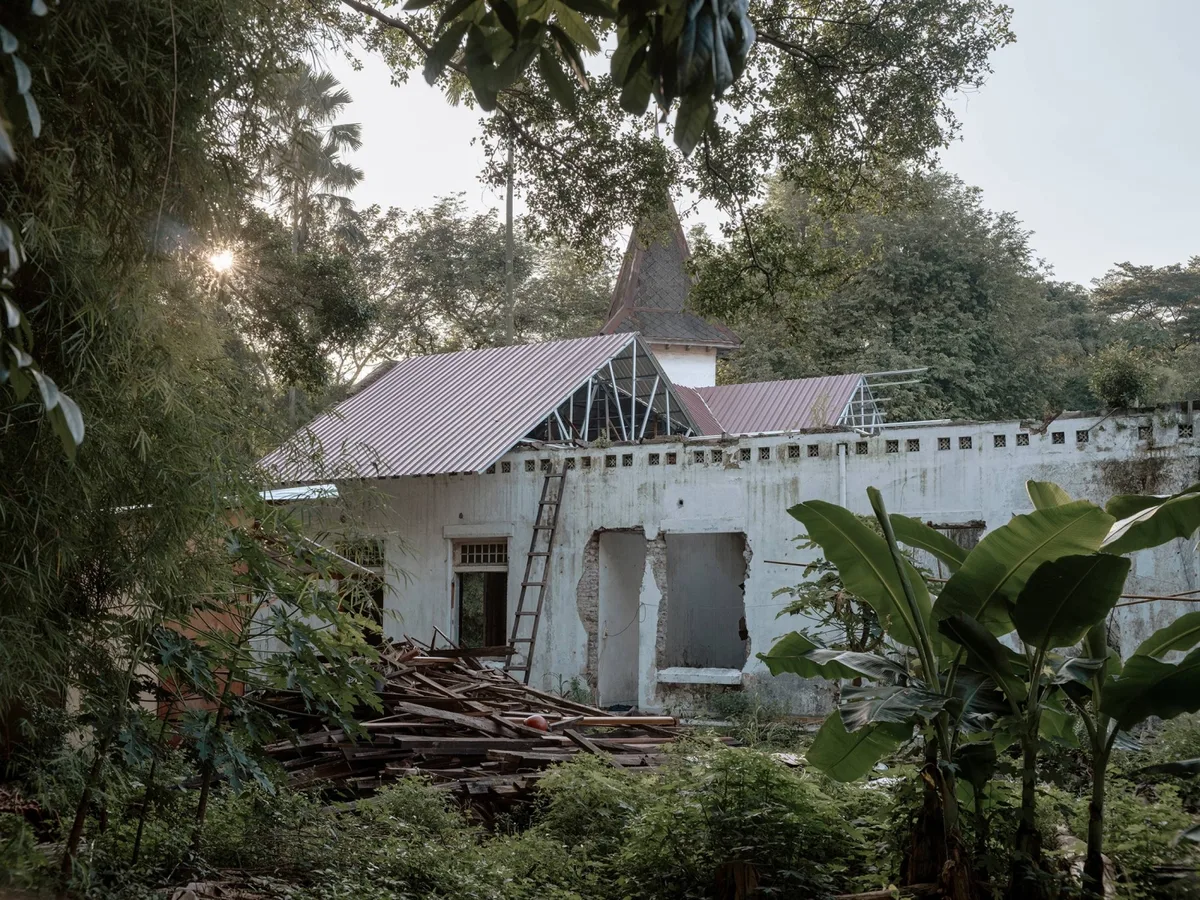
A mansion built in 1912 on Teuku Umar street in Menteng, central Jakarta, remains empty and rotting after more than a decade, despite being valued at US$16 million (RM64.95 million) [1, 2].
The Dutch constructed the property as part of a garden city project away from local villages in what is now one of Jakarta's most central sub-districts [1, 2]. Over the past century, the mansion has witnessed key historical events, including the Japanese occupation, Indonesia's independence, Suharto's dictatorship, and the recent rise of politician Prabowo Subianto [1, 2].
The house was briefly put up for sale last year but withdrawn, with unresolved conflicting ownership claims between a private company and Indonesia's armed forces blocking clearer transfer or redevelopment [1].
Experts cite Indonesia's incomplete land registry combined with overlapping civil, Islamic, and customary laws as key causes of the tangled property ownership [1]. The legal system struggles with consistency, enforcement, and slow processing times, resulting in prolonged land dispute resolution [1].
These factors deter local and foreign investors alike, impacting Indonesia's US$1.5 trillion economy by reducing confidence in property rights and real estate development [1].
As of today, the mansion stands deteriorating on No 2 Teuku Umar street, unresolved in the crossfire of legal claims and bureaucratic delays. Authorities have yet to announce further plans to resolve the case or restore the historic property [1].