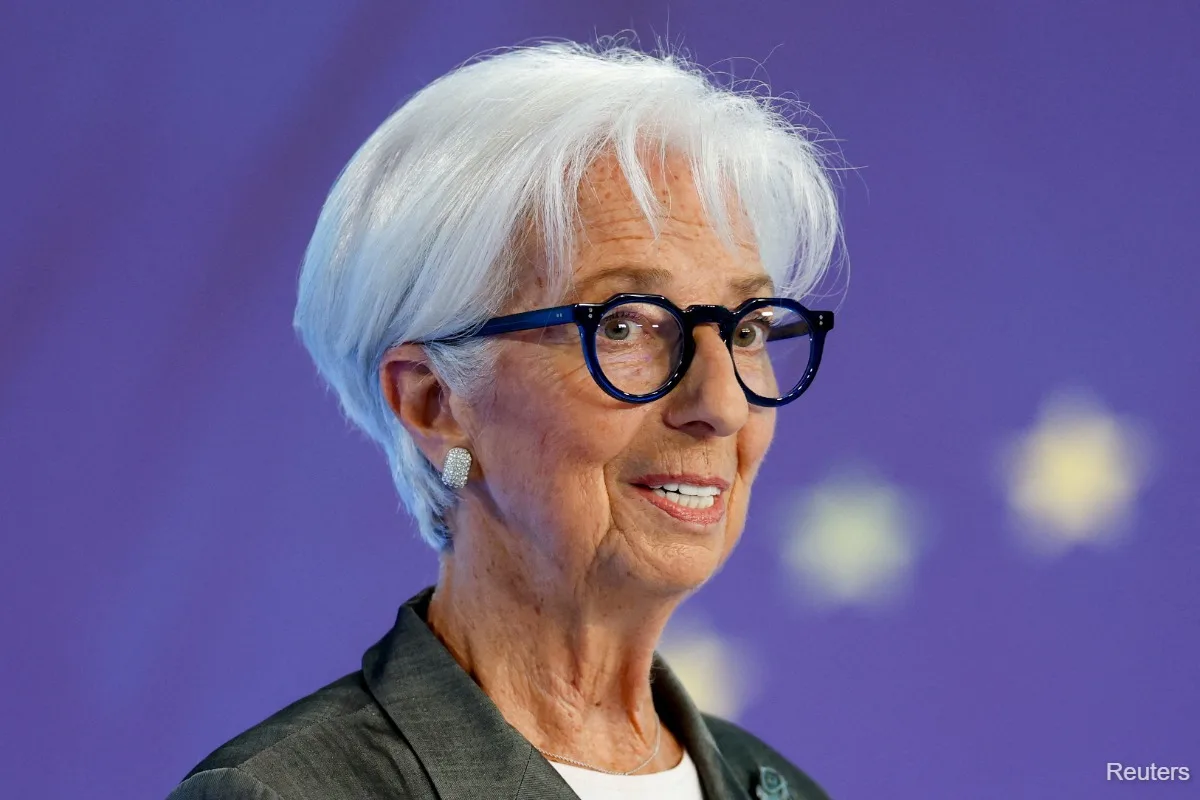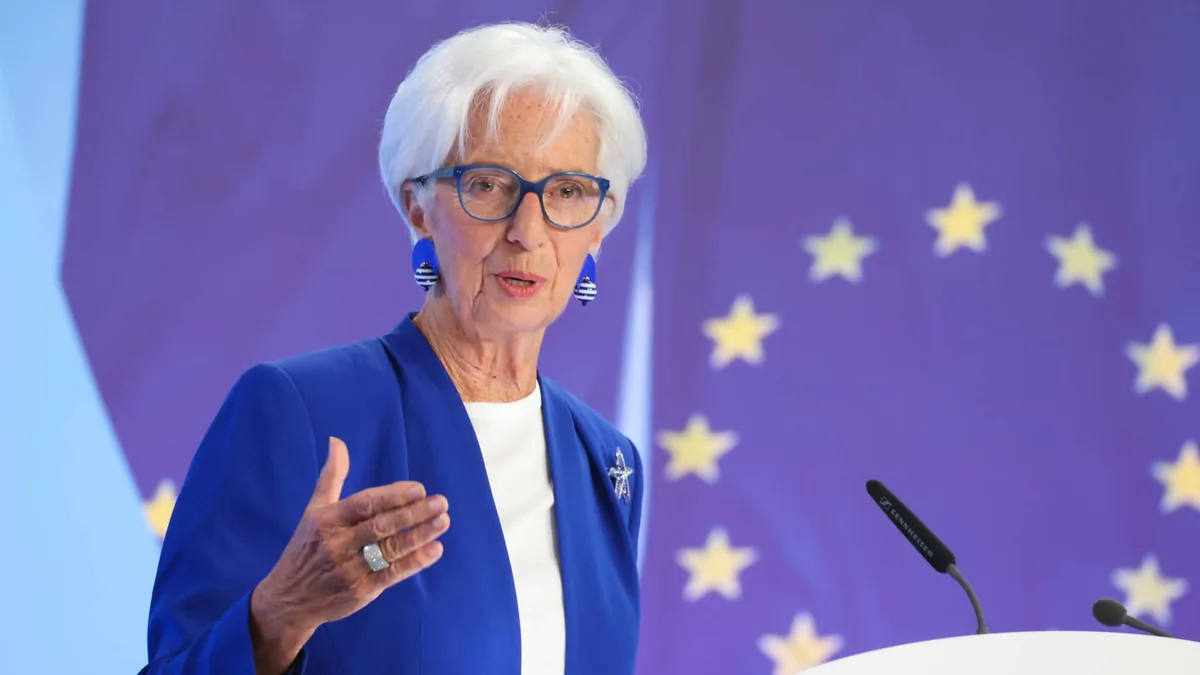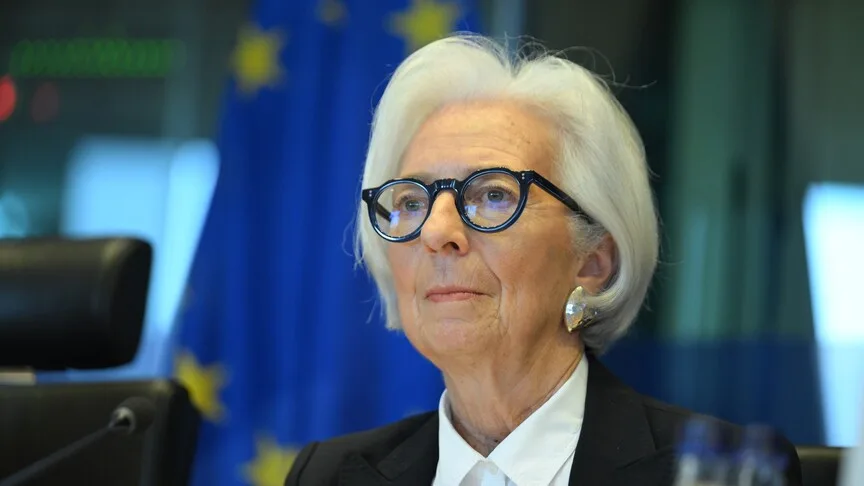
European Central Bank President Christine Lagarde warned at the World Economic Forum International Business Council in Geneva on August 19 that Europe risks missing the artificial intelligence revolution if it does not dismantle internal market barriers to scale AI technologies [1, 2]. Lagarde said, "We cannot afford to repeat that experience with artificial intelligence, the second digital revolution" [1].
She highlighted that Europe’s post-war economic growth model, based on expanding global trade, cheap energy, and a stable rules-based order supported by U.S. security, is eroding and unlikely to return to its previous form. "All three [pillars] are weakening as the international environment changes," Lagarde said [1]. "This economic growth rested on three pillars: expanding global trade, manufacturing supported by access to cheap energy, and a stable, rules-based global order, underpinned by a U.S. security umbrella" [3].
Lagarde pointed to rising geopolitical tensions, including decreased U.S. defense commitments and increased Russian military activity near Europe, which raise security threats and undermine Europe’s economic resilience [3]. She also flagged growing industrial competition from China, which threatens about 40% of key euro area sectors [2].
Europe faces fragmentation and funding challenges that hinder the growth and diffusion of new technologies. While EU scale-ups raise funding amounts similar to U.S. counterparts in the first five years, they typically raise around 50% less by their tenth year, leading 12% of EU scale-ups to relocate outside the bloc, mainly to the U.S. [2]. Lagarde called for more integrated European capital markets and proposed measures such as creating an "EU Inc." legal status to enable firms to grow domestically and accelerate technology adoption [2]. She said, "Turning European size into European scale would help innovative firms grow at home, allow new technologies to spread faster and boost productivity" [2].
European firms plan to allocate about 9% of their investments to AI in 2026 [2]. However, the U.S. and China lead the global AI race with their advanced large language models and expanding data centers, leaving Europe struggling to keep pace [1, 2]. The EU’s fragmentation and restrictive capital markets contribute to fewer European companies scaling globally compared to U.S. peers [1, 2].
Other challenges include global trade disruptions, with more than 2,500 trade restrictions implemented worldwide in 2025 [3, 2]. U.S. policies under former President Donald Trump, like tariffs on EU imports that initially hit 20% before dropping to 15%, strained transatlantic economic ties and weakened Europe’s growth pillars [1, 3]. Energy costs also burden Europe, with electricity prices for energy-intensive industries in 2025 averaging more than twice U.S. levels, partly due to loss of cheap Russian gas [2].
Lagarde’s speech emphasized the urgency for Europe to adapt its economic framework and integrate markets to seize AI opportunities amid these pressures. Her remarks mark a clear call for policy action to sustain Europe’s competitiveness in the AI era [1, 2].