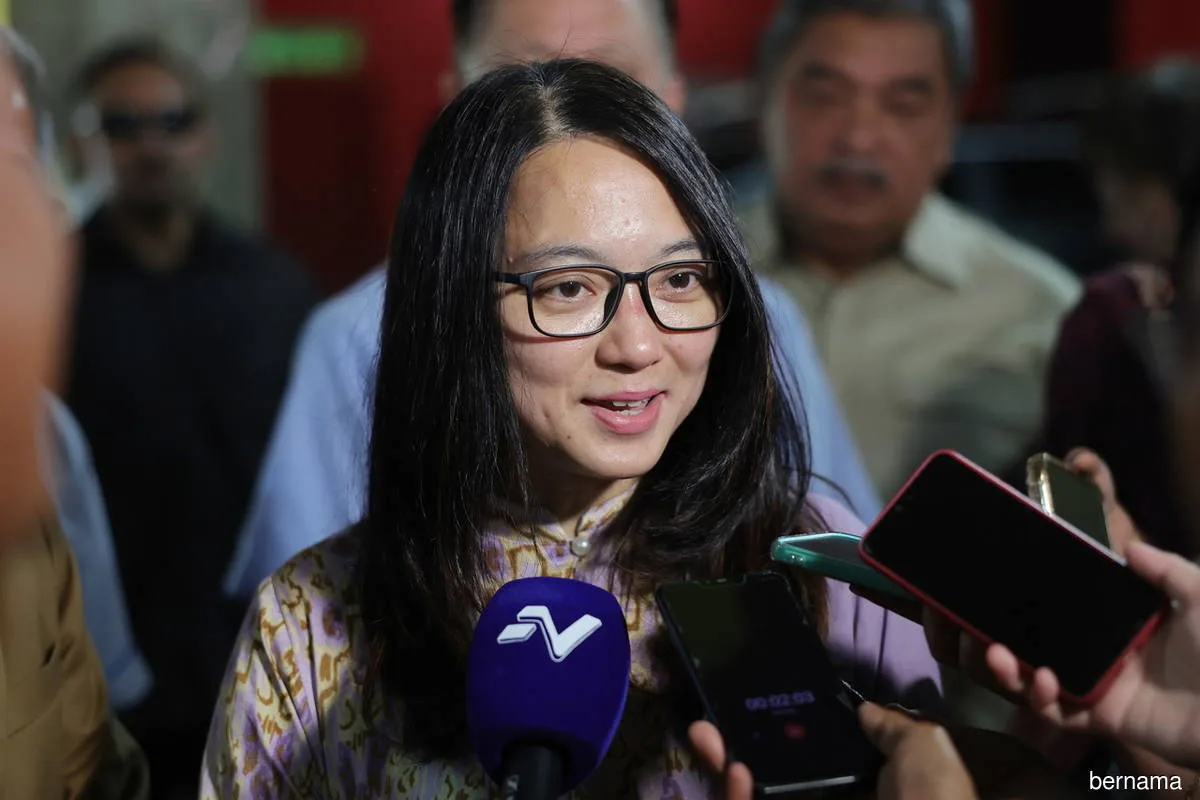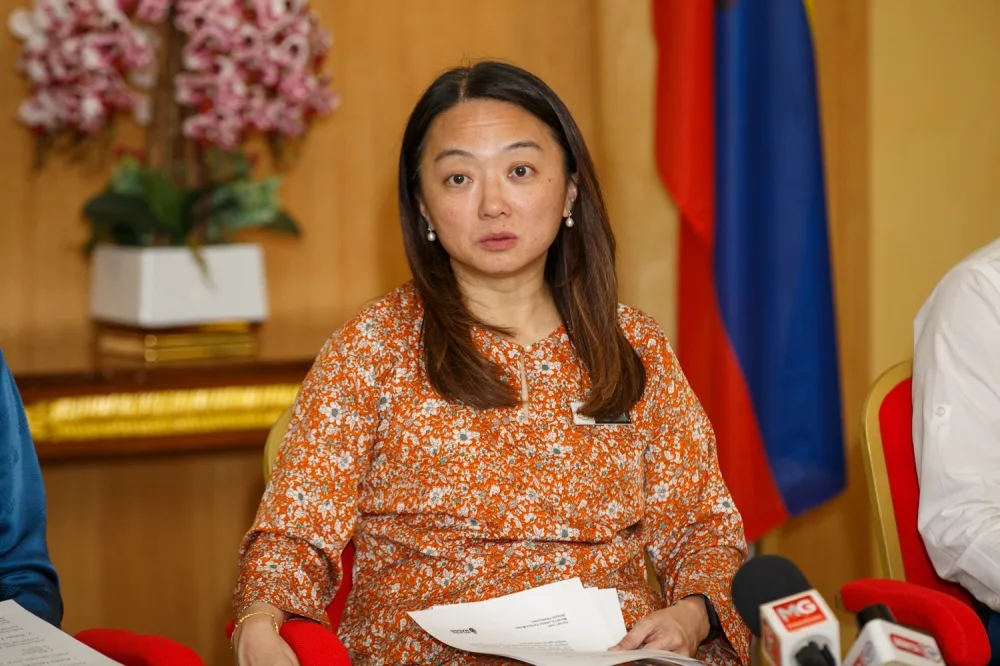
Federal Territories Minister Hannah Yeoh announced in June that she will no longer convene the Special One Stop Centre (OSC) at Kuala Lumpur City Hall (DBKL) and will propose its formal abolition to the Cabinet as part of governance reforms [1, 2].
The Special OSC had raised concerns about becoming a channel for intervention or perceived interference in development approval decisions, which the government aims to eliminate. Yeoh said, "The Madani government cannot defend any structure that leaves room for interference or the perception that a decision can be influenced by factors other than the law and valid planning policies" [1]. She added, "That is why we want to return to the clear principles of following the Local Plan, following the law and following a transparent process" [1].
The abolition intends to reduce bureaucratic layers, speed up approvals, and increase transparency in Kuala Lumpur’s urban planning system. Yeoh stressed, "Every development decision needs to be made by qualified officials rather than be subject to external influence" [2].
DBKL has introduced a new OSC portal to allow the public and stakeholders to monitor ongoing development applications [1, 2]. It also streamlined procedures so applications fully complying with the Kuala Lumpur Local Plan 2040 can be decided within as early as 21 days [1, 2]. For more complex applications, consultations under Rule 3 of the Federal Territories (Planning) Rules 2025 will apply [1].
Yeoh’s proposal to abolish the Special OSC reflects an effort to strengthen integrity and impartiality in urban planning decisions in the capital.
The Cabinet will consider Yeoh’s proposal to formally end the Special OSC role during her term, marking the next step in the reform process [1, 2].