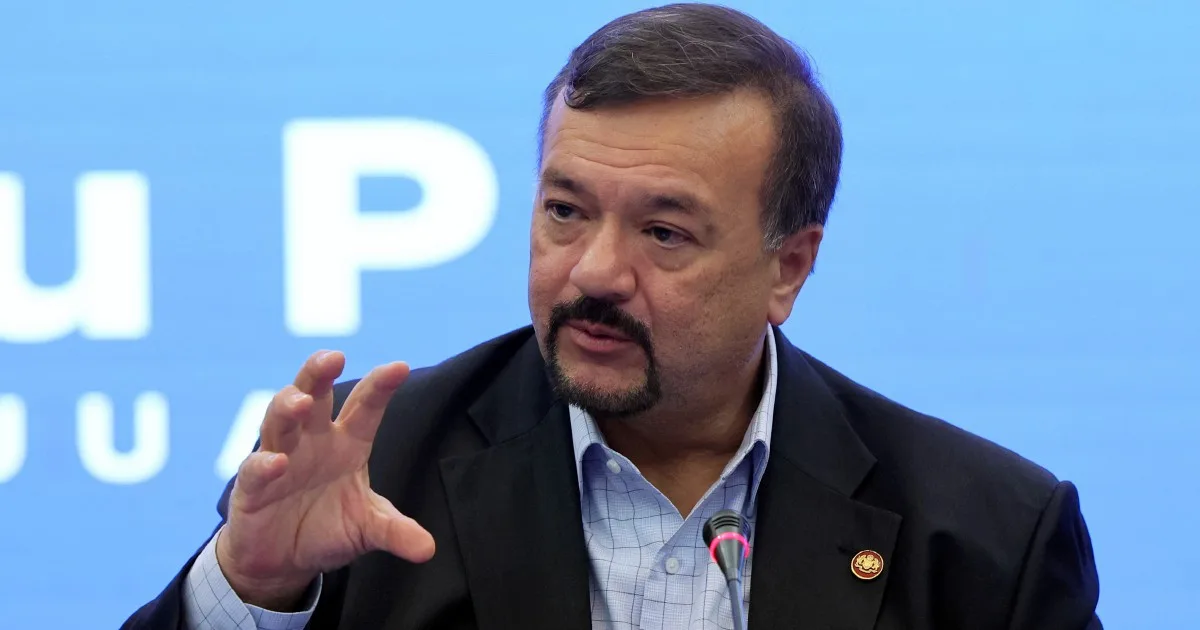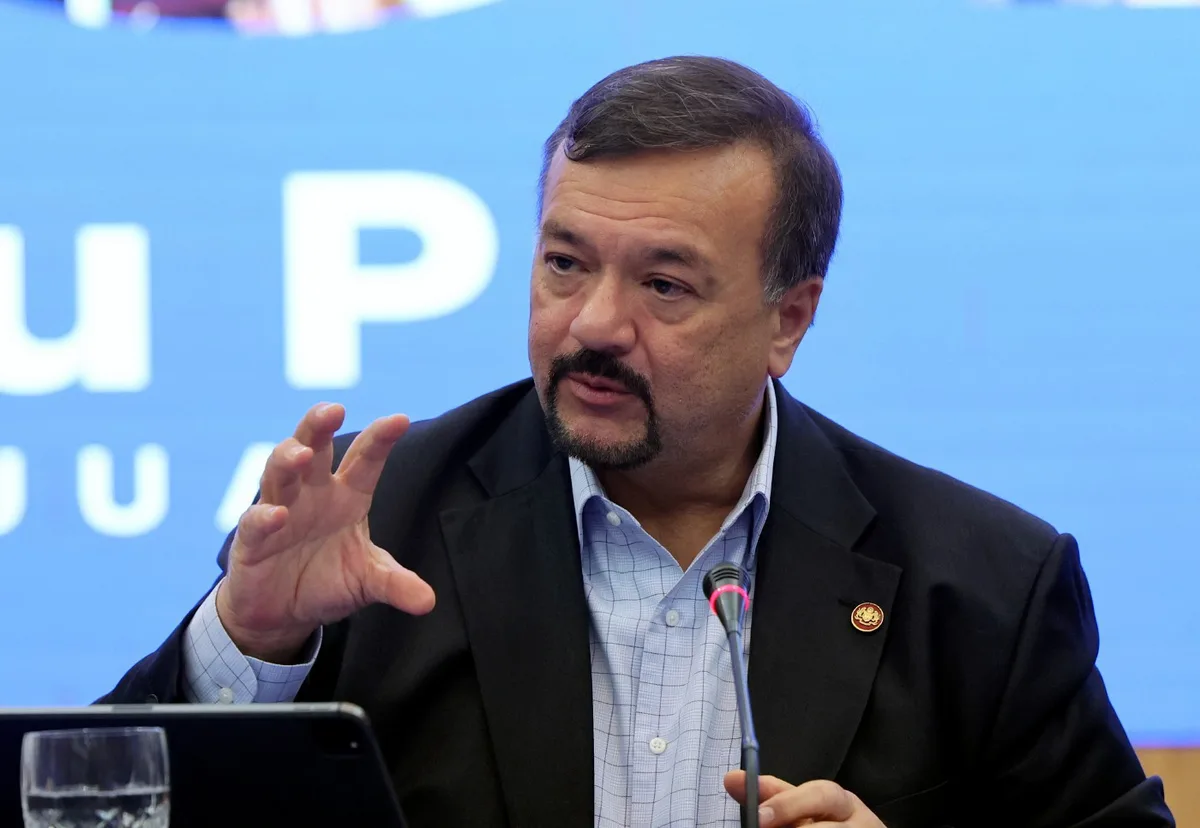
Malaysian Finance Minister II Datuk Seri Amir Hamzah Azizan denied that Tabung Haji’s investment losses were due to a stock market downturn, clarifying that the market remained strong with only a 6% decline in 2018 while Tabung Haji’s stock holdings dropped significantly more that year [1, 2, 3]. The Malaysian stock market hit its highest levels in 2018 before a modest 6% fall, but Tabung Haji’s portfolio fared worse, leading to a RM2.6 billion write-down on remaining stock holdings after 2018 [1, 2, 3].
Despite these losses, Tabung Haji continued to pay hibah dividends, increasing payouts annually. Amir Hamzah attributed this to stronger controls following changes in Tabung Haji’s management and board of directors, which improved governance and oversight [1, 2, 3]. The Royal Commission of Inquiry recommended that hibah declarations be based on audited financial statements rather than pro forma figures as in the past, further reinforcing financial discipline [1, 2, 3].
“This is an example of what has been achieved through the changes made at Tabung Haji,” Amir Hamzah said [1]. He added, “Therefore, any concerns over issues that occurred previously have been addressed through the improvements implemented now,” emphasizing the fund’s ongoing reform [2].
The Finance Minister made his remarks around August 10, responding publicly to speculation about the causes of Tabung Haji’s investment performance [2]. Tabung Haji is expected to continue adhering to the Royal Commission’s recommendations to ensure transparent and audited financial results before declaring dividends.
The fund’s governance overhaul and new financial policies mark a concrete step in addressing past concerns while stabilizing returns for depositors.