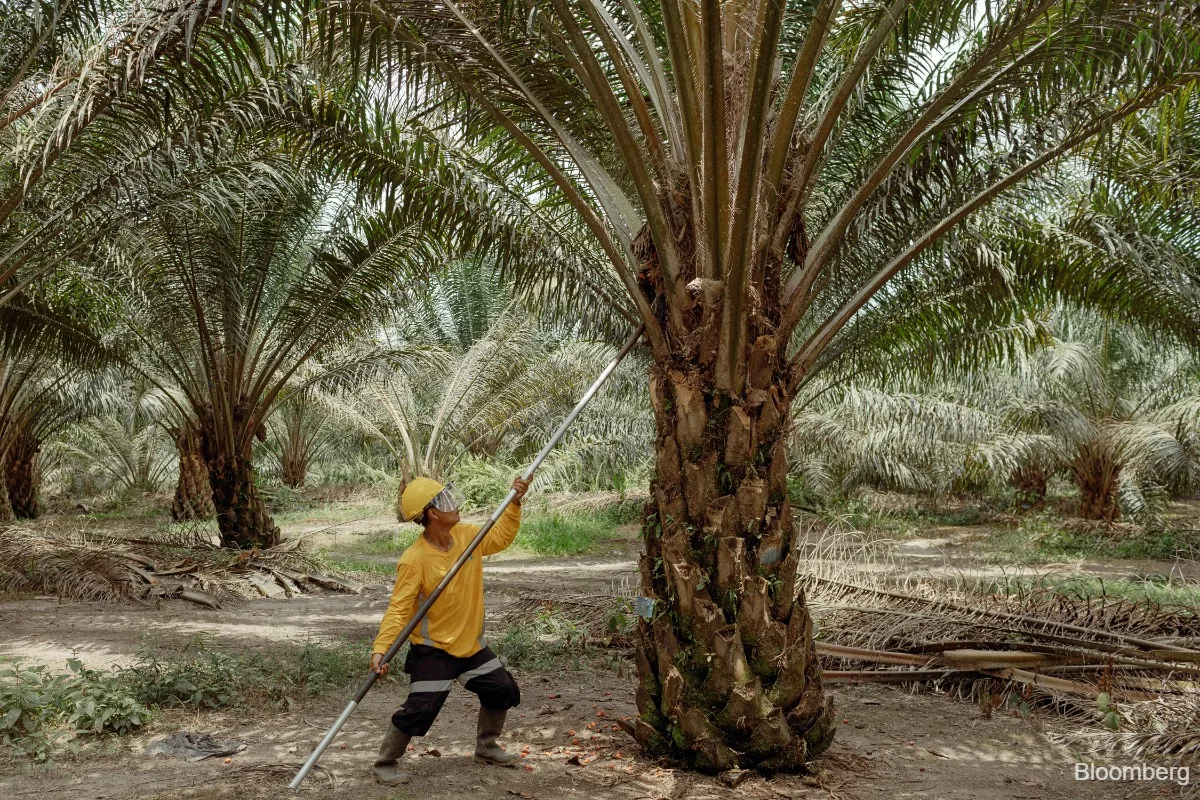
Indonesia’s agriculture minister Amran Sulaiman asked police to investigate between 270 and 300 palm oil companies that failed to increase prices paid to farmers as palm oil prices recovered following a new export policy announced in May 2026 [1, 2]. The ministry submitted reports on the firms to police, including special crime units, after a Monday meeting with local officials, industry associations, and farmers groups [1, 2].
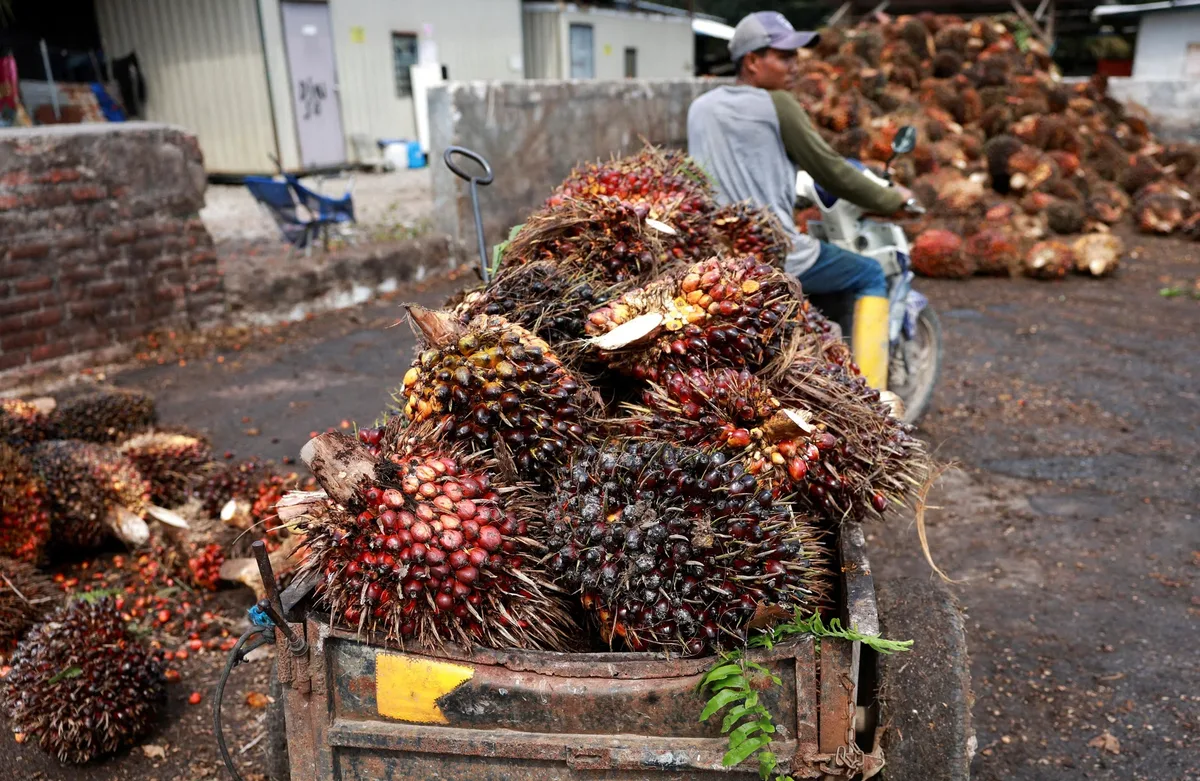
Most of the country’s roughly 1,900 palm oil companies have raised prices to farmers, but some refused despite market recovery [1, 2]. Prior to the May 20 export policy announcement, prices for fresh fruit bunches stood at about 3,800 rupiah per kilogram but dropped as low as 1,500 rupiah afterward. Prices recovered to 3,400 rupiah by the Friday before the report date [1, 2]. Benchmark palm oil futures in Kuala Lumpur fell after the policy but climbed back, reaching RM4,599 per ton on the Monday before the reports after a two-day drop [1, 2].
Methods for calculating prices paid to farmers and export prices under the new export rules have not been explained [1, 2]. Rising fuel costs are putting additional pressure on roughly 15 million palm oil farmers across Indonesia, threatening their incomes [1, 2]. Minister Sulaiman said, “There are around 15 million farmers, and we cannot allow them to suffer losses” [1]. He added, “The weakening rupiah should be beneficial for exports and farmers” as exports potentially earn more in local currency terms [1].
The police investigation follows the ministry’s effort to ensure farmers receive a fair share of improved palm oil market prices after government export policy adjustments. Authorities and industry groups continue to monitor pricing dynamics amid ongoing cost pressures on farmers.