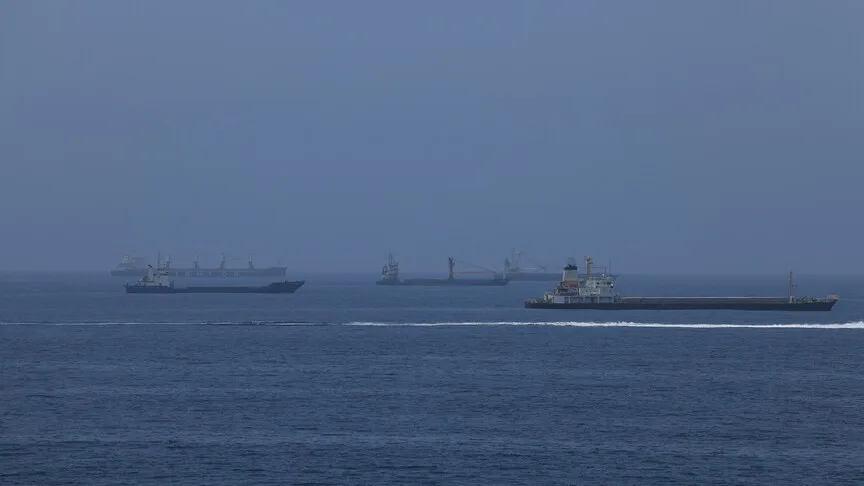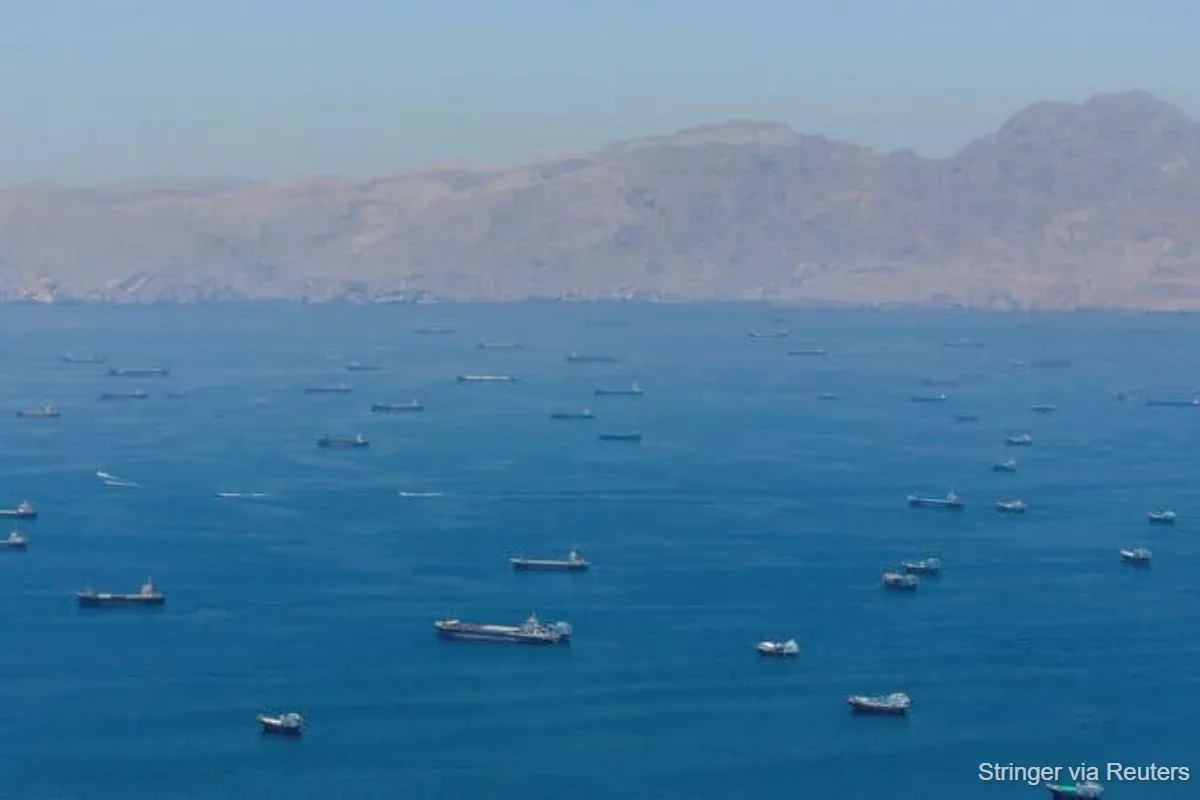
Iran and Qatar resumed maritime trade on July 5, 2026, ending an approximately five-month suspension that began earlier this year amid regional conflict [1, 2, 3]. Shipping between Iran’s Dayyer port and Qatar’s Al Ruwais port restarted following coordination between the Iranian embassy in Doha and Qatari authorities, Abbas Abdolkhani said [1, 2].
The trade stoppage occurred during a four-month conflict beginning in February 2026. The crisis saw US and Israeli strikes on Iran, which retaliated with attacks on Israel and regional US allies, including Qatar [2]. The conflict ended with a ceasefire brokered by Pakistan on April 8, 2026 [2].
In June 2026, Tehran and Washington signed an interim agreement declaring the end of hostilities and mandating the restoration of pre-war maritime traffic in the Gulf [1, 3]. This paved the way for resuming civilian shipping between Iran and Gulf neighbors.
Iran’s Dayyer port, along with Qatar’s Al Ruwais port, primarily serves regional maritime trade but was targeted multiple times during the conflict [1, 3]. Despite the ceasefire and trade resumption, transit in and out of the Gulf remains contested [1, 3].
Trade between Iran and the United Arab Emirates has also shown signs of revival. By late June 2026, Iranian goods were cleared at Dubai’s Jebel Ali port, marking gradual restoration of economic ties with the UAE [1].
Officials are closely monitoring the reopening of maritime routes as part of efforts to stabilize trade flows in the Gulf region. The successful coordination between Iranian and Qatari authorities signals cautious optimism for further normalization of Gulf commerce following months of conflict.
Authorities have indicated that trade volumes and transit conditions will be reviewed in the coming months to ensure safer navigation in the Gulf. Developments related to transit rights and security arrangements are expected to be addressed as part of ongoing diplomatic efforts.